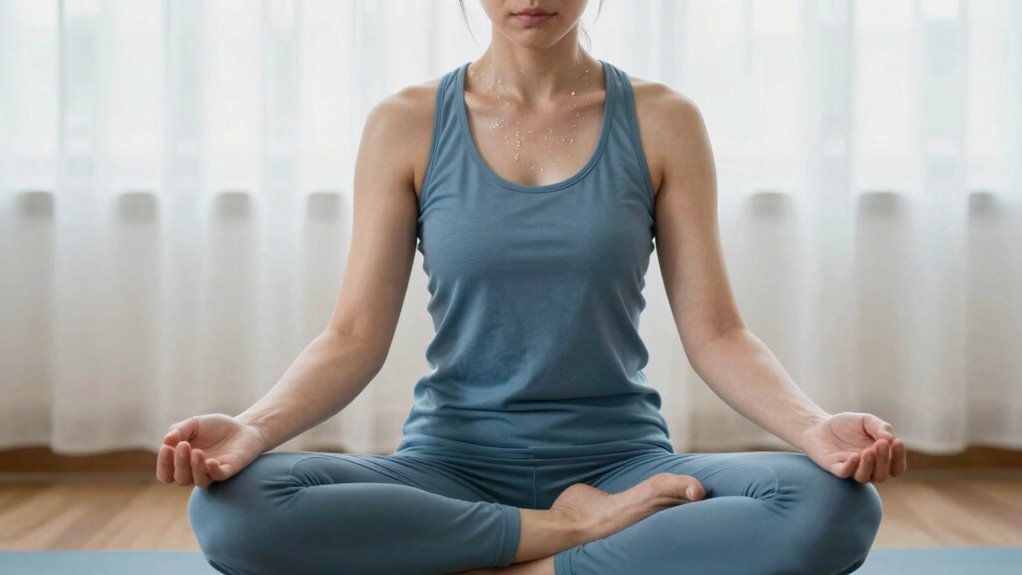

When you start relaxation techniques, you may notice tension more clearly because your body and mind become aware of sensations that were previously hidden or ignored. Initially, this heightened awareness can make physical discomfort or tightness seem worse. This is normal, as it’s part of your body waking up to what’s really there. Keep practicing—over time, this increased awareness will help you notice progress and achieve deeper relaxation, so there’s more to discover about how your body responds.

Get comfort and recovery gear delivered free — and shop member deals
- Fast, free delivery on millions of items
- Access to Prime Big Deal Days deals on October 6–7
- Prime Video, Amazon Music and more included
Key Takeaways
- Relaxation techniques increase awareness of physical sensations, making existing tension more noticeable initially.
- Focusing inward highlights areas of tightness that were previously ignored or unconscious.
- The body’s response to new awareness can temporarily heighten discomfort before calming down.
- Improved sensitivity through practice reveals underlying tension that was previously masked.
- Initial discomfort signifies the body waking up to sensations, leading to eventual relaxation over time.
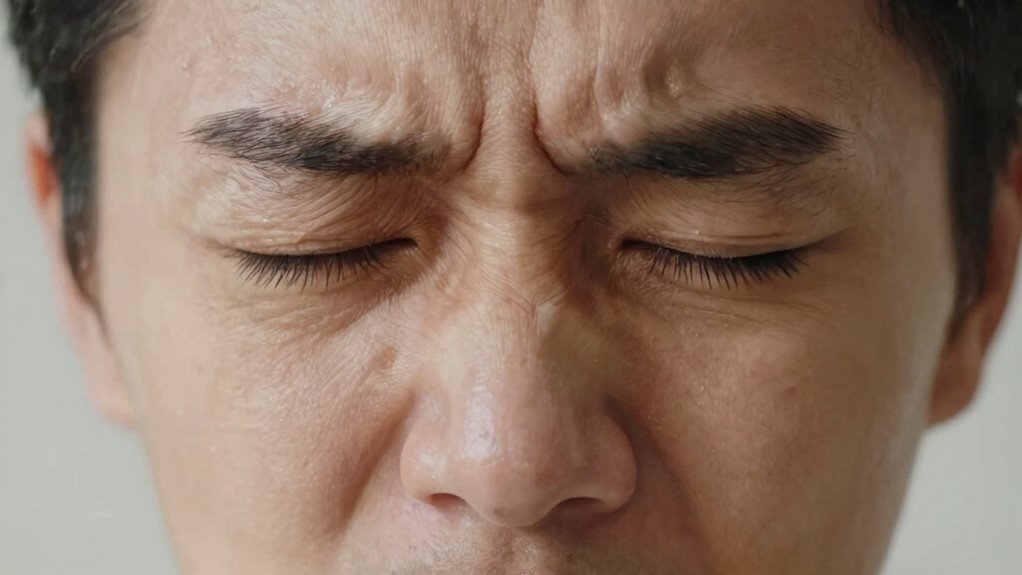
Have you ever wondered how simple relaxation techniques can help ease tension and improve your overall well-being? It’s common to expect immediate relief, but sometimes, you might notice that certain methods make tension feel more obvious at first. This happens because your body and mind are adjusting to new ways of processing stress, and the initial response can be surprising.
When you start practicing mindful breathing, for example, you may initially become more aware of your body’s tension. Instead of feeling relaxed right away, you might notice areas of tightness or discomfort you hadn’t paid attention to before. That’s because mindful breathing encourages you to focus on your breath and physical sensations, which can bring underlying tension to the surface. Rather than blocking these sensations, you’re learning to observe them without judgment, which can temporarily make tension seem more intense. Increased awareness is a normal part of this process, helping you recognize areas for potential relaxation.
Similarly, when you try progressive muscle relaxation, you might feel your muscles tightening or twitching more than usual. This technique involves tensing and then relaxing different muscle groups, and at first, you may feel more aware of areas where your muscles are tight or sore. Instead of feeling like you’re making progress, you might think the tension has worsened. But this heightened awareness is a normal part of the process. Your muscles are simply revealing what’s already there, and as you continue, they begin to loosen, and tension decreases.
Feeling muscles tighten or twitch initially is normal—awareness reveals what’s already there, leading to eventual relaxation.
The reason these techniques seem to make tension more obvious initially is because your body is becoming more conscious of sensations that were previously masked or ignored. It’s like turning on a light in a dark room—you become aware of things you hadn’t noticed before. This isn’t a sign that the techniques aren’t working; rather, it’s a sign that your body is waking up to what needs attention. Over time, with consistent practice, these sensations fade into a sense of calm, and tension diminishes.
Additionally, understanding that initial discomfort is a normal part of learning relaxation can help you stay patient and committed. Recognizing that body awareness plays a crucial role in stress relief can make it easier to accept the temporary increase in tension. Developing a mind-body connection can further enhance your ability to manage stress effectively. Patience is key. As you persist with mindful breathing and progressive muscle techniques, you’ll likely find that your awareness transforms from discomfort to relaxation. The initial increase in tension isn’t a setback but a normal part of becoming more attuned to your body’s needs. With continued effort, these techniques can help you manage stress more effectively, leading to longer-lasting feelings of calm and well-being.
mindful breathing relaxation tools
As an affiliate, we earn on qualifying purchases.
As an affiliate, we earn on qualifying purchases.
Frequently Asked Questions
Can Relaxation Techniques Cause Increased Anxiety Initially?
Yes, relaxation techniques can cause initial anxiety due to the relaxation paradox. When you start practicing, you might become more aware of underlying tension or emotions, leading to heightened initial anxiety. This is normal, as your mind and body are adjusting to new sensations. With persistence, these techniques often help reduce overall anxiety, but understanding the initial discomfort can make it easier to stay committed and eventually experience the calming benefits.
How Long Does It Take for Relaxation to Reduce Tension?
Most people notice tension relief within 10 to 20 minutes of practicing relaxation techniques. You might find that muscle release and slow, deep breathing patterns help your body unwind faster. Remarkably, a study shows consistent practice accelerates this process, reducing tension more effectively over time. Keep practicing regularly, and you’ll likely experience significant tension reduction in about 15 minutes, with continued benefits as your relaxation skills improve.
Are There Specific Techniques Better for Certain Types of Tension?
Yes, certain techniques work better for specific tension types. If you face muscular tension, try progressive muscle relaxation to target tight areas. For stress-related tension, breathing exercises help calm your mind and body. Often, combining both methods is most effective. You might notice tension becoming more obvious initially, but with consistent practice, these techniques can substantially reduce your overall tension, helping you feel more relaxed and in control.
Why Do Some People Feel More Tense After Relaxing?
You might feel more tense after relaxing because your breathing patterns and muscle awareness suddenly become sharper, revealing hidden tension like a spotlight on a dark stage. When you slow down, your body notices every tiny knot and tight muscle, making you more aware of discomfort you previously ignored. This heightened awareness can temporarily increase tension, but with practice, it helps you identify and release it more effectively over time.
Is It Normal to Experience Discomfort When Starting Relaxation Practices?
Yes, it’s normal to feel discomfort when starting relaxation practices. You might experience mindfulness confusion or become more aware of muscle tension you previously ignored. This heightened muscle awareness can make tension seem worse initially. As you continue, these sensations often diminish, revealing the calming effects of relaxation. Remember, patience is key; your body needs time to adjust, and discomfort usually lessens with consistent practice.
progressive muscle relaxation kit
As an affiliate, we earn on qualifying purchases.
As an affiliate, we earn on qualifying purchases.
Conclusion
So, don’t be surprised if relaxation techniques turn your tension into a monster at first—they’re like a spotlight shining on every tiny worry you’ve been ignoring! It’s as if your muscles throw a wild party to protest the new calm. But stick with it, because soon, that tension will shrink faster than a snowflake in summer, revealing the peaceful, relaxed you underneath. Trust the process—you’re on the brink of transforming chaos into calm!
body tension relief massage tools
As an affiliate, we earn on qualifying purchases.
As an affiliate, we earn on qualifying purchases.
stress awareness meditation aids
As an affiliate, we earn on qualifying purchases.
As an affiliate, we earn on qualifying purchases.
Fall Picks
fall essentials
As an affiliate, we earn on qualifying purchases.