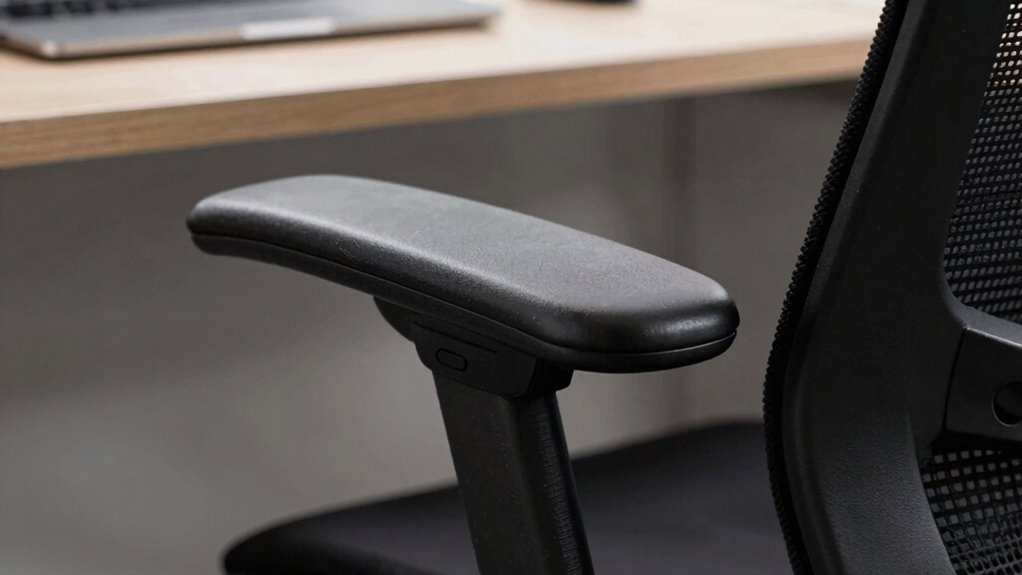

Leaning heavily on armrests during meetings tricks your shoulders into working harder than they should, leading to muscle tension and fatigue. When you rely too much on armrests, you shift the workload away from your back and core, causing your shoulders to lift or hunch inadvertently. Over time, this habit can create muscle imbalances and discomfort. If you want to understand how to avoid this trap and keep your shoulders relaxed, you’ll discover helpful tips to improve your posture.

Get comfort and recovery gear delivered free with Prime
- Fast, free delivery on millions of items
- Prime Video, Amazon Music and more included
- Member-only deals all year
Key Takeaways
- Over-reliance on armrests causes shoulder muscles to bear unnecessary load, leading to fatigue and tension.
- Leaning heavily on armrests shifts workload from the chair to shoulder muscles, increasing strain.
- Poor armrest positioning encourages hunching and uneven muscle use, stressing shoulder muscles.
- Habitual armrest support can create muscle imbalances, making shoulders work harder over time.
- Maintaining proper posture and minimizing armrest dependence reduces shoulder muscle overexertion.

Have you ever found yourself trapped by the seemingly harmless armrest during a conversation or meeting? It might seem like a small detail, but your armrest can subtly influence your posture and comfort. When you rest your arm on it, you often adopt an ergonomic posture that feels natural at first. However, over time, this position can lead to increased muscle tension in your shoulders and neck. Instead of relieving strain, the armrest can become the source of persistent discomfort if you’re not mindful of how you position yourself.
If you lean on the armrest excessively or awkwardly, your shoulders might lift or hunch, creating unnecessary muscle tension. This tension isn’t just uncomfortable—it can also contribute to long-term issues like shoulder fatigue or tension headaches. The key to avoiding this trap is being conscious of your posture. You want to keep your shoulders relaxed and your back straight, but leaning heavily on the armrest often encourages slouching or uneven weight distribution. When your body adapts to this position, it can strain muscles that aren’t built for prolonged tension, leading to fatigue and soreness. Additionally, muscle imbalance can develop over time if certain muscles are consistently overused to support poor posture.
The danger lies in how your muscles respond to this constant tension. Instead of distributing your weight evenly or maintaining a neutral ergonomic posture, you might unconsciously tighten your shoulder muscles to support your position. Over time, this muscle tension becomes habitual, making it harder to sit comfortably without feeling muscle fatigue. To prevent this, you should regularly check your posture and make small adjustments. Keep your feet flat on the ground, sit back fully in your chair, and allow your arms to rest naturally without over-relying on the armrest. If you notice your shoulders creeping up or your neck straining, shift your position.
Being aware of how you use your armrest helps maintain a healthier ergonomic posture. It’s easy to fall into the trap of resting your elbows heavily or leaning into the armrest, but doing so shifts the workload to your shoulder muscles, which aren’t designed for sustained effort. Instead, try to keep your shoulders relaxed and avoid leaning too much on the armrest. This way, your muscles won’t be forced into unnecessary tension, and your overall comfort will improve. Remember, small adjustments and mindfulness can make a big difference, preventing muscle tension and ensuring your posture supports your well-being rather than undermining it. Developing awareness of ergonomic posture can significantly enhance your comfort and prevent long-term strain.
ergonomic office chair with adjustable armrests
As an affiliate, we earn on qualifying purchases.
As an affiliate, we earn on qualifying purchases.
Frequently Asked Questions
How Can I Tell if I’M Experiencing the Armrest Trap?
You can tell if you’re experiencing the armrest trap by noticing lingering shoulder tension or fatigue, especially after long periods of sitting. Practicing posture awareness helps you identify if you’re leaning or shrugging your shoulders unnecessarily. Using ergonomic accessories, like adjustable armrests, allows you to position your arms comfortably, reducing strain. When your shoulders feel relaxed and your posture stays upright, you’re likely avoiding the armrest trap and promoting better shoulder health.
Are There Specific Chair Designs That Prevent Shoulder Strain?
Yes, ergonomic chair designs focus on supporting proper seating posture and reducing shoulder strain. Look for chairs with adjustable armrests that allow your shoulders to relax naturally, and lumbar support to promote spinal alignment. Chairs with a contoured seat and backrest help maintain an ergonomic posture, preventing you from hunching or overusing your shoulders. Investing in a well-designed ergonomic chair can substantially reduce shoulder discomfort during long sitting periods.
What Exercises Can Help Relieve Shoulder Tension Caused by Armrest Misuse?
To relieve shoulder tension caused by armrest misuse, focus on posture correction and stretching routines. Regularly stretch your shoulders and neck with shoulder rolls and arm cross stretches to loosen tight muscles. Practice maintaining proper posture by keeping your shoulders relaxed and down, avoiding hunching. Incorporate these exercises into your daily routine to reduce strain and promote better shoulder health, especially if you spend long hours seated at a desk.
Does Armrest Height Adjustment Reduce Shoulder Discomfort?
Adjusting your armrest height considerably improves armrest ergonomics and can reduce shoulder discomfort. When your armrests are at the right height, they support your shoulders and promote proper shoulder posture, preventing unnecessary strain. If they’re too high or low, your shoulders may hunch or tense, causing discomfort over time. Regularly fine-tuning your armrest height helps maintain a relaxed shoulder posture, which minimizes tension and enhances overall comfort during long periods of sitting.
Can Improper Desk Setup Contribute to the Armrest Trap?
Sure, an improper desk setup can definitely contribute to the armrest trap. Ironically, you might think ergonomic accessories like adjustable armrests will save your shoulders, but if they’re not positioned correctly, they push you into poor posture. Without posture awareness, your shoulders bear unnecessary strain, leading to discomfort. Ensuring your desk and accessories are properly adjusted, and staying mindful of your posture, helps prevent this trap and reduces shoulder stress.
shoulder support cushions for desk chairs
As an affiliate, we earn on qualifying purchases.
As an affiliate, we earn on qualifying purchases.
Conclusion
Once you realize the armrest trap, you see how it silently forces your shoulders into overwork, like an unwelcome weight pinning them down. Imagine your muscles, tense and strained, constantly fighting against this small but relentless pressure. It’s as if an invisible hand is pushing your shoulders upward, draining your energy and causing discomfort. Recognizing this trap lets you break free, easing your shoulders and reclaiming your comfort—giving your muscles the relief they deserve.
As an affiliate, we earn on qualifying purchases.
ergonomic armrest pads for office chairs
As an affiliate, we earn on qualifying purchases.
As an affiliate, we earn on qualifying purchases.
Halloween Picks
halloween
As an affiliate, we earn on qualifying purchases.