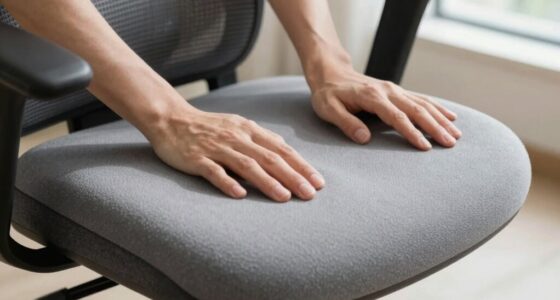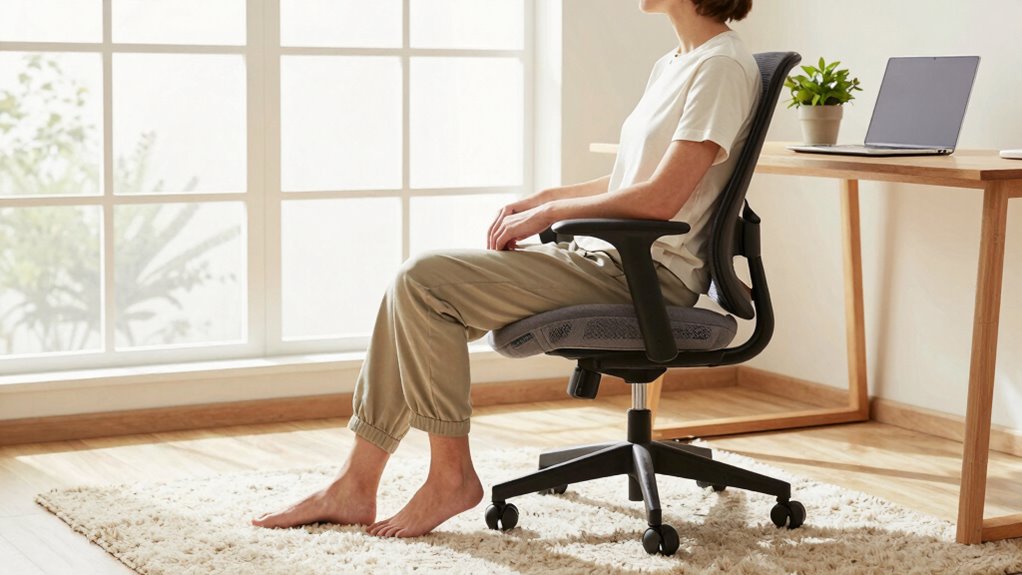

To build a better sitting pattern, focus on comfort and movement rather than chasing perfection. Use ergonomic tools like supportive chairs, sit-stand desks, and footrests to adapt your workspace. Shift positions every 30 to 60 minutes, incorporate small stretches, and take regular breaks to stand or walk. Stay mindful of your posture without obsessing over getting it perfect, and remember that flexibility and movement are key. Keep exploring ways to improve your sitting habits for long-term comfort.

Get comfort and recovery gear delivered free with Prime
- Fast, free delivery on millions of items
- Prime Video, Amazon Music and more included
- Member-only deals all year
Key Takeaways
- Prioritize comfort and health by incorporating ergonomic accessories and adjustable furniture into your workspace.
- Shift positions every 30 to 60 minutes to promote flexibility and reduce strain.
- Use timers or reminders to encourage regular movement, stretching, and breaks throughout the day.
- Develop mindful awareness of your posture, making small adjustments for shoulder relaxation and lower back support.
- Emphasize a routine focused on adaptability and overall well-being rather than striving for a perfect sitting posture.
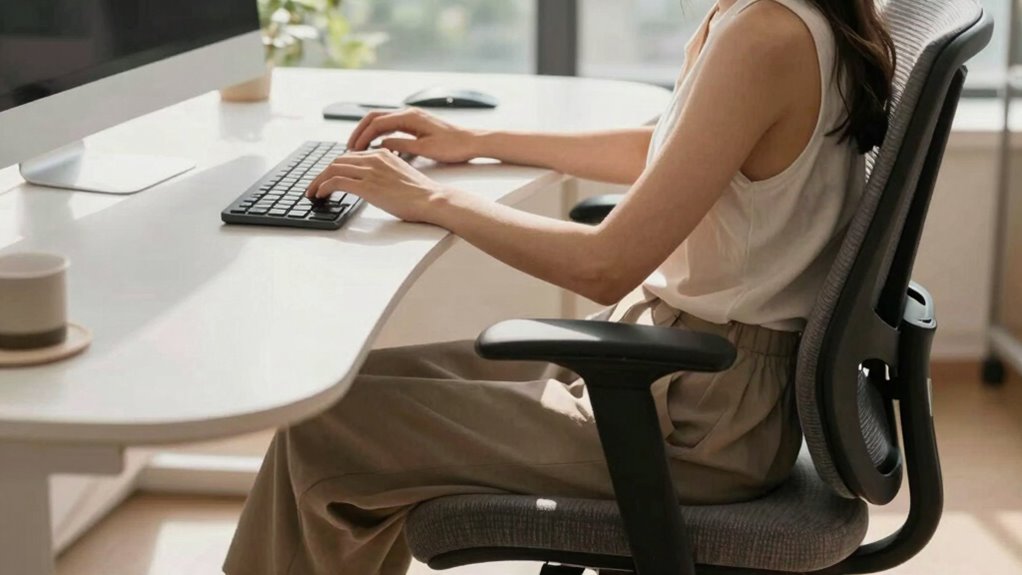
Sitting for long periods can take a toll on your body if you don’t adopt better habits. Instead of obsessing over finding the perfect sitting position, focus on building a sustainable pattern that promotes comfort and health. One way to do this is by incorporating ergonomic accessories into your workspace. An ergonomic chair, for example, offers support to your lower back, encouraging proper spinal alignment. A sit-stand desk can help you vary your posture throughout the day, reducing the strain caused by static sitting. Additionally, footrests and adjustable monitor stands can help you create an environment that adapts to your body’s needs, making it easier to maintain a comfortable position for longer periods.
While ergonomic accessories are essential, cultivating a mindful posture is equally important. Rather than chasing a flawless pose, pay attention to how you sit throughout the day. Check in with yourself regularly—are your shoulders relaxed? Is your lower back supported? Are your feet flat on the ground? Small adjustments, like rolling your shoulders back or repositioning your chair, can make a significant difference. Developing this awareness encourages you to sit consciously, rather than falling into habits that might cause discomfort or long-term issues.
Focus on your posture throughout the day with small, mindful adjustments for long-term comfort and health.
Building a better sitting pattern also means recognizing that no single position is perfect. Instead of trying to lock into one ideal posture, aim for variety. Shift your position every 30 to 60 minutes, even if it’s just a slight change, like crossing your legs or leaning back slightly. Use ergonomic accessories to facilitate these shifts smoothly. For example, an adjustable lumbar pillow can support your lower back in different seating positions, and a flexible armrest can help you find comfortable arm support without straining your shoulders. Incorporating ergonomic principles into your routine ensures your sitting pattern remains adaptable and supportive. Remember that mindful posture is a continuous practice that benefits your overall comfort. Incorporating proper ergonomic setup can further enhance your ability to maintain healthy habits during long sitting periods.
Another key aspect is to incorporate movement into your routine. Sitting still for extended periods isn’t healthy, regardless of your posture. Set timers or reminders to stand, stretch, or walk around briefly. These small breaks help reduce muscle tension and improve circulation, and understanding ergonomic design can assist in creating a workspace that encourages movement. Over time, you’ll develop a sitting pattern that’s adaptable and resilient—focused more on consistency and comfort rather than perfection.
Ultimately, building a better sitting pattern isn’t about chasing a perfect pose; it’s about creating a flexible approach that prioritizes your well-being. Use ergonomic accessories to support your body, stay mindful of your posture, and embrace movement as a natural part of your routine. This way, sitting becomes less of a chore and more of a healthy, manageable part of your day.
ergonomic office chair with lumbar support
As an affiliate, we earn on qualifying purchases.
As an affiliate, we earn on qualifying purchases.
Frequently Asked Questions
How Long Should I Sit Before Taking a Break?
You should sit for about 20 to 30 minutes before taking a break. During this time, focus on posture awareness to avoid strain. Effective break scheduling helps prevent discomfort and promotes better circulation. When you pause, stretch or walk around, which resets your muscles and reduces fatigue. Remember, consistent short breaks are more beneficial than infrequent long ones, helping you maintain a healthier sitting pattern overall.
What Are the Best Ergonomic Chairs for Sitting?
While sleek design catches your eye, prioritize ergonomic chairs with excellent lumbar support and adjustable armrests. These features directly enhance comfort and posture, reducing strain during long hours. Look for chairs that let you customize support, ensuring your lower back stays aligned and your arms rest naturally. By choosing a chair that balances aesthetics with functionality, you create a sustainable sitting pattern that promotes health and productivity.
Can Sitting Posture Affect Mental Health?
Yes, your sitting posture can impact mental health. Poor posture may lead to increased muscle tension and eye strain, which can cause discomfort and stress, affecting your overall mood. When you sit with a better pattern, you reduce these physical strains, promoting comfort and focus. This can improve your mental clarity and reduce feelings of fatigue or frustration, helping you feel more balanced and mentally resilient throughout the day.
How Do I Correct Bad Sitting Habits?
You can correct bad sitting habits by practicing posture awareness daily and integrating ergonomic footwear to support proper alignment. Even if it feels awkward initially, consistency helps retrain your body. Start by paying attention to how you sit and avoid slouching; use reminders if needed. Over time, these small adjustments will improve your posture, reduce discomfort, and make good habits feel more natural.
Are Standing Desks Better Than Sitting?
Standing desks can be better than sitting if you use ergonomic accessories and stay mindful of your posture. They help you reduce prolonged sitting, which can strain your muscles and joints. However, it is crucial to alternate between standing and sitting to prevent fatigue. Keep posture awareness in check, adjust your desk height properly, and incorporate ergonomic accessories like anti-fatigue mats or footrests for maximum benefit and comfort.
As an affiliate, we earn on qualifying purchases.
Conclusion
Remember, you’ve got the power to craft a sitting pattern that works for you—no need to chase the elusive “perfect” like some lost explorer in a foggy forest. Embrace small tweaks, stay mindful of your posture, and give yourself grace. Just like a trusty steed, your habits can become loyal companions on your journey to comfort. So, take charge now—your back will thank you, and you’ll feel more at home in your own body, no matter what century it’s from.
As an affiliate, we earn on qualifying purchases.
As an affiliate, we earn on qualifying purchases.
Evergreen bestsellers Picks
bestsellers
As an affiliate, we earn on qualifying purchases.