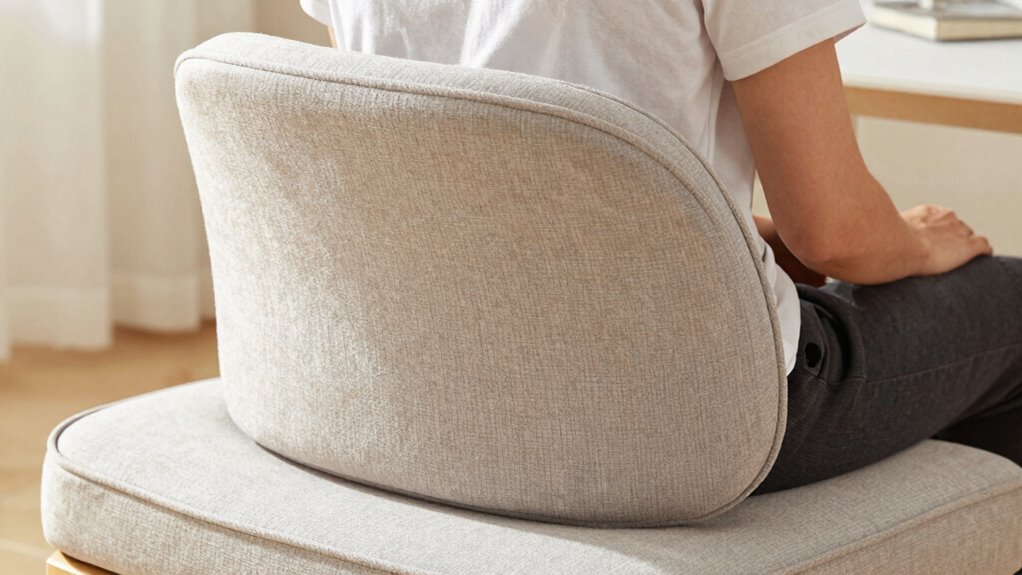

You might need more support for your hips and thighs even if your back feels comfortable because proper seating distributes weight effectively, reducing pressure points. A poorly fitted chair can cause discomfort, numbness, or strain in these areas, especially if your seat height or padding isn’t right. By adjusting your seat to support your hips and thighs better, you can improve overall comfort and posture. If you want to learn more about optimizing your seat support, keep going.

Get comfort and recovery gear delivered free with Prime
- Fast, free delivery on millions of items
- Prime Video, Amazon Music and more included
- Member-only deals all year
Key Takeaways
- Individuals with body shapes or postures that place more pressure on hips and thighs require additional seat support.
- Traditional back-focused chairs may neglect the need for enhanced hip and thigh cushioning for comfort.
- Discomfort or numbness in hips or thighs indicates insufficient seat support, necessitating adjustments.
- Proper seat height and padding distribute pressure evenly, reducing strain on hips and thighs.
- Balancing seat support with back support ensures overall ergonomic comfort tailored to individual needs.
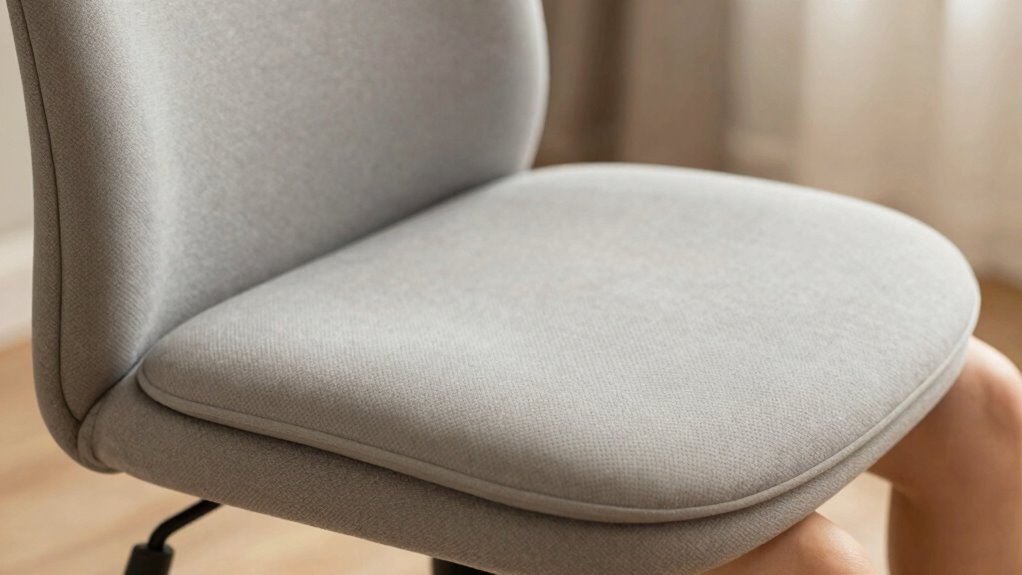
You might find that you need more support under your hips and thighs rather than your lower back because your body’s shape, posture, or specific comfort needs differ from standard ergonomic designs. Traditional office chairs often prioritize back support, but if you notice discomfort or pressure in your hips or thighs, it’s a sign that your seating setup needs adjustment. In these cases, focusing on ergonomic adjustments that cater to your unique anatomy becomes essential. By understanding your body’s signals and tailoring your chair accordingly, you’ll improve your overall comfort and reduce fatigue.
Your posture awareness plays a vital role here. When you’re aware of how you sit, you can make targeted adjustments that alleviate pressure points. For instance, if your hips feel compressed or your thighs experience numbness, it’s a sign that your seat’s surface isn’t providing enough support or that your seat height isn’t ideal. Elevating the seat slightly might help distribute your weight more evenly, reducing strain on your hips and thighs. Conversely, if your seat is too high and your feet are dangling, it can cause unnecessary tension in your legs and lower back. Proper seat height ensures your hips are level with your knees, promoting better posture and comfort.
Proper seat height keeps hips level with knees, reducing strain and boosting overall comfort and posture.
Sometimes, the issue isn’t just seat height but the shape and padding of your chair’s seat. You might benefit from cushions or seat pads designed to provide extra support where you need it most. These ergonomic adjustments help contour the seat to your body’s specific needs, preventing pressure buildup and encouraging better posture awareness. When you make these adjustments, you’re actively engaging in ergonomic practices that prioritize your comfort, rather than blindly sticking to default settings. Additionally, selecting chairs with customizable features allows you to tailor support to your individual preferences more effectively. Proper seat design is crucial for maintaining healthy sitting habits, especially if you spend long hours seated.
It’s also useful to think about how your chair’s backrest aligns with your spine. While you might need less back support, ensuring your back is in a comfortable, supported position still matters. Instead of relying solely on the backrest, you can use lumbar cushions or adjustable features to fine-tune support, focusing more on supporting your hips and thighs. This way, you’re balancing support across your body, preventing discomfort and promoting healthy sitting habits. Paying attention to the ergonomic principles behind seat design can help you make smarter choices for long-term comfort.
ergonomic seat cushion for hips and thighs
As an affiliate, we earn on qualifying purchases.
As an affiliate, we earn on qualifying purchases.
Frequently Asked Questions
How Do I Determine My Ideal Seat Support Level?
To determine your ideal seat support level, sit comfortably in a chair and pay attention to your comfort. Adjust the foam cushioning to find a firm yet cushioned feel and tweak the lumbar adjustment to support your lower back properly. If your hips feel supported without sinking, and your lower back feels relaxed, you’ve found the right balance. Keep adjusting until you experience maximum comfort and support.
Can Seat Support Affect Overall Posture?
Yes, seat support can considerably affect your overall posture. When your seat offers proper firmness, it promotes lumbar comfort, helping maintain a natural spine alignment. If the seat is too soft or too firm, you might slouch or strain your back muscles. By choosing the right seat firmness, you encourage better posture, reduce discomfort, and support your lumbar region effectively, leading to improved sitting habits and overall spinal health.
Are Adjustable Chairs Better for Varying Support Needs?
Yes, adjustable chairs are better for varying support needs because they let you customize lumbar comfort and cushion firmness. You can tweak the seat height, tilt, and lumbar support to suit your posture, reducing strain and improving comfort throughout the day. This flexibility helps you find the most suitable balance between seat support and back support, ensuring you stay comfortable and maintain good posture, regardless of your specific needs.
What Materials Offer the Best Seat Support?
The best seat support materials are like a fortress for your comfort. Memory foam molds perfectly to your shape, providing personalized support, while gel-infused options keep you cool and prevent sinking. These materials distribute your weight evenly, reducing pressure points. Look for high-density memory foam or gel-infused cushions for lasting support. They’re ideal for long hours of sitting, ensuring you stay comfortable and supported throughout the day.
How Often Should I Replace My Ergonomic Chair?
You should replace your ergonomic chair every 5 to 8 years, or sooner if you notice increased lumbar pain or it no longer supports proper desk ergonomics. Over time, wear and tear diminish support, leading to discomfort and potential injury. Regularly assess your chair’s stability, cushioning, and lumbar support to guarantee it continues to promote good posture and prevent strain. Prioritize timely replacement for maximum comfort and health.
adjustable seat height office chair
As an affiliate, we earn on qualifying purchases.
As an affiliate, we earn on qualifying purchases.
Conclusion
So, next time you’re fussing over your chair’s lumbar support, remember—it’s not always about your back. Sometimes, your tush needs the real luxury, and your back’s just along for the ride. Maybe, just maybe, you’re not a “poor posture victim,” but a connoisseur of comfort, demanding the perfect balance—seat support to keep you grounded, back support to keep you “aligned.” After all, isn’t life just about finding your ideal sweet spot?
As an affiliate, we earn on qualifying purchases.
ergonomic seat support for long hours sitting
As an affiliate, we earn on qualifying purchases.
As an affiliate, we earn on qualifying purchases.
Halloween Picks
halloween
As an affiliate, we earn on qualifying purchases.