

Your pillow setup affects your spinal alignment overnight, and an unsupportive pillow can cause misalignment and muscle tension. If your pillow is too flat, soft, or too firm for your sleep position, it may strain your neck and shoulders, leading to morning stiffness. Choosing the right pillow material and support for how you sleep helps keep your spine healthy and prevents discomfort. Keep exploring to discover how to optimize your pillow for a more comfortable morning.
Prime for Young Adults — start your free trial
Fast free delivery, streaming and member deals for eligible 18–24 year olds.
As an affiliate, we earn on qualifying purchases.
Key Takeaways
- An unsupportive pillow can misalign the neck and spine, causing muscle tension and morning stiffness.
- Incorrect pillow height or firmness disrupts natural spinal curves, leading to joint stiffness upon waking.
- Sleeping on a pillow that doesn’t suit your sleep position strains neck muscles, contributing to stiffness.
- Poor pillow support can increase pressure points, resulting in discomfort and stiffness in the morning.
- An improperly aligned sleep environment fails to maintain healthy posture, causing morning aches and stiffness.
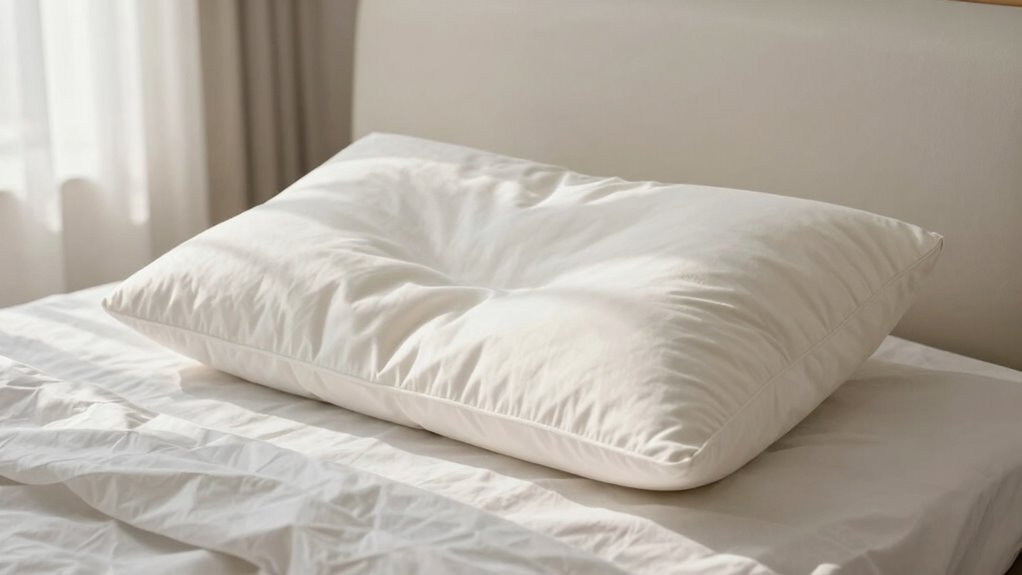
Have you ever woken up feeling stiff and achy, wondering what might be causing it? If so, your pillow setup could be to blame. The way you sleep, especially your sleep posture, and the material of your pillow play vital roles in how your body feels when you wake up. Poor sleep posture often puts unnecessary strain on your neck, shoulders, and back, leading to stiffness and discomfort. If you tend to sleep on your stomach, for example, your neck is forced to turn at an awkward angle, which can cause muscle tension and pain that lingers into the morning. On the other hand, sleeping on your side or back with an unsupportive pillow can also lead to misalignment and stiffness. The key is to find a sleep posture that promotes natural spinal alignment, reducing undue pressure on muscles and joints.
Your choice of pillow material greatly influences how well your pillow supports your head and neck during sleep. Some materials, like memory foam, contour to your shape, providing consistent support and reducing pressure points. This can help maintain proper sleep posture and prevent stiffness. Conversely, traditional feather or polyester pillows might lack the firmness needed to keep your head in a neutral position, especially if they become flat or lumpy over time. The wrong material can cause your head to sink or elevate too much, disrupting spinal alignment and leading to morning aches. When selecting a pillow, consider your sleeping position and personal preferences. If you sleep on your side, a firmer pillow with good neck support is usually best. If you sleep on your back, a medium firmness pillow that supports the natural curve of your neck works well. For stomach sleepers, a softer, thinner pillow can minimize strain.
In addition to choosing the right pillow material, paying attention to your sleep posture is essential. Avoid sleeping in positions that twist or strain your neck and back. Employing a pillow that aligns with your sleeping style can make a notable difference. If you’re experiencing morning stiffness regularly, it’s worth reevaluating your pillow setup. Sometimes, simply switching to a supportive pillow made from the right material can alleviate tension and improve your overall sleep quality. Proper support ensures your head, neck, and spine stay in a healthy alignment throughout the night, helping you wake up feeling refreshed rather than stiff. Additionally, understanding the importance of sleep posture and how it impacts your body can empower you to make better choices for your sleep environment. Ensuring your pillow height and firmness are appropriate for your sleeping position can further prevent strain and discomfort. Remember, a good pillow isn’t just about comfort — it’s about promoting a posture that keeps your body relaxed and pain-free when you wake up. Paying attention to sleep environment, such as pillow height and firmness, can further enhance your sleep quality and help prevent morning stiffness. Incorporating an appropriate pillow height can also contribute significantly to maintaining proper spinal alignment and reducing morning discomfort. Choosing a pillow that adapts to your sleep position can further optimize support and comfort.
ergonomic memory foam pillow for neck support
As an affiliate, we earn on qualifying purchases.
As an affiliate, we earn on qualifying purchases.
Frequently Asked Questions
Can Pillow Materials Affect Morning Stiffness?
Yes, pillow materials can affect your morning stiffness. If your pillow is too firm or too soft, it disrupts your sleep surface, causing neck and shoulder tension. Memory foam or latex pillows provide better support and maintain proper alignment, reducing stiffness. Conversely, feather or down pillows might not offer enough support, leading to discomfort. Choosing a pillow with the right firmness tailored to your sleep position can help prevent morning stiffness.
Does Pillow Height Influence Neck and Shoulder Pain?
Yes, pillow height influences neck and shoulder pain. If your pillow is too high or too low, it can disrupt your sleep posture, causing strain on your neck and shoulders. A pillow with the right firmness supports proper alignment, reducing stiffness and discomfort. Investigate your sleep habits and choose a pillow that promotes a neutral position for your head and neck, helping you wake up feeling refreshed instead of sore.
How Often Should I Replace My Pillow?
You should replace your pillow every 1 to 2 years to maintain ideal pillow durability and support. Sleeping habits, like tossing and turning or sweating, can wear out your pillow faster. If your pillow loses its shape, becomes lumpy, or causes discomfort, it’s time for a new one. Regular replacement helps prevent neck and shoulder pain, ensuring better sleep quality and reducing morning stiffness.
Are Allergies Linked to Morning Stiffness?
Yes, allergies can be linked to morning stiffness. Picture allergy symptoms like sneezing and congestion clouding your sleep, triggering your immune response. This immune activation can cause inflammation in your joints, leading to stiffness upon waking. When your body fights allergens in your pillow or bedding, it may wake you with aches, making it harder to start your day feeling refreshed. Addressing allergens can help reduce morning stiffness caused by immune reactions.
Can Sleeping Position Impact Stiffness Regardless of Pillow?
Yes, your sleeping position can impact stiffness regardless of your pillow. Poor sleep posture, like sleeping with your neck at odd angles, strains muscles and joints, leading to morning stiffness. Additionally, mattress firmness plays a role; a mattress that’s too soft or too firm can worsen discomfort. To reduce stiffness, maintain a neutral sleep posture and choose a mattress that supports proper alignment, helping you wake up feeling more refreshed.
contour pillow for side sleepers
As an affiliate, we earn on qualifying purchases.
As an affiliate, we earn on qualifying purchases.
Conclusion
So, smooth your sleep space by switching your pillow setup today. By balancing your bedding and boosting your bedtime posture, you’ll banish morning stiffness and wake up feeling fantastic. Small adjustments can make a significant difference, so don’t delay. Immerse yourself in a delightful, pain-free day by dedicating time to your pillow’s position tonight. Remember, a better pillow posture paves the way for a brighter, more comfortable morning.
adjustable firmness pillow for back sleepers
As an affiliate, we earn on qualifying purchases.
As an affiliate, we earn on qualifying purchases.
soft pillow for stomach sleepers
As an affiliate, we earn on qualifying purchases.
As an affiliate, we earn on qualifying purchases.
NFL season / tailgating Picks
team gear
As an affiliate, we earn on qualifying purchases.