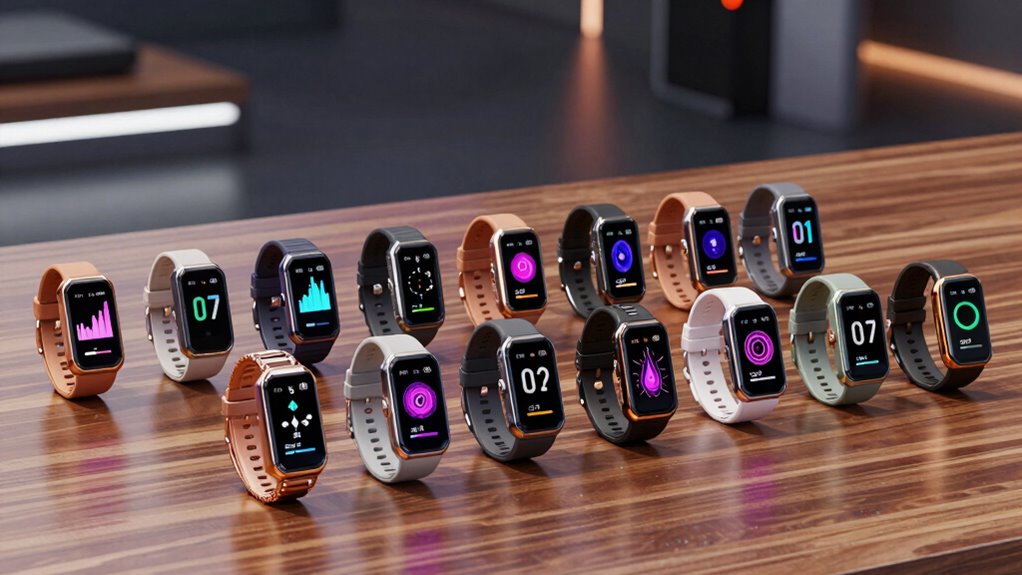

A premium fitness tracker with sleep tracking should fit comfortably overnight while giving you useful health and activity data. I rank the Fitbit Charge 6 as the best overall balance of everyday tracking and smartwatch features, while the Garmin vívoactive 6 stands out for GPS workouts and the Oura Ring 5 for screen-free overnight wear. The main tradeoffs are comfort versus on-wrist features, battery life versus display use, and how much you want to rely on an app or membership. Some trackers focus on sleep and recovery, while others are better suited to training and daily notifications. Read on for the full comparison and guidance on choosing the right style for your needs.

Get comfort and recovery gear delivered free — and shop member deals
- Fast, free delivery on millions of items
- Access to Prime Big Deal Days deals on October 6–7
- Prime Video, Amazon Music and more included
Complete the kit


Key Takeaways
- The Fitbit Charge 6 is the most balanced pick: it combines continuous activity and sleep tracking with a screen and smartwatch-style functions, without committing to a full GPS watch.
- Garmin’s vívoactive 5 and vívoactive 6 suit workout-focused buyers: their GPS smartwatch format makes more sense for people who want fitness features beyond overnight monitoring.
- The Oura Ring 5 and WHOOP 5.0 put screen-free wear first: they favor discreet, sleep-oriented tracking, but differ from wrist watches in how users interact with their data and services.
- Fitbit Inspire 3 options prioritize simplicity: the standard tracker and bundle versions suit lighter everyday tracking, while Charge 6 adds a broader feature set for buyers willing to choose a larger wrist device.
- Bundles and specifications need close reading: the Inspire 3 and Charge 6 appear in multiple listings, and added bands or accessories do not necessarily mean a different tracker or better sleep insight.
| Fitness Tracker with 24/7 Heart Rate, Blood Oxygen, Sleep Monitoring, Waterproof Fitness Watch, Activity Tracker for Women and Men |  | Best for Long Battery Life | Display: 1.47-inch color touchscreen | Battery life: 10 to 14 days | Standby time: Up to 30 days | VIEW ON AMAZON | See Our Full Breakdown |
| Google Fitbit Air Screenless Activity Tracker, Fog |  | Best Screenless Sleep Companion | Display: No display | Battery life: Up to 7 days | Quick charging: Up to 1 day of battery life from 5 minutes of charging | VIEW ON AMAZON | See Our Full Breakdown |
| Fitbit Inspire 3 Fitness Tracker with Classic Bands, Lilac Bliss/Black |  | Best for Straightforward Sleep and Stress Tracking | Display: OLED touchscreen | Battery life: Up to 10 days | Water resistance: 50 meters | VIEW ON AMAZON | See Our Full Breakdown |
| Garmin vívoactive 5 Health and Fitness GPS Smartwatch, 42 mm, Orchid |  | Best Premium Sleep Coaching Watch | Display: AMOLED | Case size: 42 mm | Battery life: Up to 11 days in smartwatch mode | VIEW ON AMAZON | See Our Full Breakdown |
| Fitbit Charge 6 Fitness Tracker – Obsidian/Black |  | Best for Google-Connected Tracking | GPS: Built-in; turn-by-turn directions via Google Maps | Sleep features: Sleep scoring and Smart Wake alarm | Health sensors: Heart rate, SpO2, accelerometer, gyroscope, temperature, and ambient light sensors | VIEW ON AMAZON | See Our Full Breakdown |
| Smart Watch Fitness Tracker with Heart Rate, Blood Oxygen, Blood Pressure, Sleep Monitoring, 120 Sports Modes, IP68 Waterproof for Android and iPhone |  | Best for Broad Everyday Tracking | Display: 1.58-inch high-resolution | Health monitoring: Heart rate, blood pressure, blood oxygen, and sleep stages | Exercise modes: 120+ | VIEW ON AMAZON | See Our Full Breakdown |
| Amazfit Active 2 Premium Smart Watch 1.32″ Sapphire Glass, GPS, iOS/Android |  | Best Premium Build for Active Sleep Trackers | Display: 1.32-inch AMOLED | Build: Stainless steel with sapphire glass | Battery life: Up to 10 days | VIEW ON AMAZON | See Our Full Breakdown |
| Oura Ring 5 Smart Wearable – Black – Size 12 |  | Best Screen-Free Sleep Focus | Color and size: Black, size 12 | Material: Titanium | Battery life: 6–9 days | VIEW ON AMAZON | See Our Full Breakdown |
| Garmin vívoactive 6, Health & Fitness GPS Smartwatch, 42mm, Jasper Green |  | Best for Sleep Coaching and Training | Display: AMOLED | Size: 42mm | Battery life: Up to 11 days | VIEW ON AMAZON | See Our Full Breakdown |
| Xiaomi Mi Smart Band 10 (2025) Global Version – 1.72″ AMOLED Display, 21 Days Battery Life, Heart Rate & Multi-Sport Tracker |  | Best for Long Battery Life and a Large Screen | Display: 1.72-inch AMOLED | Brightness: 1500 nits | Battery life: Up to 21 days | VIEW ON AMAZON | See Our Full Breakdown |
| Fitbit Inspire 3 Health & Fitness Activity Tracker Bundle (Black) with Nylon Bands, Charger, and Screen Protectors |  | Best Accessory Bundle for Sleep Tracking | Display: Color touchscreen | Battery life: Up to 10 days | Sleep and health tracking: Sleep stages, heart rate, stress scores, and blood oxygen | VIEW ON AMAZON | See Our Full Breakdown |
| Fitbit Charge 6 Fitness Tracker Bundle, Black/Obsidian |  | Best for GPS and Swim-Ready Tracking | Display: Touchscreen | GPS: Built-in | Water resistance: 50 meters | VIEW ON AMAZON | See Our Full Breakdown |
| Google Fitbit Inspire 3 Fitness Tracker with Small and Large Bands, Midnight Zen/Black |  | Best Simple Sleep-Tracking Starter | Color: Midnight Zen/Black | Compatibility: Apple iOS 16.4 or higher; Android OS 11.0 or higher | Exercise modes: 40+ | VIEW ON AMAZON | See Our Full Breakdown |
| WHOOP 5.0 Activity Tracker with 12-Month Membership |  | Best for Recovery-Focused Sleep Insights | Display: Screenless | Battery life: Up to 14+ days | Membership: 12 months included | VIEW ON AMAZON | See Our Full Breakdown |
| fitness tracker premium with sleep tracking | Display | Water resistance | Battery life | Compatibility |
|---|---|---|---|---|
| Fitness Tracker with 24/7 Hear | 1.47-inch color touchscreen | IP68; withstands submersion in 1.5 meters of water for 30 minutes | 10 to 14 days | iPhone and Android |
| Google Fitbit Air Screenless A | No display | Up to 50 meters | Up to 7 days | Android 11.0 or higher; Apple iOS 16.4 or higher |
| Fitbit Inspire 3 Fitness Track | OLED touchscreen | 50 meters | Up to 10 days | — |
| Garmin vívoactive 5 Health and | AMOLED | 50 meters | Up to 11 days in smartwatch mode | — |
| Fitbit Charge 6 Fitness Tracke | — | Water resistant to 50 meters | — | — |
| Smart Watch Fitness Tracker wi | 1.58-inch high-resolution | IP68 | — | Android 4.4+ and iOS 8.4+ |
| Amazfit Active 2 Premium Smart | 1.32-inch AMOLED | 50 meters | Up to 10 days | iOS and Android |
| Oura Ring 5 Smart Wearable | — | 100 meters (IP68) | 6–9 days | iOS and Android |
| Garmin vívoactive 6 | AMOLED | — | Up to 11 days | — |
| Xiaomi Mi Smart Band 10 | 1.72-inch AMOLED | Suitable for swimming | Up to 21 days | — |
| Fitbit Inspire 3 Health & Fitn | Color touchscreen | 1 meter | Up to 10 days | Android 10+ and iOS |
| Fitbit Charge 6 Fitness Tracke | Touchscreen | 50 meters | — | iOS and Android smartphones |
| Google Fitbit Inspire 3 Fitnes | — | — | — | Apple iOS 16.4 or higher; Android OS 11.0 or higher |
| WHOOP 5.0 Activity Tracker wit | Screenless | — | Up to 14+ days | — |
More Details on Our Top Picks
Fitness Tracker with 24/7 Heart Rate, Blood Oxygen, Sleep Monitoring, Waterproof Fitness Watch, Activity Tracker for Women and Men
This tracker suits buyers who want broad sleep and health monitoring without charging every few days. Its listed 10–14-day battery life outlasts the Fitbit Charge 6’s typical appeal as a connected Google-services tracker, while the large touchscreen makes on-wrist stats easier to check than on the screenless Google Fitbit Air. Heart rate, blood oxygen, and body temperature sensors sit alongside more than 100 sports modes, giving it wide activity coverage. The tradeoff is that its deeper analytics depend on the app, and the product details do not describe sleep coaching or the richer recovery tools found on the Garmin vívoactive 5. I’d choose it for basic monitoring and long intervals between charges, not for highly detailed sleep interpretation.
Pros:- Tracks sleep, heart rate, blood oxygen, and body temperature
- Listed battery life of 10 to 14 days
- Large 1.47-inch touchscreen and more than 100 sports modes
- IP68 rating specifies submersion up to 1.5 meters for 30 minutes
Cons:- Detailed analytics are limited without the companion app
- Interface may feel complex for buyers seeking simple sleep summaries
- Replaceable strap may wear less well over time
Best for: Buyers who want a visible display, broad everyday health tracking, and fewer charging interruptions than a typical smartwatch.
Not ideal for: Sleep-focused buyers who want detailed coaching or recovery interpretation, since the listed analytics are limited without the app and sleep coaching is not specified.
- Display:1.47-inch color touchscreen
- Battery life:10 to 14 days
- Standby time:Up to 30 days
- Water resistance:IP68; withstands submersion in 1.5 meters of water for 30 minutes
- Sensors:Heart rate, blood oxygen, and body temperature
- Sports modes:More than 100
- Compatibility:iPhone and Android
- Charging:Magnetic fast charging
Our verdict“Choose this tracker if long battery life and a wide range of basic sleep and health metrics matter more than advanced coaching.”
Google Fitbit Air Screenless Activity Tracker, Fog
The Fitbit Air takes a different approach from the Fitbit Inspire 3: it removes the display and uses a lightweight band for low-profile all-day and overnight wear. That screenless design may suit sleepers who dislike a bright display or a watch-like feel, while its heart rate, blood oxygen, and movement sensors cover core tracking needs. Battery life reaches up to seven days, and a five-minute charge is listed to add up to a day of use. Compared with the Inspire 3, though, the Air gives up at-a-glance stats and the familiar OLED screen; GPS also relies on a smartphone. Some coaching and health guidance require a subscription, so I’d pick it for discreet tracking rather than for a self-contained display or extensive on-device feedback.
Pros:- Screenless, lightweight design suited to overnight wear
- Tracks heart rate, blood oxygen, and movement
- Up to seven days of battery life, with quick charging
- Water resistant to 50 meters
Cons:- No display for checking metrics on the tracker
- Some coaching and health guidance require a subscription
- GPS uses a connected smartphone rather than built-in GPS
Best for: Sleepers and workout users who prefer a lightweight, screen-free band and are comfortable checking their metrics in the companion app.
Not ideal for: Buyers who want to read sleep summaries or workout stats on their wrist, or who want coaching features without a subscription.
- Display:No display
- Battery life:Up to 7 days
- Quick charging:Up to 1 day of battery life from 5 minutes of charging
- Water resistance:Up to 50 meters
- Band size:One size, 130–210 mm
- Sensors:Optical heart rate monitor, accelerometer, gyroscope, device temperature sensor, and red and infrared SpO2 sensors
- GPS:Via smartphone
- Compatibility:Android 11.0 or higher; Apple iOS 16.4 or higher
Our verdict“Pick the Fitbit Air if a discreet, screen-free band matters more to you than viewing stats directly on your wrist.”
Fitbit Inspire 3 Fitness Tracker with Classic Bands, Lilac Bliss/Black
The Inspire 3 is a practical middle ground for buyers who want sleep, stress, and heart-rate tracking in a compact band without stepping up to the Garmin vívoactive 5 smartwatch. Its OLED touchscreen keeps basic information visible, and more than 20 exercise modes plus Active Zone Minutes add useful context to daily activity. The listed up-to-10-day battery life is longer than the Fitbit Air’s seven days, and the included small and large bands help with fit. The main compromise is GPS: this tracker needs a connected phone for location data, unlike the Charge 6’s built-in GPS. I’d favor the Inspire 3 for everyday sleep and stress tracking at a simpler feature level, but skip it if you want independent route recording or smartwatch features.
Pros:- Tracks sleep, 24/7 heart rate, stress, and Active Zone Minutes
- Up to 10 days of battery life
- OLED touchscreen in a compact tracker design
- Small and large silicone bands are included
Cons:- GPS requires a connected smartphone
- Offers fewer listed sports modes than the 100-plus-mode tracker in this roundup
- Plastic case may feel less substantial than a smartwatch case
Best for: New or returning tracker buyers who want accessible sleep, stress, and activity tracking in a small band with two band sizes included.
Not ideal for: Runners and cyclists who want GPS routes without carrying a phone, or buyers seeking a large smartwatch display and advanced sports tools.
- Display:OLED touchscreen
- Battery life:Up to 10 days
- Water resistance:50 meters
- Exercise modes:More than 20
- Health features:24/7 heart rate monitoring, sleep tracking, stress management, and Active Zone Minutes
- GPS:Via smartphone
- Materials:Plastic case and silicone bands
- Included bands:Small and large classic bands
Our verdict“Choose the Inspire 3 for approachable sleep and stress tracking, but pick the Charge 6 if phone-free GPS matters.”
Garmin vívoactive 5 Health and Fitness GPS Smartwatch, 42 mm, Orchid
The vívoactive 5 earns its premium position through sleep coaching and nap detection, not just overnight tracking. Sleep score, HRV status, stress tracking, and Body Battery add daytime context, helping buyers connect rest with how they feel and train. Unlike the Fitbit Inspire 3 and Charge 6, it has built-in GPS, so outdoor routes do not depend on a phone; more than 30 sports apps, music storage, and Garmin Pay broaden its smartwatch role. Its AMOLED display and up-to-11-day battery life balance those features with regular wear. The tradeoff is a more feature-dense experience than a simple band, and Garmin notes that health metrics are estimates. I’d choose it over the Fitbit trackers for coaching and GPS, but not if simplicity is the priority.
Pros:- Sleep score, sleep coaching, and nap detection
- Built-in GPS for phone-independent route tracking
- HRV status, stress tracking, and Body Battery add recovery context
- AMOLED display, music storage, and Garmin Pay
Cons:- Health and sleep metrics are estimates
- More features may feel excessive for buyers who only want basic sleep tracking
- Some smartwatch features rely on pairing with a smartphone
Best for: Active buyers who want sleep coaching and recovery context alongside built-in GPS, workout options, and smartwatch functions.
Not ideal for: Buyers who prefer a small, simple sleep band or who expect health metrics to be clinical measurements rather than estimates.
- Display:AMOLED
- Case size:42 mm
- Battery life:Up to 11 days in smartwatch mode
- GPS:Built-in
- Water resistance:50 meters
- Sleep and health features:Sleep score and coaching, nap detection, heart rate monitoring, stress tracking, Body Battery, and HRV status
- Sports apps:More than 30
- Smart features:Music storage, Garmin Pay, and smartphone notifications
Our verdict“Choose the vívoactive 5 if you want sleep coaching and recovery data in a full-featured GPS smartwatch.”
Fitbit Charge 6 Fitness Tracker – Obsidian/Black
The Charge 6 is the most connected tracker here for buyers who want sleep scoring alongside Google services. Sleep scoring and a Smart Wake alarm give its overnight tracking a practical role, while built-in GPS records routes without a phone—a meaningful advantage over the Inspire 3. Google Maps directions, YouTube Music controls, and Google Wallet add everyday utility that the more sleep-coaching-focused Garmin vívoactive 5 approaches differently. It also tracks heart rate, stress, and more than 40 exercise modes. The tradeoffs are that some premium features require a subscription, and the supplied specifications describe water resistance to 50 meters without naming a formal rating. I’d choose it for Google integration and standalone GPS, not if my main goal were detailed sleep coaching or a simpler, subscription-free setup.
Pros:- Built-in GPS with turn-by-turn directions via Google Maps
- Sleep scoring and Smart Wake alarm
- Google Wallet and YouTube Music controls
- Tracks heart rate, stress, and more than 40 exercise modes
Cons:- Some premium health features require a separate subscription
- The listed specifications do not describe a formal water-resistance rating
- Limited eSIM functionality restricts standalone cellular use
Best for: Android or Google-services users who want built-in GPS, sleep scoring, a wake alarm, and connected music, maps, and payment tools.
Not ideal for: Buyers who want sleep coaching as the central feature, dislike subscription-dependent guidance, or need more detail about the water-resistance rating.
- GPS:Built-in; turn-by-turn directions via Google Maps
- Sleep features:Sleep scoring and Smart Wake alarm
- Health sensors:Heart rate, SpO2, accelerometer, gyroscope, temperature, and ambient light sensors
- Exercise modes:More than 40
- Water resistance:Water resistant to 50 meters
- Connectivity:Wi-Fi and Bluetooth
- Materials:Silicone band and stainless steel or metal case
- Google features:YouTube Music controls, Google Maps directions, and Google Wallet payments
Our verdict“Choose the Charge 6 if built-in GPS and Google-connected features matter more than subscription-free coaching.”
Smart Watch Fitness Tracker with Heart Rate, Blood Oxygen, Blood Pressure, Sleep Monitoring, 120 Sports Modes, IP68 Waterproof for Android and iPhone
This watch is aimed at buyers who want sleep tracking alongside a wide set of everyday health readings, without moving to a more training-focused model like the Garmin vívoactive 6. Its listed sleep-stage, heart-rate, blood-oxygen, and blood-pressure tracking is paired with more than 120 exercise modes, so one device can cover routine activity and varied workouts. The 1.58-inch high-resolution display also gives notifications and watch faces more room than a compact band. The tradeoff is less clarity around the companion app, syncing, and battery life than the product information provides for several alternatives. I’d choose it for feature breadth, not for a clearly documented software or battery experience. Its IP68 rating and replaceable strap add practical flexibility, but buyers who want detailed training guidance may prefer Garmin’s sleep coaching and personalized workouts.
Pros:- Tracks sleep stages alongside heart rate, blood oxygen, and blood pressure
- More than 120 exercise modes cover a broad range of activities
- 1.58-inch high-resolution display supports readable notifications and customizable watch faces
- IP68 water resistance and a replaceable, washable strap suit everyday wear
Cons:- Battery life is not specified
- App compatibility and sync speed are not clearly described
- Some features may rely on frequent phone connections
Best for: Android or iPhone users who want a large watch display, sleep and health tracking, and many activity modes in one device.
Not ideal for: Buyers who need clearly specified battery life, dependable app details, or advanced training guidance comparable to the Garmin vívoactive 6.
- Display:1.58-inch high-resolution
- Health monitoring:Heart rate, blood pressure, blood oxygen, and sleep stages
- Exercise modes:120+
- Water resistance:IP68
- Compatibility:Android 4.4+ and iOS 8.4+
- Strap:Replaceable and washable
- Additional features:Call and message notifications, weather, camera and music controls, sedentary and menstrual reminders, GPS connectivity
Our verdict“Choose this for broad everyday health and activity tracking on a roomy display, but favor the Garmin vívoactive 6 for more developed sleep coaching and training tools.”
Amazfit Active 2 Premium Smart Watch 1.32″ Sapphire Glass, GPS, iOS/Android
The Amazfit Active 2 makes the strongest case for buyers who want sleep tracking in a polished, durable sports watch. Its sapphire glass and stainless-steel construction give it a more premium feel than the Xiaomi Mi Smart Band 10, while built-in GPS with five satellite systems and turn-by-turn maps make outdoor workouts less dependent on a phone. For sleep-focused wear, the up-to-10-day battery life means fewer charging interruptions than a device that needs frequent top-ups. It also offers more than 160 sports modes. The main compromise is usability: its interface may take time to learn, and watch-face customization is limited. Its 50-meter water resistance is useful for swimming, though buyers seeking deeper sleep coaching and adaptive plans may find the Garmin vívoactive 6 a better fit.
Pros:- Sapphire glass and stainless-steel construction provide a durable, premium finish
- Up to 10 days of battery life supports overnight wear with less frequent charging
- GPS supports five satellite systems and turn-by-turn maps
- More than 160 sports modes and 50-meter water resistance suit varied training
Cons:- Interface complexity may be a hurdle for users who want simple navigation
- Watch-face customization is limited
- Sleep coaching and training guidance are less clearly developed than Garmin vívoactive 6 features
Best for: Active users who want sleep tracking, onboard GPS and maps, and a refined watch with durable glass.
Not ideal for: Shoppers who prefer a simple interface, extensive watch-face choices, or Garmin-style sleep coaching and adaptive training plans.
- Display:1.32-inch AMOLED
- Build:Stainless steel with sapphire glass
- Battery life:Up to 10 days
- GPS:Yes, with five satellite systems
- Sports modes:160+
- Water resistance:50 meters
- Compatibility:iOS and Android
- Additional features:Heart-rate and sleep tracking, offline maps, voice control
Our verdict“Pick the Active 2 if you want a durable, GPS-equipped watch with sleep tracking; choose the Garmin vívoactive 6 if coaching matters more than its premium materials.”
Oura Ring 5 Smart Wearable – Black – Size 12
The Oura Ring 5 takes a different route from the screen-first Amazfit Active 2 and Garmin vívoactive 6: it puts sleep and health tracking in a titanium ring rather than a wristwatch. That smaller form may appeal to people who dislike sleeping with a watch or want health insights without a display on their wrist. The product data lists tracking for sleep, activity, stress, and women’s health, with six to nine days of battery life and water resistance to 100 meters. It has no built-in GPS, so it is a weaker choice for recording outdoor routes than either watch. Full functionality also requires a paid membership after the first month, and its nonstandard sizing calls for care when choosing fit. I’d pick it for discreet overnight wear, not as a complete sports-watch replacement.
Pros:- Ring form factor offers a screen-free alternative to wearing a watch overnight
- Tracks sleep, activity, stress, and women’s health
- Titanium construction and 100-meter water resistance suit regular wear
- Listed battery life of six to nine days reduces charging frequency
Cons:- Full functionality requires a paid membership after the first month
- No built-in GPS for recording outdoor routes independently
- Unique sizing differs from standard jewelry rings
Best for: People who prioritize discreet overnight sleep and wellness tracking and would rather wear a ring than a watch.
Not ideal for: Runners and cyclists who want built-in GPS, or buyers unwilling to pay for a membership to access full functionality.
- Color and size:Black, size 12
- Material:Titanium
- Battery life:6–9 days
- Water resistance:100 meters (IP68)
- Connectivity:Bluetooth
- Compatibility:iOS and Android
- GPS:Not available
- Membership:Required for full functionality after the first month
Our verdict“Choose the Oura Ring 5 for discreet sleep-centered tracking, but select the Amazfit Active 2 or Garmin vívoactive 6 for a screen, built-in GPS, and watch-based workout features.”
Garmin vívoactive 6, Health & Fitness GPS Smartwatch, 42mm, Jasper Green
For buyers who want sleep data to guide their training, the Garmin vívoactive 6 is the most coaching-oriented choice in this group. Its sleep score, sleep coaching, smart wake alarm, and automatic nap detection go beyond simply listing sleep stages, while Body Battery and HRV add context to how ready a wearer may feel for activity. Compared with the Amazfit Active 2, Garmin puts more emphasis on personalized workouts and Garmin Coach rather than premium glass and turn-by-turn maps. The up-to-11-day battery life also supports consistent overnight tracking, although continuous GPS use can shorten it. The 42mm AMOLED watch brings a broad set of more than 80 sports apps, but the interface may take some learning. I’d choose it for structured fitness and sleep insights, not for the simplest setup.
Pros:- Sleep score, sleep coaching, smart wake alarm, and automatic nap detection add useful context
- Body Battery and HRV complement sleep and heart-rate tracking
- More than 80 sports apps plus animated workouts and Garmin Coach support varied training
- Up to 11 days of battery life helps support regular overnight wear
Cons:- The interface may require a learning period
- Continuous GPS use can reduce battery life
- A 42mm smartwatch is less discreet for sleep than the Oura Ring 5
Best for: Fitness-minded users who want sleep coaching, recovery-related metrics, and personalized workouts in a GPS smartwatch.
Not ideal for: People seeking a very simple tracker interface, a discreet sleep wearable, or battery life unaffected by frequent GPS workouts.
- Display:AMOLED
- Size:42mm
- Battery life:Up to 11 days
- Health monitoring:Heart rate, sleep, stress, Body Battery, HRV, menstrual and pregnancy tracking
- Sports apps:80+ indoor and GPS sports apps
- Sleep features:Sleep score, sleep coaching, smart wake alarm, automatic nap detection
- Workout features:Animated workouts and Garmin Coach
- Color:Jasper Green
Our verdict“Choose the vívoactive 6 if you want sleep insights tied to coaching and training; pick the Oura Ring 5 for a less noticeable overnight wearable.”
Xiaomi Mi Smart Band 10 (2025) Global Version – 1.72″ AMOLED Display, 21 Days Battery Life, Heart Rate & Multi-Sport Tracker
The Xiaomi Mi Smart Band 10 is the practical pick for buyers who want sleep tracking with fewer charging interruptions. Its listed battery life of up to 21 days is longer than the Amazfit Active 2 and Garmin vívoactive 6, while the 1.72-inch AMOLED display is unusually large for a band. That combination suits someone who wants sleep and activity information visible at a glance without choosing a full-size GPS smartwatch. It also supports swimming and offers fast charging, so a short charging window can restore it when needed. The tradeoff is a more limited app experience: imperial measurements require third-party apps, and some features depend on app connectivity. Unlike the Oura Ring 5, it has a screen and wrist-based controls; unlike Garmin, the listed specs don’t highlight sleep coaching or detailed training plans.
Pros:- Up to 21 days of listed battery life supports extended overnight tracking between charges
- 1.72-inch AMOLED display with 1500-nit brightness is designed for strong visibility
- Suitable for swimming and supports multi-sport tracking
- Fast charging is listed as taking one hour
Cons:- Imperial measurements require third-party apps
- Some features may depend on an app connection
- Listed product details do not specify built-in GPS or sleep-coaching features
Best for: People who want a bright, large-screen fitness band with long battery life for regular sleep and multi-sport tracking.
Not ideal for: Buyers who rely on imperial measurements in the companion app or want built-in GPS and clearly specified sleep coaching.
- Display:1.72-inch AMOLED
- Brightness:1500 nits
- Battery life:Up to 21 days
- Charging:Fast charging; one-hour charge time listed
- Connectivity:Bluetooth 5.4
- Water resistance:Suitable for swimming
- Operating system:HyperOS 2
- App support:Xiaomi Fit; Google Fit via third-party apps
Our verdict“Choose the Xiaomi Mi Smart Band 10 for long battery life and a bright, roomy screen, but opt for the Garmin vívoactive 6 if sleep coaching and training guidance are priorities.”
Fitbit Inspire 3 Health & Fitness Activity Tracker Bundle (Black) with Nylon Bands, Charger, and Screen Protectors
I’d choose this Inspire 3 bundle for a lightweight, sleep-focused tracker that arrives with useful fit and care extras. It records sleep stages, heart rate, stress scores, and blood oxygen, while a battery life of up to 10 days means fewer interruptions to overnight tracking. The three nylon bands offer alternatives to the tracker’s silicone band, which may help buyers find a more comfortable fit for sleeping. Compared with the Fitbit Charge 6, this Inspire 3 lacks built-in GPS and its water resistance is more limited, but it also keeps the experience simpler and includes a six-month Premium membership for additional insights. GPS uses a paired phone, and full functionality depends on smartphone pairing, so it suits everyday health tracking better than phone-free workouts.
Pros:- Tracks sleep stages alongside heart rate, stress, and blood oxygen
- Up to 10 days of battery life can reduce charging interruptions
- Includes three nylon bands, screen protectors, charger, and cleaning cloth
- Includes a six-month Fitbit Premium membership
Cons:- GPS requires a connected smartphone
- Water resistance is limited to 1 meter
- Full functionality and notifications require smartphone pairing
Best for: Sleep-focused Fitbit users who want several band options, a long-lasting battery, and a Premium membership included in the bundle.
Not ideal for: Runners who want built-in GPS or swimmers who need the Charge 6’s 50-meter water resistance.
- Display:Color touchscreen
- Battery life:Up to 10 days
- Sleep and health tracking:Sleep stages, heart rate, stress scores, and blood oxygen
- GPS:Via smartphone
- Water resistance:1 meter
- Connectivity:Bluetooth
- Compatibility:Android 10+ and iOS
- Included accessories:Three nylon bands, wall adapter, USB cable, two screen protectors, and cleaning cloth
- Membership:Six-month Fitbit Premium membership
Our verdict“Choose this bundle for sleep tracking and useful extras; choose the Fitbit Charge 6 if built-in GPS and deeper water resistance matter more.”
Fitbit Charge 6 Fitness Tracker Bundle, Black/Obsidian
The Charge 6 is my pick for buyers who want sleep tracking without giving up more capable workout features. It tracks sleep, heart rate, stress, and other health metrics, and its built-in GPS records routes without requiring a phone connection during the activity. Its 50-meter water resistance also makes it a better fit for swimming than the Inspire 3 bundle, whose listed resistance is only 1 meter. Google Maps, Google Wallet, and YouTube Music controls add everyday utility, though this is still a smartphone-connected tracker rather than a standalone phone. Compared with the screenless WHOOP 5.0, the Charge 6 offers a touchscreen and built-in GPS, while WHOOP puts more emphasis on recovery coaching. Buyers should expect to pair a compatible phone for connectivity, and the bundle’s included extras are modest.
Pros:- Tracks sleep, heart rate, stress, and additional health metrics
- Built-in GPS records workouts without relying on a phone for location
- Water resistance rated to 50 meters
- Supports Google Maps, Google Wallet, and YouTube Music controls
Cons:- Requires a compatible smartphone for connectivity
- The listed bundle includes only a rapid USB charger and cleaning cloth as accessories
Best for: Active buyers who want sleep and health tracking alongside built-in GPS, swim-ready water resistance, and useful Google features.
Not ideal for: People seeking a screenless recovery coach or a bundle with multiple bands and extensive sleep-comfort accessories.
- Display:Touchscreen
- GPS:Built-in
- Water resistance:50 meters
- Health metrics:Heart rate, ECG, blood oxygen, and body temperature
- Connectivity:Bluetooth and Wi-Fi
- Compatibility:iOS and Android smartphones
- Band material:Silicone
- Included accessories:Rapid USB charger and microfiber cleaning cloth
- Supported features:Google Maps, Google Wallet, and YouTube Music controls
Our verdict“Pick the Charge 6 if you want a display, built-in GPS, and stronger water resistance in a sleep-tracking fitness band.”
Google Fitbit Inspire 3 Fitness Tracker with Small and Large Bands, Midnight Zen/Black
I’d point first-time tracker buyers toward this Inspire 3 when their priority is an approachable mix of sleep and everyday wellness features. It covers sleep tracking, a Sleep Score, 24/7 heart rate, and stress tools, plus a vibrating alarm that can wake you without an audible alert. More than 40 exercise modes give it room to support varied routines, but this version’s listed details focus on core tracking rather than GPS or a broad set of bundled extras. Compared with the accessory-rich Inspire 3 bundle, it includes small and large bands but does not list nylon replacements, screen protectors, or a Premium membership. It is also less suited to route tracking than the Fitbit Charge 6, which has built-in GPS. A compatible phone is required, and some health notifications vary by location.
Pros:- Provides sleep tracking and a Sleep Score
- Includes 24/7 heart rate tracking and stress-management tools
- Offers more than 40 exercise modes and automatic exercise tracking
- Small and large bands accommodate different wrist sizes
Cons:- Requires a compatible iOS or Android device
- No built-in GPS is listed
- Some notifications, including irregular heart rhythm notifications, may not be available everywhere
Best for: New fitness tracker buyers who want straightforward sleep and activity tracking, a vibrating alarm, and band sizing options.
Not ideal for: Phone-free runners or buyers who specifically want built-in GPS, included Premium access, or the Inspire 3 bundle’s extra accessories.
- Color:Midnight Zen/Black
- Compatibility:Apple iOS 16.4 or higher; Android OS 11.0 or higher
- Exercise modes:40+
- Heart rate tracking:24/7
- Bands included:Small and large
- Sleep features:Sleep tracking and Sleep Score
- Stress features:Mindfulness sessions and breathing exercises
- Alarm:Vibrating alarm
Our verdict“Choose this Inspire 3 for an accessible sleep-tracking starter; choose the Charge 6 if built-in GPS is a priority.”
WHOOP 5.0 Activity Tracker with 12-Month Membership
WHOOP 5.0 is the distinct choice here for people who want sleep to inform training and recovery, rather than simply appear as another daily score. It tracks sleep, heart rate, HRV, strain, and recovery, then uses the app to provide personalized coaching. Its screenless design keeps the wearable unobtrusive, and the included waterproof Wireless PowerPack supports charging without removing the tracker—useful for maintaining around-the-clock data collection. Compared with the Fitbit Charge 6, WHOOP offers a stronger recovery-coaching focus but gives up an on-device display and built-in GPS. The 12-month membership is included, yet membership is required for coaching and insights, creating an ongoing commitment beyond the hardware. I’d favor it for data-oriented training, not for someone who wants quick stats on their wrist.
Pros:- Connects sleep tracking with recovery and strain insights
- Tracks heart rate, HRV, VO2 max, stress, and other health metrics
- Up to 14+ days of battery life
- Includes a 12-month membership, SuperKnit band, and waterproof Wireless PowerPack
Cons:- Screenless design provides no on-device stats or display
- Membership is required for coaching and insights
- The listed package does not include built-in GPS
Best for: Training-focused buyers who want sleep linked to recovery and strain insights, app-based coaching, and continuous tracking.
Not ideal for: People who want an on-device screen, built-in GPS, or sleep tracking without a required membership for coaching and insights.
- Display:Screenless
- Battery life:Up to 14+ days
- Membership:12 months included
- Health metrics:Sleep, strain, recovery, heart rate, HRV, VO2 max, stress, and menstrual cycle insights
- Band:SuperKnit
- Charging:Waterproof Wireless PowerPack
- Connectivity:Apple Health, Google Health Connect, Strava, and Natural Cycles
- Model:WHOOP 5.0
Our verdict“Choose WHOOP 5.0 if app-based recovery coaching matters more than a screen, built-in GPS, or membership-free use.”
How We Picked
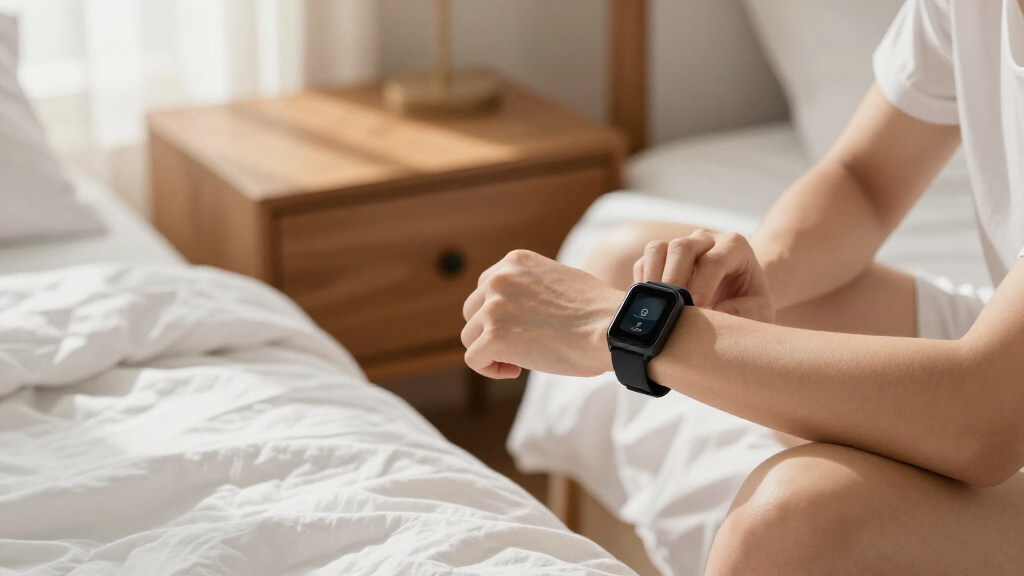
I ranked these options by how well they serve the specific combination of overnight comfort and useful sleep tracking, then weighed that against daytime activity features, usability, battery expectations, and device format. A tracker that adds GPS or a richer screen can be a stronger all-rounder, but those features only help if the buyer wants a wristwatch on throughout the day. I also treated fit, charging habits, app dependence, and the difference between wrist and ring-style wear as meaningful parts of the ownership experience.
The order favors products with a clear role and a practical balance, rather than simply the longest feature list. Fitbit Charge 6 leads for its blend of daily tracking and accessible smartwatch functions; Garmin’s vívoactive models rank higher for exercise versatility; and ring or screenless options are better matches for buyers who put low-profile sleep wear first. The Inspire 3 listings and accessory bundles remain appealing for simpler needs, while generic smart trackers rank lower because their broad feature claims do not establish the same level of confidence or clear product differentiation. I considered each listed version on its stated features and did not treat bundle accessories as a substitute for tracker capability.
| fitness tracker premium with sleep tracking | GPS |
|---|---|
| Fitness Tracker with 24/7 Hear | — |
| Google Fitbit Air Screenless A | Via smartphone |
| Fitbit Inspire 3 Fitness Track | Via smartphone |
| Garmin vívoactive 5 Health and | Built-in |
| Fitbit Charge 6 Fitness Tracke | Built-in; turn-by-turn directions via Google Maps |
| Smart Watch Fitness Tracker wi | — |
| Amazfit Active 2 Premium Smart | Yes, with five satellite systems |
| Oura Ring 5 Smart Wearable | Not available |
| Garmin vívoactive 6 | — |
| Xiaomi Mi Smart Band 10 | — |
| Fitbit Inspire 3 Health & Fitn | Via smartphone |
| Fitbit Charge 6 Fitness Tracke | Built-in |
| Google Fitbit Inspire 3 Fitnes | — |
| WHOOP 5.0 Activity Tracker wit | — |
Factors to Consider When Choosing Fitness Tracker Premium With Sleep Tracking
Sleep tracking is only useful when a device fits your routine well enough to wear consistently. I would start with overnight comfort and the kind of feedback you will actually use, then decide how much workout tracking, display access, and app involvement you want during the day.
Choose a Wearable Shape You Can Sleep In
Comfort overnight is personal, so a feature-rich device can be the wrong choice if its size or strap bothers you in bed. Wrist trackers are easy to check during the day, but their case and band may feel more present than a ring or screenless band. Ring-style wear can reduce the feeling of a watch on the wrist, though it will not suit everyone’s preferred fit or daytime habits. Try to account for hand swelling, sleeping position, and whether you tolerate jewelry before choosing a form factor. A common mistake is selecting by daytime appearance alone and then leaving the device off at night. Consistent wear matters more to a sleep routine than an impressive list of modes you rarely use.
Decide What Sleep Data Will Change
More metrics do not automatically make sleep tracking more helpful. Before buying, decide whether you want a simple view of sleep duration and patterns or broader health and recovery trends that you will review regularly. Check how the companion app presents data and whether its summaries are understandable without frequent interpretation. Avoid treating any wearable’s sleep stages or readiness-style scores as a diagnosis; trackers offer estimates, not clinical sleep assessments. If you mainly want a record of bedtime and wake time, a simpler device may serve you as well as a more elaborate wearable. Paying for extra analytics makes more sense when you have a plan to use them in training or routine adjustments.
Balance GPS and Workout Features Against Overnight Wear
GPS, sports profiles, and smartwatch functions add value for active buyers, but they can make a tracker feel more like a daily watch than a dedicated sleep device. If you regularly run or exercise outdoors, built-in GPS can reduce reliance on a phone during workouts. If sleep comfort and low distraction are the priority, a screenless tracker or ring may be a better match even with fewer daytime controls. Think about whether you need workout maps and detailed activity records or just step counts and basic exercise tracking. Buyers often pay attention to the number of sports modes instead of asking whether those modes match activities they actually do. Choose the features that support your routine rather than the longest spec list.
Match Battery and Charging to Your Sleep Schedule
A device cannot record sleep while it is charging, so battery life affects how often you miss overnight data. Think about when you naturally have time to recharge, such as during a shower or while getting ready, and whether that window fits the device’s charging needs. A bright display, frequent notifications, and GPS workouts can change how often you need to charge compared with lighter use. Longer stated battery life is useful only if it holds up under the features you plan to use. Avoid buying a tracker based on a headline duration without checking what conditions it assumes. A realistic charging routine can matter more than squeezing out the longest possible interval.
Check App Access, Memberships, and Data Habits
Some wearables place much of their value in a companion app, while others may tie features or insights to an ongoing membership. Review what information is available without a subscription and which app features you will rely on before choosing a device. Also consider whether you want sleep and activity data alongside your phone’s existing health tools, or prefer to keep it in a separate service. A tracker with compelling hardware may feel less useful if the app’s layout or data-sharing approach does not suit you. Do not assume that a bundled accessory changes the software access that comes with the tracker. Your willingness to use an app consistently is part of the buying decision, not an afterthought.
Compare the Tracker, Not Just the Bundle
Several listings here are versions of the same core Fitbit model, with bundles adding bands, chargers, or screen protectors. Those extras can be handy, but they do not necessarily improve sensor capability, sleep insights, or battery performance. Compare the device model and its included functions first, then decide whether the accessories match your needs. Check band sizes and compatibility before assuming a bundle will fit comfortably overnight. The same caution applies to generic trackers advertising many features: a long list of metrics is not proof that the data will be consistent or easy to use. A careful comparison helps prevent paying attention to packaging instead of the wearable itself.
Frequently Asked Questions
Should I choose the Fitbit Charge 6 or a Garmin vívoactive for sleep and workouts?
I would choose the Charge 6 if I want a versatile everyday tracker with an accessible screen and a mix of health and smartwatch functions. A vívoactive model makes more sense if GPS-based exercise and a fuller fitness-watch experience matter as much as sleep tracking. Neither format is automatically better for overnight comfort, so consider case size and whether you like wearing a watch to bed. The Charge 6 is the more balanced fit for general daily use, while Garmin is the stronger direction for buyers who organize their routine around workouts. Pick based on your daytime needs, since both are intended to track beyond sleep.
Is a ring or screenless tracker better for sleep tracking than a watch?
It depends on what feels least intrusive and how you want to use the device during the day. A ring such as the Oura Ring 5 avoids a wrist display, while a screenless option like WHOOP 5.0 keeps the wrist device less focused on watch-style interactions. A watch is easier to check at a glance and may offer more direct workout controls. Ring fit and comfort can vary, and a screenless device may make you rely more on its app. I would choose the shape you can wear consistently rather than assuming one form measures sleep better for everyone.
Do the Fitbit Inspire 3 bundles track sleep differently from the standard Inspire 3?
The listings describe the same Inspire 3 tracker with different included accessories, such as extra bands or screen protectors. Those additions may help with fit, protection, or convenience, but they do not by themselves indicate different sleep-tracking hardware. Compare what comes in the box and whether the band sizes suit you, especially if comfort overnight is a priority. If you want broader features beyond a simple tracker, compare the Inspire 3 with the Charge 6 rather than treating a bundle as an upgrade to the tracker itself. Confirm the exact listing contents before choosing between versions.
Do I need built-in GPS if sleep tracking is my main reason for buying?
No; built-in GPS is mainly useful for recording outdoor routes and workouts without depending on a phone. If your main goals are overnight tracking and everyday activity, a simpler tracker may be more comfortable or easier to live with. GPS becomes more valuable if you run, cycle, or train outdoors and want route data as part of the same device. Keep in mind that workout features can affect how you use and charge a wearable, so they should match real habits. I would pay for GPS when it supports a regular activity, not just because it appears on a specification list.
How should I decide whether WHOOP 5.0 or Oura Ring 5 is the better screen-free option?
Start with where you prefer to wear a device: Oura Ring 5 is a ring, while WHOOP 5.0 is a wrist-worn screenless tracker. Ring comfort depends on getting a suitable fit and feeling comfortable wearing jewelry overnight; a wrist band may suit buyers who prefer not to wear a ring. Compare the app experience and any membership requirements, since ongoing service access can shape the total ownership experience. Also consider how much you want to check data on the device itself, because screen-free designs rely more on a phone. The right choice is the one that fits both your sleep routine and your preferred way to review insights.
Conclusion
For most buyers, I recommend the Fitbit Charge 6 as the best overall because it balances sleep tracking with practical daytime features. The Xiaomi Mi Smart Band 10 is my value-oriented pick for buyers who want a display and broad activity tracking without moving to a full GPS smartwatch. For a more workout-focused premium option, I would choose the Garmin vívoactive 6; the vívoactive 5 is another Garmin choice in the lineup. Beginners who want straightforward everyday tracking should start with the Fitbit Inspire 3, selecting a bundle only when its included accessories are useful. For specific needs, I would look at the Oura Ring 5 for ring-style, screen-free wear or WHOOP 5.0 for a screenless wrist format. If you are unsure, prioritize the device you will comfortably wear overnight and use consistently during the day.
Halloween Picks
halloween
As an affiliate, we earn on qualifying purchases.