
TL;DR

Get comfort and recovery gear delivered free with Prime
- Fast, free delivery on millions of items
- Prime Video, Amazon Music and more included
- Member-only deals all year
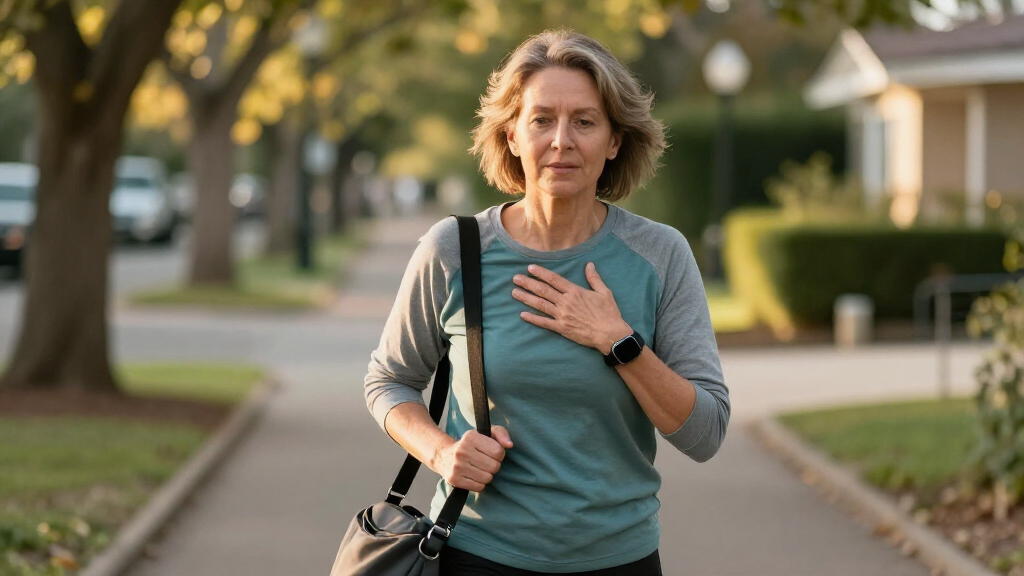
Cardiologist Roy Jogiya advises women not to assume that new chest discomfort, unexpected breathlessness or persistent irregular or racing heartbeats are menopause symptoms. The Fit&Well report says some symptoms require emergency help, while new or recurring changes should be assessed by a clinician.
A cardiologist has urged women going through menopause not to dismiss new chest discomfort, unusual breathlessness or persistent heart palpitations as hormonal symptoms alone. In a Fit&Well report, Dr Roy Jogiya, chief medical advisor at Heart Research UK, said these changes can warrant medical assessment, and some combinations of symptoms call for emergency care.
Jogiya identifies three symptoms to watch for: new chest pressure or discomfort, becoming breathless during familiar daily activities or exercise, and a racing or irregular heartbeat that persists. Chest-related symptoms may not resemble the severe pain commonly associated with a heart attack. Jogiya says women can also experience breathlessness, nausea, sweating, unusual fatigue, or discomfort in the jaw, back or upper abdomen. Some describe what feels like indigestion.
The report distinguishes symptoms that need emergency attention from those that should prompt a medical appointment. It advises calling emergency services if a heart attack is suspected, including when new chest discomfort occurs with sweating, nausea or breathlessness. Palpitations accompanied by chest pain, shortness of breath or faintness also call for emergency help. Severe breathlessness, collapse and signs of stroke are emergencies, Jogiya says. The report lists 911 in the United States and 999 in the United Kingdom.
For new or recurring symptoms that are not an immediate emergency, Jogiya recommends contacting a doctor. Examples include reduced exercise tolerance, recurring dizziness and unexplained breathlessness. He says a clinician may investigate palpitations with an electrocardiogram or portable heart monitor. The report also recommends checking blood pressure, cholesterol and blood sugar, alongside regular exercise and a heart-healthy eating pattern.
Recognizing Symptoms Beyond Hot Flashes
The report’s main point is practical: menopause symptoms and possible heart symptoms can overlap, so assuming a change is hormonal could delay an assessment. Palpitations, for example, can be associated with hormonal fluctuations, poor sleep, anxiety or hot flashes, and Jogiya says they are often harmless. But persistence, or palpitations alongside chest pain, breathlessness or faintness, changes the level of concern.
Jogiya says falling estrogen levels can be associated with changes in blood vessels and cholesterol, and that blood pressure, abdominal fat and insulin resistance may also change during menopause. He cautions that aging contributes too, so the report does not establish that menopause alone causes any one person’s heart symptoms. The takeaway is to discuss new or worsening symptoms with a health professional rather than self-diagnose.
He also identifies factors that may raise concern, including high blood pressure, diabetes, high cholesterol, smoking, obesity and a strong family history of early heart disease. A history of premature menopause, pre-eclampsia, gestational diabetes or pregnancy-related high blood pressure can also be relevant risk information to share with a clinician.
Products Worth Considering

Ring Alarm 8-Piece Kit (2nd Gen) Home Security System

Bose SoundLink Plus Portable Bluetooth Speaker, Black

Philips Hue Festavia 65-Foot Smart String Lights, 250 Color-Changing LEDs
As an affiliate, we earn on qualifying purchases.
Menopause and Cardiovascular Changes
Fit&Well presents the advice as guidance from cardiologist Roy Jogiya, not as the result of a new clinical study or a formal change to medical guidelines. The report says estrogen helps maintain healthy blood vessels and regulate cholesterol. As estrogen levels fall, LDL cholesterol can rise and blood pressure may increase; changes in abdominal fat and insulin resistance may occur as well. These changes can develop gradually, and the source notes that aging also plays a role.
The report recommends aiming for 150 minutes of moderate exercise each week, adding strength training, eating vegetables, whole grains, nuts and olive oil, and limiting saturated fat and salt. These are general prevention suggestions attributed to Jogiya; they are not a substitute for individualized medical care. The source does not provide study data or quantify how much these habits change an individual woman’s risk.
“Menopause isn’t just a reproductive milestone; it’s a cardiovascular one, too.”
— Dr Roy Jogiya, chief medical advisor at Heart Research UK, speaking to Fit&Well
When Symptoms Need Individual Assessment
The report does not give a publication date, cite specific research studies or offer a way to determine from symptoms alone whether a problem is hormonal, cardiac or caused by something else. It also does not quantify the added risk linked to menopause or the risk factors it lists. Symptoms vary between individuals, and the advice cannot diagnose a heart attack or rhythm disorder.
Jogiya says palpitations are common during menopause and often harmless, but the report does not define a duration that makes them persistent or set out a complete assessment protocol. It is also not clear from the source how its general exercise and diet recommendations should be adapted for people with existing conditions. Anyone with concerning symptoms should seek medical advice; suspected emergencies should be treated as emergencies rather than waiting for symptoms to become severe.
When to Contact a Clinician
For suspected heart attack symptoms, palpitations with chest pain, breathlessness or faintness, severe breathlessness, collapse or signs of stroke, the report advises calling emergency services. For new or recurring palpitations, unexplained breathlessness, reduced ability to exercise or recurrent dizziness, contact a doctor for an assessment. If symptoms have stopped but occurred with chest pain, breathlessness or faintness, Jogiya advises seeking urgent medical advice.
For ongoing prevention, the next steps described in the report are to check blood pressure, cholesterol and blood sugar and discuss relevant personal and pregnancy history with a health professional. Jogiya recommends regular moderate activity, strength training and a diet rich in vegetables and whole grains. The source does not announce a further study or policy change; its immediate guidance is to get symptoms assessed and address cardiovascular risk factors with clinical support.
Key Questions
Which three symptoms does the cardiologist say women should watch for?
Dr Roy Jogiya names new chest discomfort, unexpected breathlessness during familiar activities or exercise, and persistent racing or irregular heartbeats. These symptoms can have different causes and are not a diagnosis on their own.
When should someone call emergency services?
The report advises calling emergency services if a heart attack is suspected, including new chest discomfort with sweating, nausea or breathlessness. Palpitations with chest pain, shortness of breath or faintness, severe breathlessness, collapse and signs of stroke also call for emergency help.
Are palpitations during menopause always a sign of heart disease?
No. Jogiya says palpitations are common during menopause and often harmless; hormonal changes, disrupted sleep, anxiety and hot flashes can make the heartbeat more noticeable. Persistent or irregular palpitations, particularly with other concerning symptoms, should be assessed.
What checks and habits does the report recommend?
Jogiya recommends discussing symptoms with a clinician and checking blood pressure, cholesterol and blood sugar. His general suggestions include 150 minutes of moderate exercise a week, strength training, and a diet featuring vegetables, whole grains, nuts and olive oil, with less saturated fat and salt. Individual advice should account for a person’s health and circumstances.
Source: fitandwell.com