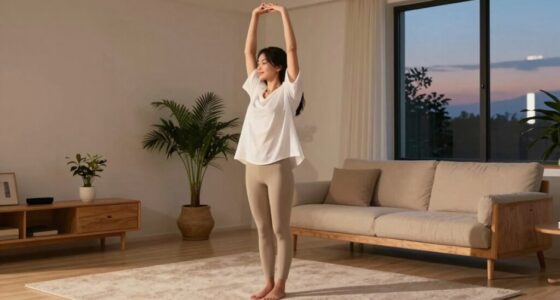

Relaxation often fails for you because your body and mind stay stuck in a cycle of stress, making simple techniques ineffective. Overdrive, tension, and chaos block true calming, and your stress response doesn’t automatically switch off. Mindfulness and other strategies require practice and consistency to work. If you keep exploring, you’ll discover effective ways to break free from this cycle and find genuine calm even when stress feels overwhelming.
Key Takeaways
- Chronic stress creates a persistent overdrive cycle, making it difficult for relaxation techniques to be effective.
- Lack of consistent practice or patience hampers the development of mindfulness skills needed for true relaxation.
- Physical and mental chaos interfere with the ability to fully engage in relaxation strategies.
- Stress triggers may be unconscious, preventing individuals from consciously activating relaxation responses.
- Overreliance on passive relaxation methods without addressing underlying stressors reduces their long-term effectiveness.
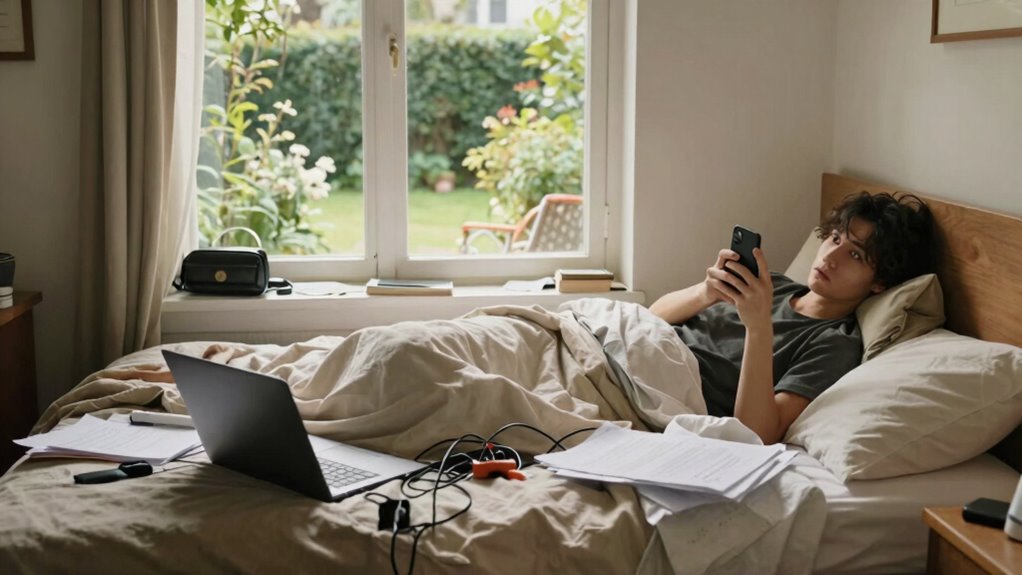
Even when you desperately need to unwind, relaxation often slips through your fingers instead of settling in. You might try to clear your mind or find a quiet moment, but the stress and tension linger, making it feel impossible to truly relax. This happens because your body and mind are caught in a cycle of overdrive, and simply wanting to relax doesn’t automatically turn off that stress response. Instead, you need intentional strategies that cut through the chaos, like mindfulness techniques and physical activities, which can help you regain control and find calm.
Mindfulness techniques are powerful tools, but they require practice and patience. When you’re overwhelmed, it’s tempting to dismiss mindfulness as just sitting still and thinking about nothing. But in reality, mindfulness involves actively paying attention to the present moment—your breath, your sensations, or even your thoughts—without judgment. It’s about grounding yourself in the now, rather than letting your mind race ahead or dwell on worries. By focusing on your breath or observing your surroundings with curiosity, you create a mental space that interrupts the cycle of stress. Over time, these practices can help you become more aware of your triggers and respond to them more consciously, rather than reacting impulsively. The key is consistency; mindfulness isn’t a quick fix but a skill that gradually builds resilience against stress. Incorporating mind-body awareness techniques can further deepen your relaxation and help your body respond more effectively to stress. Developing a regular routine that emphasizes stress management can also reinforce these calming habits and make relaxation more accessible during difficult moments. Additionally, understanding how your nervous system reacts to stress can empower you to choose the most effective calming strategies.
As an affiliate, we earn on qualifying purchases.
Frequently Asked Questions
How Do Stress and Anxiety Interfere With Relaxation Efforts?
Stress and anxiety can make relaxation difficult because they activate your body’s fight-or-flight response, making it hard to settle down. When you try mindfulness practices or breathing exercises, your mind may race or feel overwhelmed, preventing deep relaxation. Instead, focus on gentle, consistent breathing and simple mindfulness techniques. These help calm your nervous system gradually, allowing you to experience genuine relaxation even amidst ongoing stress or anxiety.
Can Physical Health Issues Prevent Effective Relaxation?
You might find it nearly impossible to relax if chronic pain or hormonal imbalances are at play. These health issues keep your body in a constant state of alertness, making relaxation feel out of reach. The pain signals or hormonal shifts disrupt your body’s natural calm, preventing true relaxation. Without addressing these underlying issues, achieving peace and calm can become an elusive goal, no matter how much you try to unwind.
What Role Does Mental Health Play in Relaxation Success?
Mental health greatly influences your ability to relax. If you face mindfulness barriers like racing thoughts or emotional resilience challenges, relaxing becomes harder. Your mind might resist calming efforts, making it tough to achieve true relaxation. Building emotional resilience helps you handle stress better, allowing relaxation techniques to work more effectively. Prioritizing mental health care, like therapy or mindfulness practices, can improve your success in relaxing when you need it most.
Why Do Some Relaxation Techniques Feel Ineffective or Counterproductive?
Relaxation techniques can sometimes feel like trying to hold water in your hands—slippery and elusive. You might be battling relaxation myths that tell you it should be effortless, leading to frustration. Overcoming resistance is key; when your mind resists, it’s like trying to quiet a storm with a whisper. Instead, shift your approach, focus on small wins, and give yourself patience, turning the tide toward genuine calm.
How Can I Identify When I Really Need Professional Help Instead of Self-Relaxation?
You should seek professional help when your self-awareness reveals persistent emotional triggers that relaxation techniques can’t ease. If you notice ongoing feelings of anxiety, sadness, or overwhelm despite trying self-relaxation, it’s a sign you need expert support. Trust your instincts—when self-care no longer provides relief or feels insufficient, reaching out to a mental health professional can help you develop effective coping strategies and address underlying issues.
stress relief essential oil diffuser
As an affiliate, we earn on qualifying purchases.
As an affiliate, we earn on qualifying purchases.
Conclusion
So, next time you find yourself desperately needing rest but feeling more stressed, remember—you’re not alone. Sometimes, the very act of relaxing feels just out of reach, hiding a deeper challenge. But what if the key isn’t in trying harder to unwind? The answer might be closer than you think, waiting to release a new way to find peace—if you’re willing to take that first step and discover what truly lies beneath your stress.
guided breathing exercises for stress
As an affiliate, we earn on qualifying purchases.
As an affiliate, we earn on qualifying purchases.
As an affiliate, we earn on qualifying purchases.