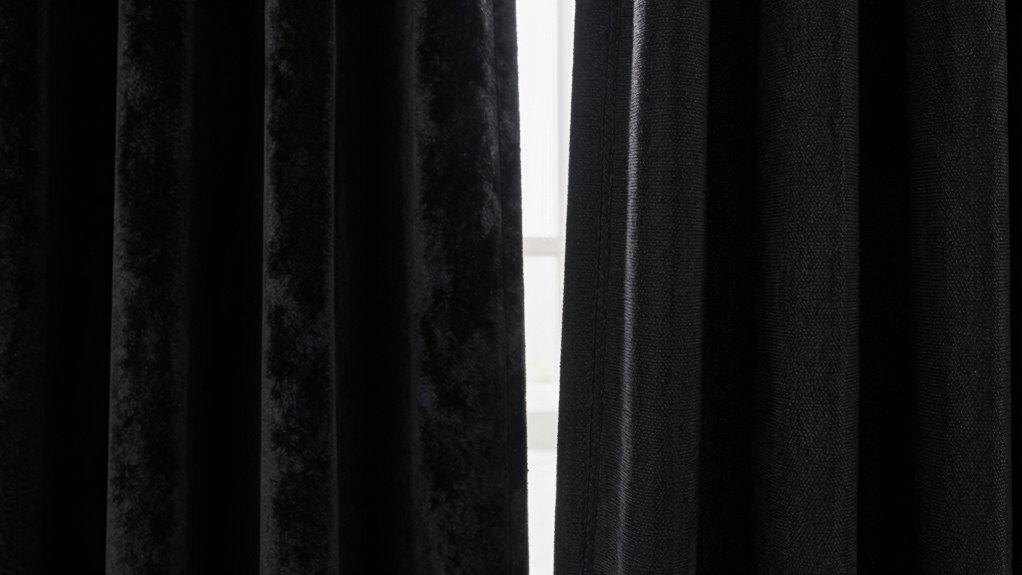

Blackout curtains mainly block out light to help you sleep better, while soundproof curtains are designed to reduce external noise. Blackout curtains are made from dense fabrics and trap heat, adding insulation and style. Soundproof curtains, often thicker and layered with special materials, dampen sound vibrations. If you’re trying to improve sleep or block out light, blackout curtains are ideal. For noise reduction, soundproof options work best—keep exploring to learn about combining these features for a versatile solution.

Get comfort and recovery gear delivered free — and shop member deals
- Fast, free delivery on millions of items
- Access to Prime Big Deal Days deals on October 6–7
- Prime Video, Amazon Music and more included
Key Takeaways
- Blackout curtains block light and improve insulation, while soundproof curtains reduce external noise and dampen sound vibrations.
- Blackout curtains are made from dense fabrics primarily for light control; soundproof curtains include additional sound-absorbing layers.
- Soundproof curtains are generally heavier and prioritize noise reduction over aesthetic appeal.
- Hybrid curtains combine both blackout and soundproof features for multi-purpose room control.
- Understanding each curtain’s material and purpose helps choose the right option for your needs.
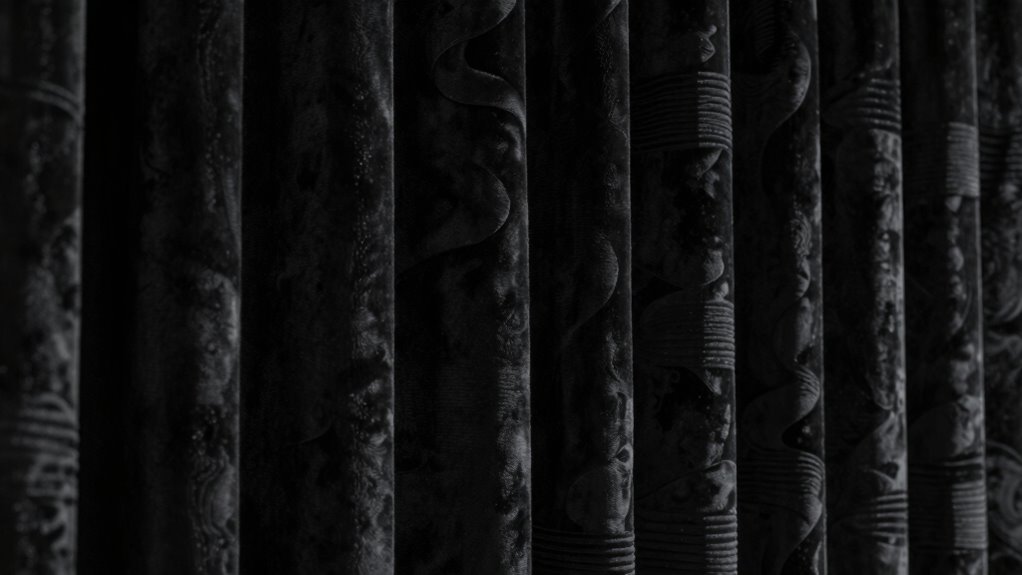
When choosing curtains to improve your sleep or reduce noise, it’s important to understand the difference between blackout curtains and soundproof curtains. While both serve to create a quieter, more restful environment, they are designed for different purposes and have distinct features. Blackout curtains mainly focus on blocking out light, but they also offer benefits like thermal insulation and aesthetic appeal. They are made from dense, tightly woven fabrics that prevent light from passing through, helping you sleep longer and more peacefully during the day or in bright environments. These curtains can also trap heat, maintaining a comfortable temperature in your room, especially during colder months. Their thick fabric not only improves thermal insulation but also adds a sleek, stylish look to your space, enhancing your room’s overall aesthetic appeal. Additionally, some blackout curtains incorporate soundproofing features, making them a versatile option for multiple needs. Soundproof curtains, on the other hand, are engineered specifically to reduce noise. They are often constructed with additional sound-absorbing layers or materials like mass-loaded vinyl or specialized acoustic fabrics. Their primary goal is to dampen sound waves as they pass through, making them effective at decreasing external noise from traffic, neighbors, or other sources. Unlike blackout curtains, soundproof curtains typically have a heavier, more substantial feel due to their layered design, which helps absorb sound vibrations rather than just blocking light. While they do provide some thermal benefits, their main strength lies in noise reduction, and they might not be as effective at blocking out light or providing aesthetic versatility.
Furthermore, it’s essential to recognize that these curtains aren’t mutually exclusive. Some products combine features of both, offering blackout capabilities with added soundproofing qualities. If your priority is sleeping undisturbed by both light and noise, investing in such a hybrid option might make sense. However, if you mainly want to darken a room for better sleep, blackout curtains are the way to go. Conversely, if noise is your biggest concern, dedicated soundproof curtains will serve you better. Understanding the materials used in curtains can also help you make a more informed decision tailored to your needs. Additionally, researching the different types of fabrics can guide you in selecting the most effective option for your specific noise and light control needs.
As an affiliate, we earn on qualifying purchases.
Frequently Asked Questions
Can Blackout Curtains Also Improve Sound Insulation?
Blackout curtains can offer some sound insulation, but they’re not as effective as soundproof curtains. They primarily block light and improve design aesthetics, which enhances your space’s look. If soundproofing is your goal, invest in curtains specifically designed for noise reduction, considering cost considerations. While blackout curtains might slightly reduce noise, for significant soundproofing, choose curtains made with dense, specialized materials.
Are Soundproof Curtains Suitable for Blocking Light?
Sure, soundproof curtains can block light, but they’re not the best for total darkness. Think of them as versatile actors—offering decorative options with material differences that make them suitable for light control, but not complete blackout. They excel in reducing noise, yet their fabrics often lack the dense layers needed for full light blocking. If darkness is your goal, blackout curtains might be a better fit, while soundproof curtains shine in noise reduction.
Which Curtain Type Is Better for Energy Efficiency?
You should choose blackout curtains for better energy efficiency. They provide superior thermal insulation, helping keep your room warmer in winter and cooler in summer. By reducing heat transfer, blackout curtains promote energy conservation, lowering your heating and cooling costs. Soundproof curtains, on the other hand, focus mainly on noise reduction and aren’t as effective at insulating against temperature changes. For maximum energy savings, blackout curtains are your best option.
How Do Installation Methods Differ for Both Curtains?
You’ll find that installation methods differ mainly in mounting options and complexity. Blackout curtains often use simple rod or track mounting, making installation straightforward and quick. Soundproof curtains may require more secure mounting options, like wall brackets or heavier tracks, increasing installation complexity. You might need to drill or adjust existing fixtures, so plan for a slightly more involved process. Overall, blackout curtains are generally easier to install than soundproof curtains.
Do These Curtains Require Special Maintenance or Cleaning?
Think of your curtains as loyal guardians—sturdy yet needing care. You won’t need to give them a spa day often; a gentle fabric refresh every few months usually does the trick. Focus on fabric durability, choosing curtains with strong materials, and avoid harsh cleaners to preserve their magic. Regular vacuuming or spot cleaning keeps them pristine, ensuring they’re always ready to block out light or sound and stand the test of time.
soundproof curtains for noise reduction
As an affiliate, we earn on qualifying purchases.
As an affiliate, we earn on qualifying purchases.
Conclusion
Remember, blackout curtains and soundproof curtains are like two sides of the same coin, each designed to serve a different purpose. While blackout curtains block out light like a night owl in a cave, soundproof curtains act as a fortress against noise. Knowing the difference helps you choose the right curtain for your needs. Think of them as your home’s silent guardians—each doing their job, so your space stays just the way you want it, whether in darkness or silence.
hybrid blackout soundproof curtains
As an affiliate, we earn on qualifying purchases.
As an affiliate, we earn on qualifying purchases.
thermal insulated blackout curtains
As an affiliate, we earn on qualifying purchases.
As an affiliate, we earn on qualifying purchases.
Fall Picks
fall essentials
As an affiliate, we earn on qualifying purchases.