
Indoor air quality monitors are useful when you want to identify pollutant levels, humidity, and VOCs, helping you detect issues and assess if ventilation or filters need improvement. However, they can give false alarms, miss some gases like carbon monoxide or radon, and only provide snapshot data. Proper use, calibration, and understanding their limits are key. Keep exploring to discover how to get the most out of your air quality monitoring tools.

Get comfort and recovery gear delivered free — and shop member deals
- Fast, free delivery on millions of items
- Access to Prime Big Deal Days deals on October 6–7
- Prime Video, Amazon Music and more included
Key Takeaways
- Indoor air quality monitors are useful for identifying pollutant levels, humidity, and VOCs to improve overall air safety.
- They are limited by potential false alarms and may not detect gases like carbon monoxide or radon without specific sensors.
- Proper calibration and understanding device limitations are essential to avoid misinterpretation of data.
- Monitors should be used alongside ventilation and filter maintenance for comprehensive indoor air quality management.
- They provide valuable snapshots but are not reliable for continuous monitoring or detecting all harmful pollutants.
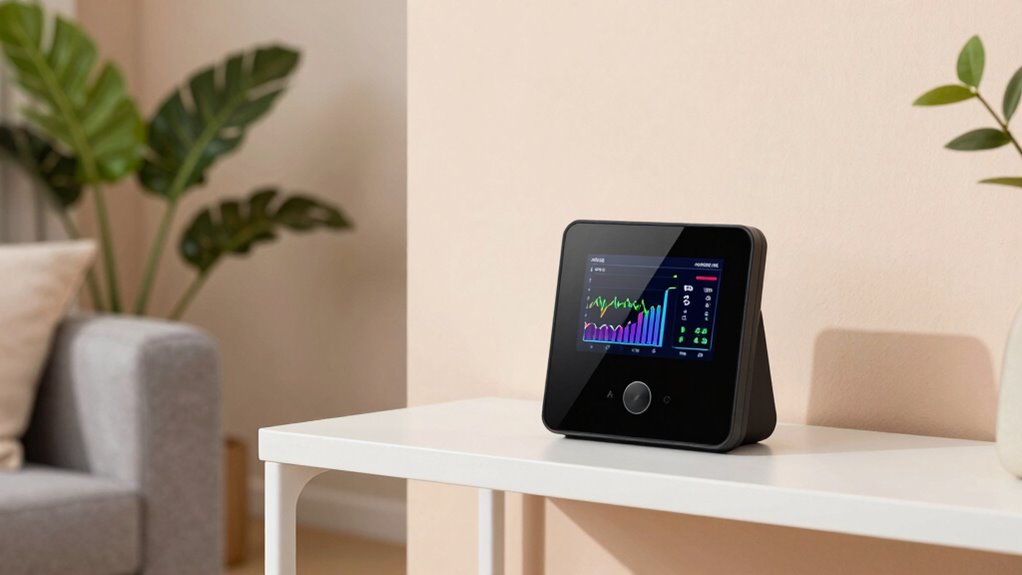
Have you ever wondered how pristine the air inside your home truly is? Indoor air quality monitors can give you some insight, but they’re not a one-size-fits-all solution. These devices often measure levels of pollutants, humidity, and volatile organic compounds, helping you identify potential issues. However, their usefulness depends on your specific situation and how you interpret the data. When the monitor detects high levels of certain pollutants, it can prompt you to improve air filter maintenance or increase ventilation effectiveness. Regularly changing your filters ensures that your HVAC system functions efficiently and prevents dust, mold, and allergens from recirculating. An air quality monitor can confirm whether your efforts are paying off or if you need to take further steps.
Indoor air quality monitors offer insights but require proper interpretation and complementary habits for effective home health.
That said, these monitors aren’t perfect. They can sometimes give false alarms or miss particular pollutants, especially if the device isn’t calibrated properly or isn’t designed to detect certain harmful substances. For example, some monitors might measure particulate matter well but fail to identify gases like carbon monoxide or radon unless specifically equipped. This means that relying solely on an indoor air quality monitor might leave gaps in your understanding of your home’s air safety. It’s also important to remember that an air quality monitor provides a snapshot in time, which means it might not reflect fluctuations throughout the day or during different seasons. Indoor air quality monitoring can be especially beneficial when used alongside other assessment methods. Additionally, understanding the limitations of these devices can help you make more informed decisions about your indoor environment.
Furthermore, considering how often your indoor air quality changes can influence how you interpret the data from your monitor. Regularly checking for calibration accuracy and selecting monitors capable of detecting a broad range of pollutants can enhance their effectiveness. In many cases, these monitors are most useful as part of a broader strategy. If you notice persistent issues like musty odors or allergy symptoms, an air quality monitor can help you pinpoint the problem areas. But if your home has poor ventilation or if you’ve neglected air filter maintenance, the monitor’s data might not tell the full story. Improving ventilation effectiveness—by opening windows, using exhaust fans, or installing air purifiers—can considerably impact indoor air quality. Ventilation strategies can then help you see whether these changes are actually making a difference. It’s also helpful to consider proper calibration and choosing monitors that can detect a wide range of pollutants for more accurate assessments. Ultimately, understanding the limitations of these devices is crucial to avoid over-reliance on their readings.
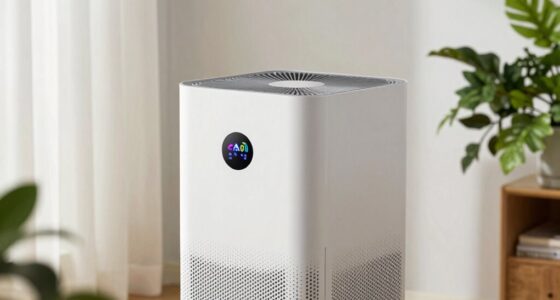
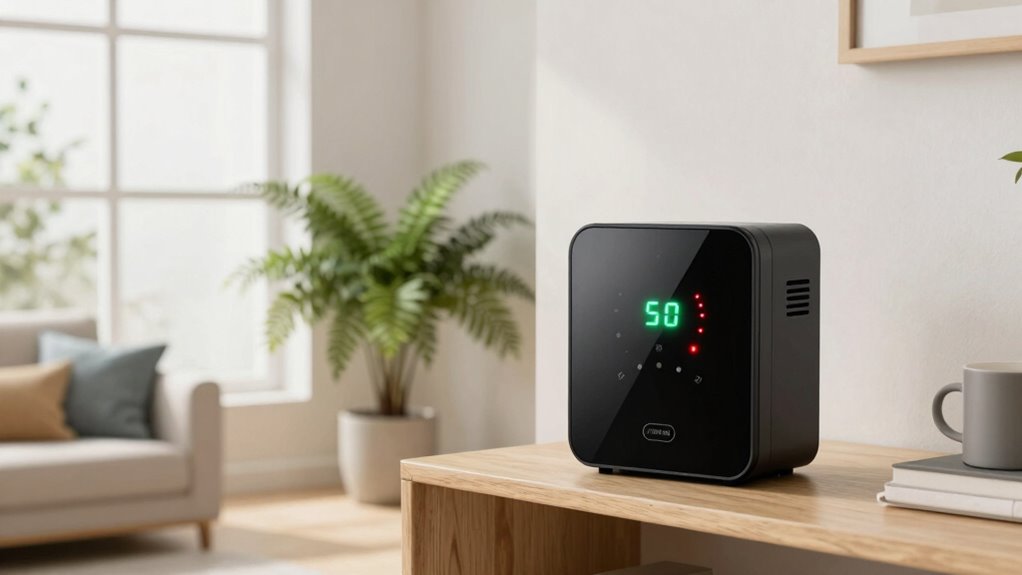
indoor air quality monitor with VOC sensor
As an affiliate, we earn on qualifying purchases.
As an affiliate, we earn on qualifying purchases.
Frequently Asked Questions
How Accurate Are Consumer-Grade Indoor Air Quality Monitors?
Consumer-grade indoor air quality monitors can be fairly accurate, but their data accuracy depends heavily on sensor calibration. Over time, sensors drift and may need recalibration to maintain reliability. While they offer useful insights for everyday use, keep in mind that they might not match professional-grade monitors. Regular calibration and understanding their limitations can help you get the most accurate readings for your indoor environment.
Can These Monitors Detect All Types of Indoor Pollutants?
Indoor air quality monitors can’t detect all types of pollutants due to pollutant diversity and detection limitations. They mostly identify common indoor pollutants like VOCs, particulate matter, and carbon dioxide, but may miss others like certain gases or biological contaminants. If you’re concerned about specific pollutants, check whether the monitor’s sensors are designed for those. Remember, no monitor offers complete coverage, so supplement measurements with regular ventilation and testing when needed.
How Often Should I Calibrate My Air Quality Monitor?
Imagine you’re in a space age, and your air quality monitor needs a tune-up. You should calibrate your sensor calibration every few months, or according to the manufacturer’s instructions, to guarantee accurate pollutant detection. Regular calibration keeps your monitor reliable, especially if you’re tracking specific pollutants. Check the device’s manual for recommended intervals, and consider calibration more frequently if you notice readings drifting or if environmental conditions change.
Do Air Quality Monitors Require Professional Installation?
No, air quality monitors typically don’t require professional setup. Most models have straightforward installation requirements, like placing them in a central, well-ventilated spot away from direct airflow or sources of pollution. However, if you opt for advanced systems or integrated setups, you might need professional installation to confirm proper calibration and functionality. Always check your device’s instructions for specific installation guidelines to guarantee accurate readings.
Are There Smartphone Apps to Analyze Indoor Air Quality Data?
Using a smartphone app to analyze indoor air quality is like having a personal air detective in your pocket. Many monitors offer smartphone integration, letting you view data easily. These apps provide real-time alerts, so you can act quickly if air quality drops. They often display trends and allow you to customize settings, making it simple to stay on top of your home’s air health without needing extra equipment or expertise.
carbon monoxide and radon detector
As an affiliate, we earn on qualifying purchases.
As an affiliate, we earn on qualifying purchases.
Conclusion
So, next time you’re quietly monitoring your indoor air, remember—you’re obsessively tracking pollutants while neglecting the real culprit: your unwashed, well-loved sofa that’s probably hiding more dirt than the air itself. Ironically, your high-tech monitor might be alerting you to tiny particles while you ignore the dust bunnies dancing on your neglected floors. Sometimes, the biggest health risks are hiding in plain sight, right under your nose—or right on your favorite chair.
air quality monitor for home use
As an affiliate, we earn on qualifying purchases.
As an affiliate, we earn on qualifying purchases.
As an affiliate, we earn on qualifying purchases.
Fall Picks
fall essentials
As an affiliate, we earn on qualifying purchases.