
TL;DR

Get comfort and recovery gear delivered free with Prime
- Fast, free delivery on millions of items
- Prime Video, Amazon Music and more included
- Member-only deals all year
Fit&Well reports that physical therapist Erin Cannon recommends thread the needle, banded shoulder external rotations and shoulder CARs as mobility exercises for maintaining shoulder range of motion. Cannon suggests two to three sets of five to 10 repetitions, three times a week, while advising people with injuries or mobility concerns to speak with a doctor first.
Physical therapist Erin Cannon recommends three mobility exercises—thread the needle, banded shoulder external rotations and shoulder CARs—for people looking to maintain shoulder movement as they age. In a Fit&Well report, Cannon, of Hackensack Meridian JFK Johnson Rehabilitation Institute, says the exercises can help maintain range of motion and encourage circulation around the joint; the report does not cite research establishing that they prevent injury or protect joints for everyone.
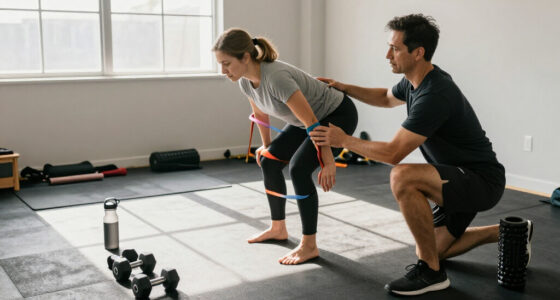
The exercises require an exercise mat and resistance band. Cannon’s general suggestion is two to three sets of five to 10 repetitions, three times per week, with repetitions on each side where applicable. The report says the right amount can differ from person to person and advises people who have just started exercising regularly to begin at the lower end and build gradually.
For thread the needle, start on hands and knees. Rotate the torso, reach one arm upward, then pass it underneath the body so the shoulder approaches the mat; repeat on both sides. Cannon’s form guidance is to avoid excessive rounding or arching of the back and keep the core engaged.
For banded external rotations, stand with feet hip-width apart, elbows bent and held close to the sides, and pull the band apart by rotating the shoulders outward. For shoulder CARs—controlled articular rotations—slowly circle one arm through its comfortable range, then reverse direction and switch sides. Cannon advises keeping the torso steady and avoiding back arching. The Fit&Well report says to consult a doctor before trying the exercises if you have an injury or mobility concern.
How the Moves Fit Daily Shoulder Care
Shoulder discomfort can make routine tasks such as getting dressed or putting away shopping harder, according to the report. Mobility work offers a structured way to move the joint through a range of positions, while the external-rotation exercise adds resistance from a band. Cannon presents the moves as options to help maintain movement, not as a guaranteed way to prevent shoulder problems.
The practical takeaway is to focus on controlled, comfortable movement and consistent form, rather than forcing a larger range. The report provides a general routine, not an individualized assessment. People who experience pain, have a known injury, or are unsure whether an exercise is suitable should seek professional guidance before continuing.
Products Worth Considering

Philips Hue Festavia Globe Outdoor String Lights, 32 Bulbs, 91 ft

Philips Hue Festavia 130-Foot Indoor/Outdoor Smart String Lights, 500 LEDs

Philips Hue Bridge Pro Smart Lighting Hub
As an affiliate, we earn on qualifying purchases.
The Therapist’s Exercise Guidance
The Fit&Well article frames the recommendations around changes in shoulder mobility with age and the role of regular movement. It also notes that strengthening muscles around the joint may help avoid injury, but the supplied report does not provide specific research citations or quantify an effect for these three exercises.
Cannon’s advice combines mobility, light resistance and controlled shoulder circles. Her suggested schedule—two to three sets of five to 10 repetitions three times weekly—is described as a general standard, not a requirement or a prescription for every reader. The report also emphasizes an upright posture and keeping movements within a comfortable range.
“A general standard to follow could be two to three sets of five to 10 reps, three times per week.”
— Erin Cannon, physical therapist at Hackensack Meridian JFK Johnson Rehabilitation Institute, as quoted by Fit&Well
Limits of the Exercise Recommendations
The supplied report does not give a publication date, describe a clinical trial, or provide evidence that these three moves prevent injury or protect shoulder joints across the general population. It reports Cannon’s professional recommendations and intended benefits, including maintaining range of motion and encouraging circulation; those benefits should not be read as guaranteed outcomes.
It is also unclear how the routine should be adjusted for particular conditions, pain levels or different fitness abilities. Cannon’s repetition range is general guidance, and the article says individual needs vary. Anyone with an injury or mobility concern is advised to speak with a doctor before attempting the exercises.
Start Gradually and Check Your Form
Readers who decide to try the routine can begin with fewer repetitions, remain within a comfortable range and increase gradually if the movements feel manageable. The report advises maintaining an upright posture, engaging the core and avoiding excessive movement through the lower back. It does not set out a separate progression plan or specify how long someone should follow the routine before reviewing it.
People with existing shoulder problems should ask a doctor or qualified physical therapist whether the exercises are appropriate for them. Any further guidance would depend on an individual’s symptoms and mobility; the supplied source does not announce additional research or a follow-up from Cannon.
Key Questions
Which three shoulder mobility exercises does the therapist recommend?
Physical therapist Erin Cannon recommends thread the needle, banded shoulder external rotations and shoulder CARs, according to Fit&Well.
How often does the report suggest doing them?
Cannon suggests a general routine of two to three sets of five to 10 repetitions, three times per week. She says the appropriate amount can vary, and beginners should start at the lower end and build gradually.
What equipment is needed?
The exercises call for an exercise mat and resistance band. Thread the needle and shoulder CARs do not require the band, but the external-rotation exercise does.
Should someone with shoulder pain try these moves?
The report advises speaking with a doctor before attempting the exercises if you have an injury or mobility concern. The recommendations are general and do not replace individualized professional advice.
Source: fitandwell.com