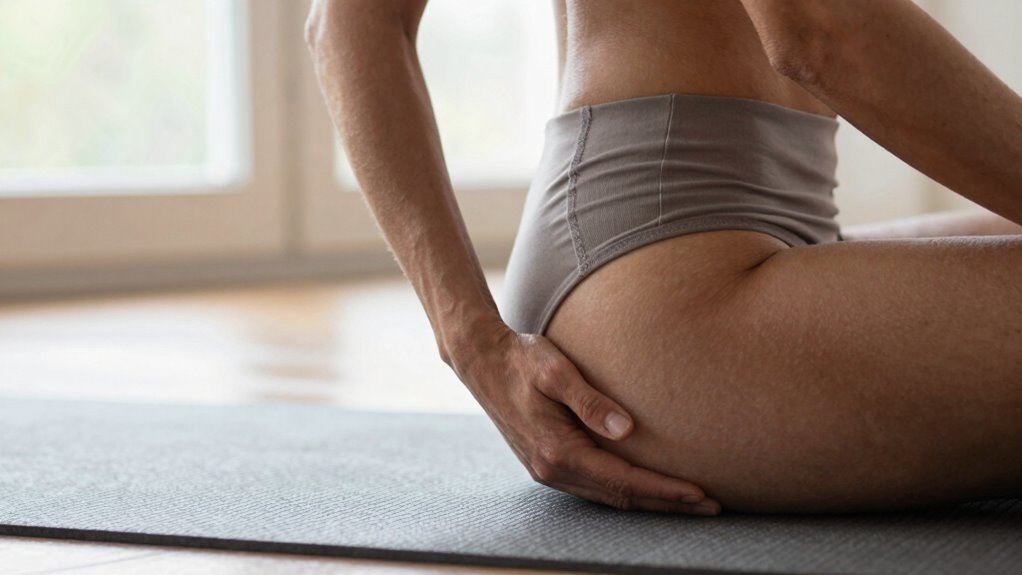
Tight hips don’t always need more stretching because imbalance, joint stiffness, or movement issues could be the real cause. Over-stretching can weaken muscles and create instability, increasing injury risk. Instead, focusing on controlled mobility exercises and restoring proper movement patterns can be more effective. Addressing underlying factors like muscle strength and joint health is key. To learn how a holistic approach can help, keep going — there’s more to discover.

Get comfort and recovery gear delivered free — and shop member deals
- Fast, free delivery on millions of items
- Access to Prime Big Deal Days deals on October 6–7
- Prime Video, Amazon Music and more included
Key Takeaways
- Tight hips may result from joint stiffness or movement patterns, not muscle shortness, making stretching less effective.
- Over-stretching can weaken muscles and create imbalances, increasing injury risk instead of improving mobility.
- Improving hip mobility often requires controlled, functional movements rather than static stretching alone.
- Addressing underlying issues like muscle imbalances and joint health is crucial for lasting hip flexibility.
- A holistic approach combining strengthening, mobility drills, and movement correction reduces tightness more effectively than stretching.
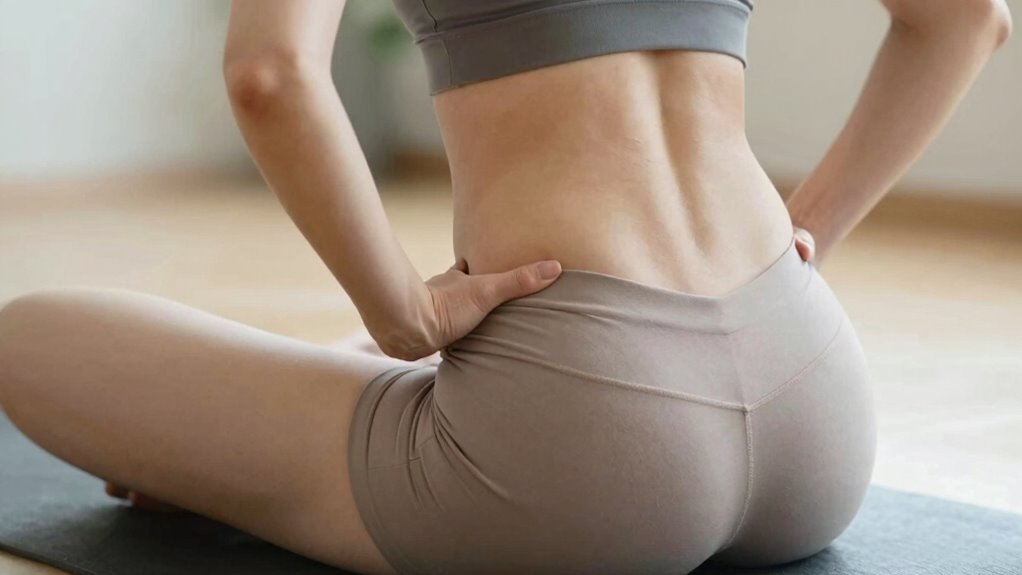
Tight hips are a common complaint, but sometimes stretching isn’t the solution you need. Many people believe that the best way to fix tight hips is to stretch constantly, but the truth is, this approach can sometimes do more harm than good. Instead, you should focus on improving your hip mobility—the ability of your hips to move freely through their full range of motion. When you understand the difference between stretching and mobility work, you’ll realize that flexibility isn’t just about elongating muscles; it’s about allowing joints to move properly.
Stretching myths can lead you astray. For years, many believed that more stretching automatically equals better hip flexibility. But that’s not always true. Over-stretching can weaken muscles or cause imbalances, which ultimately makes your hips less stable and more prone to injury. If your hips feel tight, it might not be because your muscles are too short. Sometimes, the real issue is joint stiffness, poor movement patterns, or muscle weakness that limits your hip function. Simply stretching without addressing these underlying factors can be ineffective or even counterproductive.
Over-stretching can weaken muscles and cause imbalances, making hips less stable and more injury-prone.
Instead of just reaching for your stretching routine, consider working on your hip mobility through controlled, functional movements. Exercises like hip circles, leg swings, and gentle mobility drills can help your hips move more freely. These movements aren’t about holding stretches for long periods; they’re about actively moving your joints through their natural range, which can free tightness more effectively. When your hips move better, you’ll notice less discomfort, improved posture, and increased strength in addition to improved flexibility. Additionally, understanding that joint health plays a crucial role in flexibility can guide you to more effective solutions. Incorporating mobility exercises can also prevent future tightness by promoting healthy movement patterns. Recognizing that muscle balance is key to proper hip function can help you develop a more comprehensive approach to addressing tight hips. It’s also beneficial to address potential muscle imbalances that may contribute to joint stiffness and tightness, ensuring a more holistic recovery and maintenance plan.
It’s also important to recognize that tight hips aren’t always a sign that you need to stretch more. Sometimes, muscle tightness is a protective response to imbalance or injury. Your body tightens up to guard itself, not because it needs more stretching. Addressing the real cause involves strengthening weak muscles, correcting movement patterns, and possibly incorporating foam rolling or myofascial release. This holistic approach helps restore proper function, which ultimately reduces the need for excessive stretching.
As an affiliate, we earn on qualifying purchases.
Frequently Asked Questions
Can Tight Hips Cause Lower Back Pain?
Yes, tight hips can cause lower back pain. When your hip mobility is limited, it forces your lower back to compensate, leading to strain and discomfort. Instead of just relying on stretching routines, focus on strengthening your hip muscles and improving mobility. Proper movement patterns and targeted exercises can help reduce back pain caused by tight hips, rather than solely stretching, which might not address the root issue.
How Do I Know if My Hips Are Truly Tight?
Are your hips truly tight, or is something else lurking? You might notice limited hip mobility, difficulty moving comfortably, or persistent discomfort. These signs often stem from muscle imbalance rather than actual tightness. To be sure, test your flexibility with simple stretches or consult a professional. Don’t assume more stretching will fix it—identifying whether imbalance or genuine tightness exists is key to proper treatment.
Are There Risks to Overstretching My Hips?
Overstretching your hips can lead to injuries, joint instability, and decreased hip flexibility over time. Stretching dangers include overstressing muscles and ligaments, which may cause pain or strain. You should avoid pushing beyond your pain threshold and focus on gentle, controlled movements. If you experience discomfort, it’s best to consult a professional. Proper stretching helps improve hip flexibility safely, but overdoing it can do more harm than good.
What Alternative Treatments Help Tight Hips?
You can enhance hip mobility with gentle exercises like yoga, pilates, or targeted strengthening. Instead of stretching, focus on functional movements that build stability and promote proper posture. These treatments help loosen tight hips safely without risking overstretching. Consistent, controlled, and cautious exercises encourage better flexibility, reduce pain, and improve overall movement, making them excellent alternatives to aggressive stretching routines.
How Long Does It Take to See Improvement?
You might see improvements in hip flexibility within a few weeks, but it varies based on your stretching duration and consistency. If you stick to a regular routine, you could notice less tightness and better mobility in about 2 to 4 weeks. Remember, patience is key. Overdoing stretching can cause setbacks, so focus on gradual progress and listen to your body to optimize your stretching duration and results.
As an affiliate, we earn on qualifying purchases.
Conclusion
Remember, relieving tight hips isn’t always about more stretching. Sometimes, strength, stability, and smart strategies are the secret solutions. Don’t plunge into deep stretches blindly—balance, breathe, and be mindful of your body’s signals. By blending balance with better biomechanics, you’ll break free from the bind of tightness. So, step back, strategize, and seek smarter solutions—your hips will thank you for it!
As an affiliate, we earn on qualifying purchases.
joint health and mobility products
As an affiliate, we earn on qualifying purchases.
As an affiliate, we earn on qualifying purchases.
Fall Picks
fall essentials
As an affiliate, we earn on qualifying purchases.