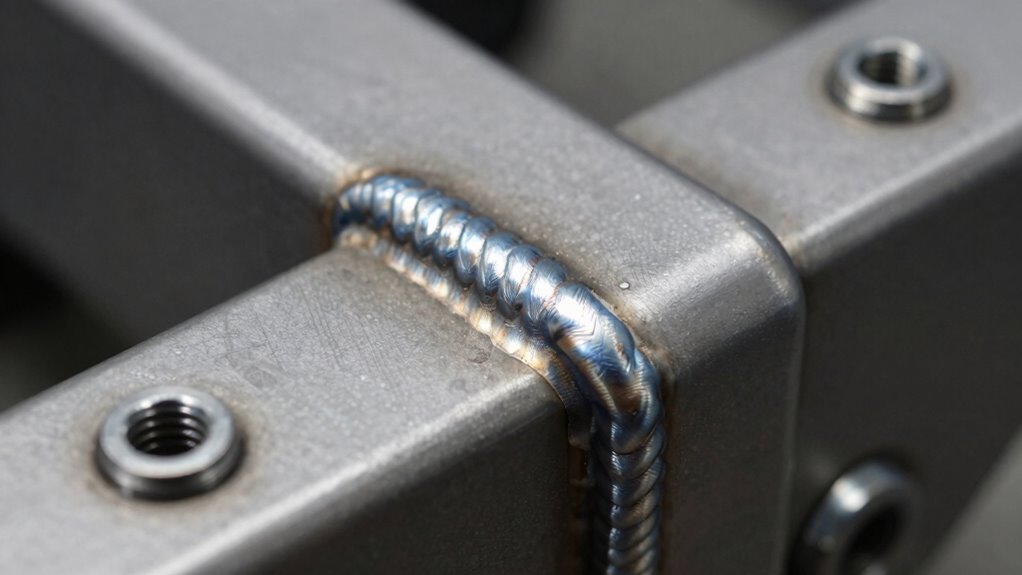

Look for signs of precise craftsmanship, like smooth edges, tight seams, and aligned parts, which show careful manufacturing. Choose products made from durable materials, such as hardwoods or high-quality metals, that resist environmental stresses. Heavier items often suggest stronger, thicker materials that can withstand wear. Smart designs with reinforced areas or protective coatings also add longevity. Brands that offer easy repairs, replacement parts, and solid warranties usually build products meant to last. Keep exploring to uncover even more clues that indicate durability.

Get comfort and recovery gear delivered free with Prime
- Fast, free delivery on millions of items
- Prime Video, Amazon Music and more included
- Member-only deals all year
Key Takeaways
- Look for precise, smooth finishes and consistent seams indicating careful craftsmanship and quality standards.
- Use of durable materials like hardwoods, stainless steel, or heavy-duty fabrics suggests long-lasting products.
- Heavier weight and higher density often indicate thicker, sturdier components built to withstand wear.
- Design features such as reinforced corners, protective coatings, and stress-reducing engineering enhance durability.
- Reputable brands offering repairability, spare parts, and warranties signal a focus on product longevity.
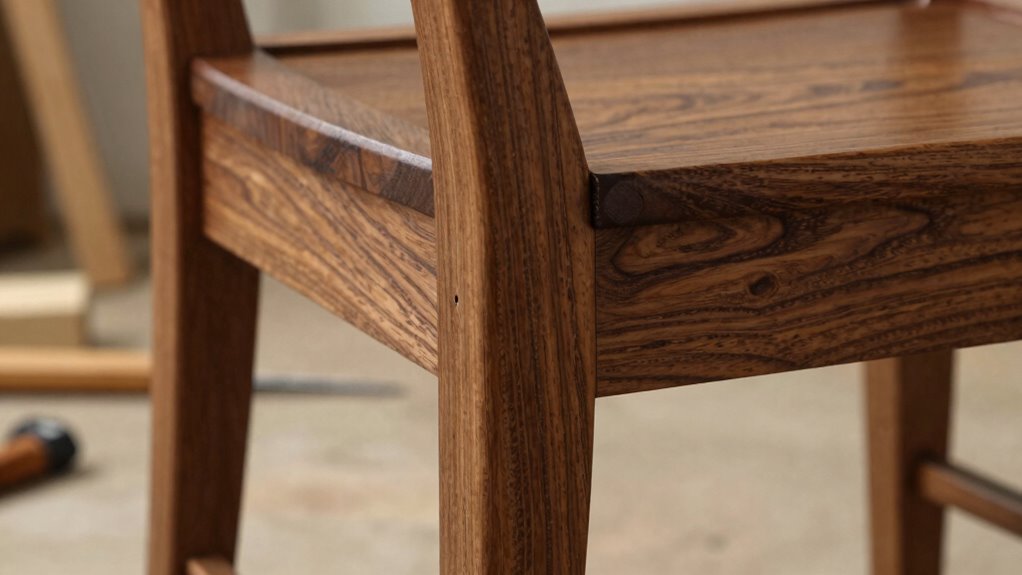
When shopping for durable products, paying attention to certain clues can help you choose items that will last longer. One of the most reliable indicators is manufacturing quality. Well-made products typically have precise, smooth finishes with no rough edges or visible flaws. Look closely at seams, joints, and welds—these should be tight and consistent, not uneven or rushed. A product built with care often reflects a company’s commitment to quality, so don’t overlook small details like uniform stitching or properly aligned parts. Manufacturing quality directly influences how well a product can withstand daily wear and tear, making it a key factor in longevity. Additionally, inspecting for consistent manufacturing standards can help you identify products that meet quality benchmarks. Another essential clue is material durability. The materials used in a product determine how it responds to environmental stresses, such as moisture, heat, or friction. For example, if you’re buying furniture, opt for hardwoods like oak or maple rather than cheaper pressed woods, which tend to warp or crack over time. For electronics or appliances, check the type of plastics and metals used—high-quality metals like stainless steel or aluminum are more resistant to corrosion and damage. When it comes to clothing, fabrics such as heavy-duty canvas or premium wool tend to be more resilient than lightweight, synthetic fibers. By understanding the characteristics of the materials, you can better predict how long a product will last under typical usage. The weight and density of the product can also serve as clues to its durability. Heavier items often indicate the use of thicker or sturdier materials, which tend to hold up better over time. For instance, a heavy-duty toolbox made from thick steel is likely to withstand impacts, while a lightweight version might be more susceptible to dents and dents. Similarly, a thick, well-padded handle on a gardening tool suggests it’s built for strength and endurance, not just aesthetics. Moreover, paying attention to product design can reveal how thoughtfully a product was engineered for longevity, with features that reduce stress points or enhance durability. A well-designed product often incorporates durability features such as reinforced corners or protective coatings, which further extend its lifespan. Additionally, considering the repairability of a product can be a valuable clue—products that are easier to repair tend to last longer because they can be maintained and restored over time. Looking into after-sales support and availability of replacement parts can also provide insight into how committed a brand is to the longevity of their products. Finally, pay attention to the brand reputation and warranty offered. Reputable manufacturers usually invest more in manufacturing quality and material selection, ensuring their products are built to last. A lengthy warranty signals confidence in the durability of the product, giving you added assurance that it’s designed for long-term use. When you combine all these clues—manufacturing quality, material durability, weight, and brand reputation—you greatly improve your chances of selecting a product that will stand the test of time. Being observant and informed makes all the difference in making a smart, lasting investment.
As an affiliate, we earn on qualifying purchases.
Frequently Asked Questions
How Do I Test the Durability of a Product Before Buying?
To test a product’s durability before buying, focus on durability testing methods like inspecting build quality and asking about material strength. You can also look for reviews that mention product lifespan and how well it holds up over time. Check if the manufacturer offers warranties or guarantees, which indicate confidence in durability. Handling the product physically can give you a sense of its robustness, helping you decide if it will last longer.
Do Brand Reputation and Reviews Predict Product Longevity?
Yes, brand reputation and reviews often predict a product’s longevity. When you see consistent positive customer feedback, it shows a strong track record of durability, fueling brand loyalty. Look for detailed reviews that mention how well the product holds up over time. Brands with high customer satisfaction usually invest in quality, so trusting reputable brands backed by reliable reviews increases your chances of choosing a long-lasting product.
Are There Specific Materials That Indicate a Longer-Lasting Product?
Think of materials like the armor protecting a knight; higher quality materials shield your product from wear and tear. When you see products made from durable metals, reinforced plastics, or natural fibers, it signals better material quality. Coupled with strict manufacturing standards, these materials guarantee longevity. So, check for robust, well-crafted components—these clues hint your purchase is built to stand the test of time.
How Does Maintenance Affect the Lifespan of a Product?
Maintenance considerably affects a product’s lifespan by reducing wear and tear through preventive care. When you regularly clean, inspect, and address minor issues early, you prevent small problems from escalating into major damage. This proactive approach keeps parts functioning properly, extends the product’s durability, and delays the need for replacement. Consistent maintenance not only preserves performance but also maximizes the overall value and longevity of your investment.
Can Warranty Length Reliably Indicate Product Durability?
Warranty length isn’t always a clear lighthouse guiding durability, but it does hold some weight. Longer warranties often hint at higher confidence from manufacturers, making warranty significance a useful durability indicator. However, don’t rely solely on this; some products have extended warranties to boost appeal, not because they’re built to last. Combine warranty info with other build clues to better gauge if a product truly stands the test of time.
As an affiliate, we earn on qualifying purchases.
Conclusion
So, next time you’re eyeing that shiny new gadget, remember—what looks durable might just be a clever disguise. Ironically, the very signs of quality are often hidden, and what seems fragile could outlast the flashy, flimsy alternatives. Don’t be fooled by appearances; sometimes, the longest-lasting products are the ones that don’t shout “luxury” at first glance. Keep your eyes sharp—you might just find a treasure that defies expectations.
As an affiliate, we earn on qualifying purchases.
As an affiliate, we earn on qualifying purchases.
Halloween Picks
halloween
As an affiliate, we earn on qualifying purchases.