
Your chair feels great for the first hour because your posture is well-supported and your muscles stay engaged. After lunch, your muscles relax and shift, causing your support to weaken and your posture to slip. This leads to discomfort and strain over time. Small subconscious adjustments after eating make it harder to maintain proper alignment. If you want to discover simple ways to stay comfortable longer, keep exploring these helpful tips.

Get comfort and recovery gear delivered free — and shop member deals
- Fast, free delivery on millions of items
- Access to Prime Big Deal Days deals on October 6–7
- Prime Video, Amazon Music and more included
Key Takeaways
- Initial ergonomic setup aligns with your posture, providing comfort during the first hour of work.
- Post-lunch relaxation causes muscle support to weaken, leading to slumping and discomfort.
- Digestion and blood flow changes after eating promote muscle relaxation, reducing support.
- Posture habits like slouching or leaning forward worsen discomfort as muscles relax.
- Regular breaks, stretching, and mindful adjustments help sustain comfort throughout the day.
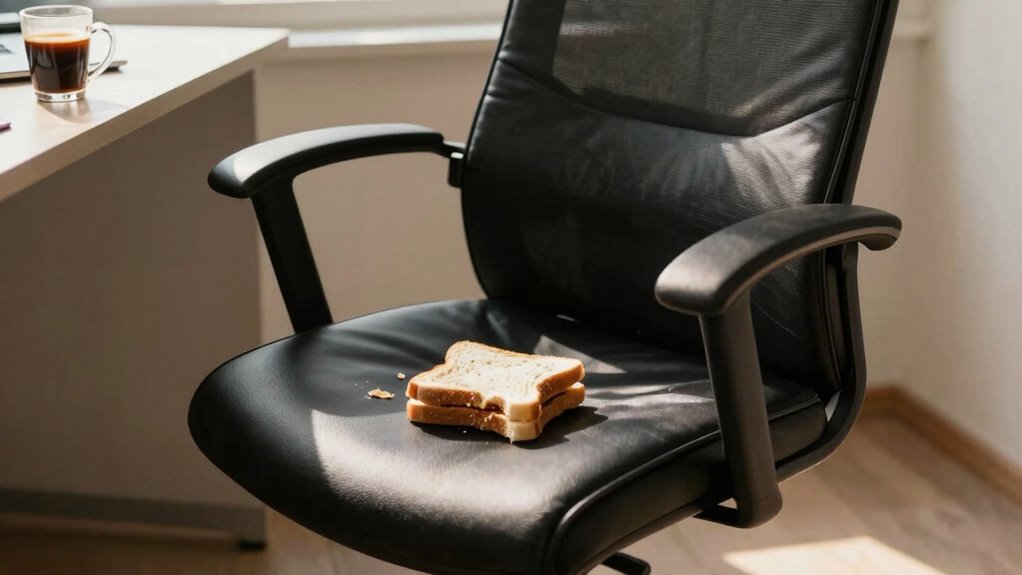
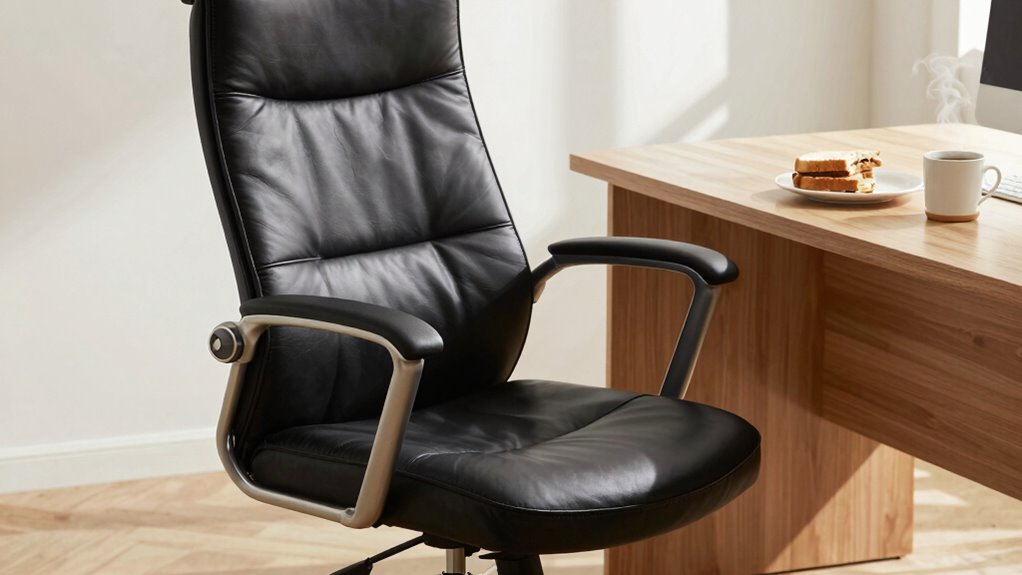
Have you ever noticed how your chair feels perfectly comfortable for the first hour of work but suddenly becomes uncomfortable after lunch? It’s a common experience, and the culprit often lies in the way you sit and how your chair is set up. When you start your day, your body is fresh, and your ergonomic adjustments are in sync with your posture habits. You sit upright, your back is supported, and your muscles are engaged just enough to keep you comfortable. But as the hours go by, especially after eating, subtle changes happen. You might slump slightly, lean forward, or shift your position without realizing it. These small adjustments can cause your posture to deteriorate, leading to discomfort.
Posture habits play a significant role in how your chair feels over time. If you’re used to slouching or leaning forward, these habits become ingrained, and your body naturally adopts these positions during extended periods. After lunch, blood flow shifts, digestion speeds up, and your muscles may relax more than usual. This relaxation can cause you to lose the support your chair initially provided. Without mindful ergonomic adjustments—like adjusting the height, lumbar support, or armrests—you might unknowingly put strain on your neck, shoulders, and lower back. Over time, these poor posture habits compound, making your chair feel less supportive and more uncomfortable. Additionally, ergonomic setup plays a crucial role in sustaining comfort throughout the day. Developing awareness of posture habits can help prevent these shifts from causing discomfort. Improving your ergonomic awareness can further enhance your comfort and prevent strain. Recognizing the importance of muscle engagement can also help maintain proper support during long periods of sitting.
Poor posture habits and relaxed muscles after lunch can lead to discomfort and decreased chair support over time.
Incorporating posture awareness techniques into your routine can significantly reduce discomfort and help maintain proper alignment. To combat this, it’s vital to regularly evaluate and fine-tune your ergonomic adjustments. Check if your chair’s height allows your feet to rest flat on the floor and your knees to form a right angle. Make certain your lower back is supported properly, either by the chair’s lumbar support or an added cushion. Keep your monitor at eye level to prevent neck strain, and adjust your armrests so your shoulders stay relaxed. Incorporating these adjustments into your routine helps maintain good posture habits, which, in turn, keeps your chair feeling comfortable longer.
But beyond adjusting your chair, being conscious of your posture habits is essential. Take short breaks to stretch or change positions, especially after lunch. Stand, walk around, or do simple stretches to reset your muscles. These small actions reinforce good posture habits and prevent your body from settling into less supportive positions. Remember, comfort isn’t just about the chair—it’s about how you interact with it. When you stay mindful of ergonomic adjustments and posture habits, you’ll notice your chair remains comfortable much longer, even after that mid-day meal.
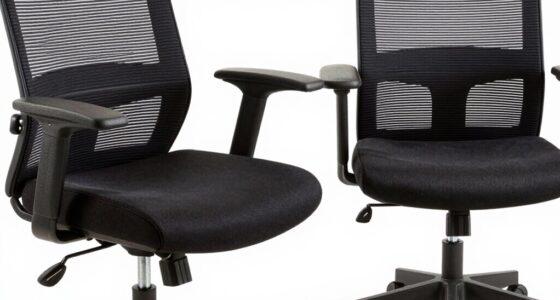
ergonomic office chair with lumbar support
As an affiliate, we earn on qualifying purchases.
As an affiliate, we earn on qualifying purchases.
Frequently Asked Questions
How Can I Prevent My Chair From Becoming Uncomfortable After Lunch?
To prevent your chair from becoming uncomfortable after lunch, try adjusting your chair’s ergonomic cushions and adjustable armrests. These features help maintain proper posture and distribute weight evenly, reducing discomfort. Take short breaks to stretch and reset your position. Additionally, make sure your chair’s height and lumbar support are properly aligned with your body. Staying mindful of your posture throughout the day keeps your chair comfortable, even after that midday meal.
Does Sitting Posture Change Throughout the Day?
Your sitting posture does change throughout the day, often like a pendulum swinging between comfort and discomfort. To stay aligned, focus on posture consistency and make ergonomic adjustments as needed. Pay attention to how your body feels, and don’t hesitate to shift or adjust your chair, desk, or screen height. These small changes help maintain support, preventing fatigue and ensuring you stay comfortable and productive all day long.
Are There Specific Chair Features That Reduce Post-Lunch Discomfort?
Yes, certain chair features can help reduce post-lunch discomfort. Look for ergonomic adjustments like adjustable lumbar support and seat height to keep your spine aligned. Additionally, proper cushion placement can alleviate pressure on your hips and lower back. These features encourage better posture throughout the day, helping you stay comfortable even after a big meal. Investing in a chair with these elements makes a noticeable difference in your overall comfort.
How Does Hydration Affect Chair Comfort?
Imagine your comfort as a delicate dance, and hydration levels as your partner. When you’re well-hydrated, your chair’s comfort stays steady, minimizing discomfort fluctuations. But if you neglect water, dehydration sneaks in, making your seat feel less supportive and more tiring over time. Keep sipping water throughout the day, and you’ll notice your chair’s cozy embrace remains consistent, helping you stay comfortable longer.
Can Exercise Improve Overall Sitting Comfort During the Day?
Exercise can improve your overall sitting comfort during the day by reducing muscle fatigue and enhancing circulation. When you stay active, you strengthen your core and back muscles, supporting your ergonomic design. Regular movement prevents stiffness and discomfort, making prolonged sitting less taxing. Incorporating simple stretches or short walks helps you maintain better posture and comfort, so your chair feels better longer and reduces the post-lunch slump.
adjustable desk chair for long hours
As an affiliate, we earn on qualifying purchases.
As an affiliate, we earn on qualifying purchases.
Conclusion
So, next time your chair feels like a throne of comfort for just an hour, remember it’s secretly plotting against you after lunch. That chair isn’t just a piece of furniture—it’s a mischievous trickster, turning your bliss into misery faster than you can say “post-lunch slump.” Stay vigilant, because one day, that chair’s comfort might just vanish like your lunch leftovers—gone in a flash, leaving you to suffer in the throne room of discomfort!
ergonomic seat cushion for office chair
As an affiliate, we earn on qualifying purchases.
As an affiliate, we earn on qualifying purchases.
As an affiliate, we earn on qualifying purchases.
Fall Picks
fall essentials
As an affiliate, we earn on qualifying purchases.