

You can improve your bed comfort by making small, strategic changes to each layer instead of replacing the entire mattress. Start with your current setup and adjust one element at a time—such as adding a supportive topper or switching to breathable bedding—to better match your sleep posture. These incremental upgrades help tailor your sleep environment gradually without significant expense. Keep exploring ways to refine your bed setup, and you’ll find more ways to make your sleep truly restful.
Prime for Young Adults — start your free trial
Fast free delivery, streaming and member deals for eligible 18–24 year olds.
As an affiliate, we earn on qualifying purchases.
Key Takeaways
- Assess your sleep posture to identify specific support and comfort needs before making adjustments.
- Use targeted mattress toppers (memory foam or latex) to modify firmness or softness based on individual preferences.
- Layer bedding with breathable fabrics and additional supportive layers to enhance overall sleep quality gradually.
- Focus on one adjustment at a time, such as adding a topper or changing bedding, for effective, incremental improvements.
- Regularly evaluate your comfort and support, refining layers over time for a personalized sleep experience.
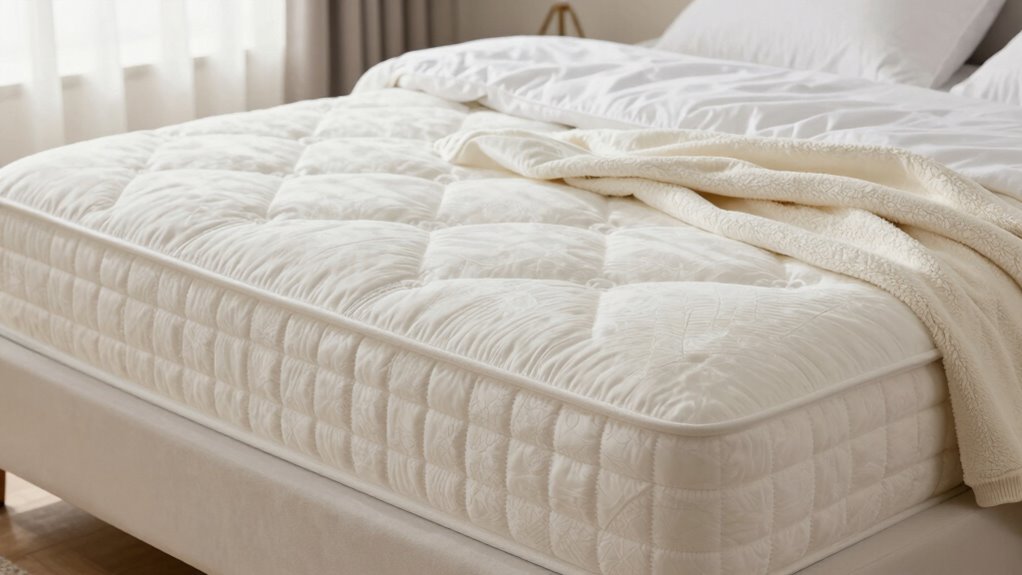
Upgrading your bed’s comfort doesn’t have to mean replacing everything at once. Instead, you can improve your sleep experience gradually by focusing on one layer at a time. This approach lets you tailor your bed to your specific needs without the hefty price tag or hassle of a complete overhaul. The first step is understanding how your sleep posture influences what you need from your mattress and bedding. Whether you sleep on your side, back, or stomach, your posture affects how pressure points are distributed and how well your spine stays aligned. For example, side sleepers often benefit from softer, more contouring materials that cushion shoulders and hips, while back sleepers may prefer firmer support that maintains proper spinal alignment. Recognizing your sleep posture helps you make smarter choices when upgrading your bed.
Next, consider the mattress materials. They form the foundation of your sleeping comfort and can dramatically influence how well you rest. Memory foam, latex, innerspring, and hybrid mattresses each offer different benefits. Memory foam molds to your body, providing excellent pressure relief, which is ideal if you have joint pain or want a softer feel. Latex offers a resilient, bouncy support that’s naturally breathable, good for those who prefer a bit more responsiveness. Innerspring mattresses typically deliver firmer support with a traditional feel, suitable if you like a more supportive surface. Hybrid models combine these materials, giving you a balance of support and softness. When upgrading, you don’t need to replace your entire mattress right away. Instead, you can add a high-quality mattress topper made from your preferred material. A topper can instantly change the feel of your bed, offering extra softness or support where needed. It’s a simple, cost-effective way to customize your sleep surface based on your preferred sleep posture. Incorporating layered bedding can further enhance comfort by allowing you to adjust the temperature and feel throughout the night, especially if you select breathable fabrics.
Choosing the right layer allows you to enhance comfort without disrupting your entire sleep setup. If your mattress feels too firm, adding a plush topper made from memory foam or latex can provide the cushioning your body craves. Conversely, if your bed feels too soft or saggy, a firmer topper or a different mattress material might be the fix. Over time, you can refine your setup by trying different layers until you find the perfect combination. This step-by-step method keeps your bed feeling fresh and tailored to your evolving needs. To ensure your layered approach remains effective, pay attention to how your body responds over time and make adjustments as needed, considering pressure point relief and overall support.
As an affiliate, we earn on qualifying purchases.
Frequently Asked Questions
How Do I Determine Which Layer Needs the Most Improvement?
You should assess your sleep comfort by paying attention to how your bed feels. If you wake up hot or sweaty, your top layer might need better temperature regulation. If the mattress feels too hard or too soft, consider adjusting the material firmness of the layers. Test different configurations to see which layer impacts your comfort most, then focus on improving that layer for a better night’s sleep.
Are There Eco-Friendly Options for Enhancing Bed Comfort?
Yes, you can choose eco-friendly options like organic fibers and bamboo textiles to enhance bed comfort. Organic cotton and wool are soft, sustainable, and free from harmful chemicals, making them great choices. Bamboo textiles are naturally breathable and silky smooth, providing a comfortable sleep surface while being environmentally friendly. Incorporate these materials into your bedding to improve comfort without compromising your eco-conscious values.
Can Layering Techniques Help With Specific Sleep Issues Like Back Pain?
Think of your bed as a fortress, and layering as your secret weapon against back pain. You can use memory foam toppers to contour your spine, while adjusting pillow height guarantees proper neck alignment. These techniques target specific issues, providing customized support. By adding or adjusting layers, you create a tailored sleep environment that eases discomfort and promotes restful nights, much like a well-guarded castle standing strong against invaders.
How Often Should I Upgrade or Replace Bed Layers?
You should upgrade or replace your bed layers every 1 to 3 years, depending on mattress materials and bedding accessories’ wear. If you notice sagging, discomfort, or persistent allergies, it’s time for a change. High-quality materials like memory foam or latex last longer, while softer bedding accessories might need more frequent updates. Regularly evaluating your comfort and inspecting layers helps guarantee ideal sleep quality.
Do Different Seasons Require Different Layering Strategies for Comfort?
Think of your bed as a versatile ship steering seasonal seas. In winter, add layers like a cozy quilt, perhaps with softer pillow firmness, and choose mattress material that retains warmth. In summer, strip down to lighter sheets and firmer pillows for cooler comfort. Adjusting layering strategies helps you sail smoothly through each season, ensuring your sleep remains cozy, supportive, and tailored to the changing weather conditions.
As an affiliate, we earn on qualifying purchases.
Conclusion
So, instead of overhauling your entire bed at once, think of it as adding a cozy blanket to a chilly night. Each layer you upgrade—whether it’s the mattress, pillows, or sheets—builds a sanctuary of comfort. Imagine a bed that feels like a gentle hug, contrasting with one that’s stiff and uninviting. By taking it step by step, you create a haven that’s perfectly tailored to you, transforming your sleep from mediocre to magical—one layer at a time.
As an affiliate, we earn on qualifying purchases.
As an affiliate, we earn on qualifying purchases.
NFL season / tailgating Picks
team gear
As an affiliate, we earn on qualifying purchases.