

As a side sleeper, paying attention to your support gap is key to feeling comfortable and avoiding long-term pain. If your mattress doesn’t properly support your shoulders, hips, and neck, it can cause pressure points, misalign your spine, and lead to stiffness or discomfort in the morning. Make sure your body stays in a neutral position by choosing the right firmness, with extra support like pillows. Keep exploring to discover how to optimize your sleep setup for better health and comfort.
Prime for Young Adults — start your free trial
Fast free delivery, streaming and member deals for eligible 18–24 year olds.
As an affiliate, we earn on qualifying purchases.
Key Takeaways
- Ensure your mattress provides proper support to prevent pressure points on shoulders and hips.
- Use a pillow between knees to maintain spinal alignment and reduce hip strain.
- Choose a mattress that contours to your body to distribute pressure evenly.
- Avoid overly soft or firm mattresses that cause sagging or unnatural spine bends.
- Regularly assess your sleep setup to maintain correct posture and prevent long-term discomfort.
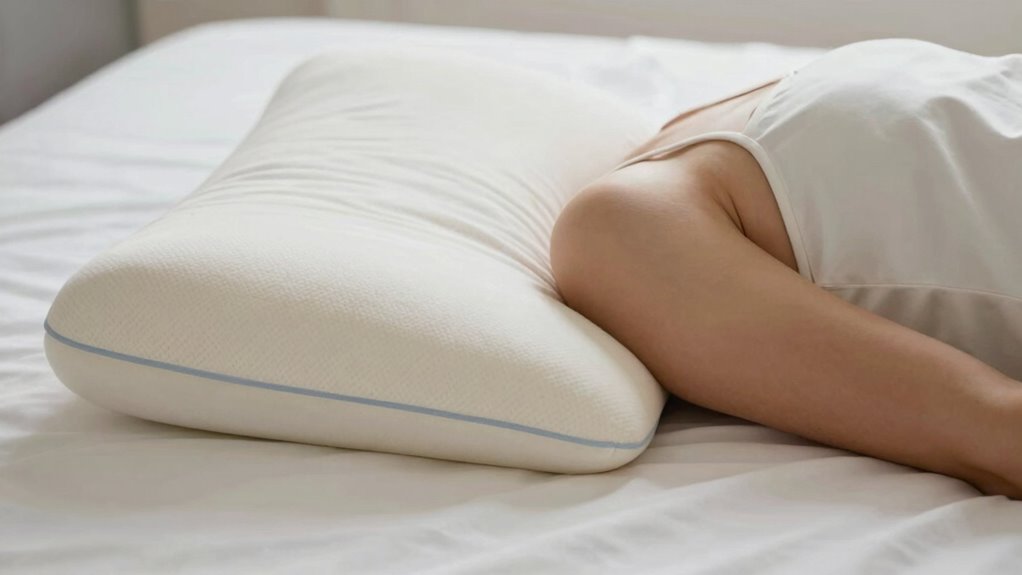
Have you ever woken up feeling sore or uncomfortable after sleeping on your side? If so, you might be experiencing what’s called the “support gap,” a common issue for side sleepers. This gap refers to the lack of proper support in certain areas of your body, which can lead to pressure points and misalignment of your spine. When your body isn’t adequately supported, it’s forced into unnatural positions that put stress on your shoulders, hips, and neck. Over time, this can cause discomfort, stiffness, and even chronic pain.
One of the main concerns for side sleepers is the pressure points that develop along the body’s contact areas with your mattress. Your shoulder and hip bear much of your weight, and without enough cushioning or support, these points can become painfully compressed. This pressure not only causes discomfort during sleep but can also restrict circulation, leading to numbness or tingling. To prevent this, it’s imperative to choose a mattress that contours to your body, distributing weight evenly and alleviating pressure points. Memory foam and hybrid mattresses often work well because they mold to your shape, maintaining proper pressure distribution.
Choose a mattress that contours your body to evenly distribute weight and reduce pressure points for better sleep.
Another essential aspect of addressing the support gap is maintaining proper spinal alignment. When you sleep on your side, your spine should remain in a neutral position, straight and aligned from head to tailbone. If your mattress is too firm, it may push against your body’s curves, forcing your spine into an unnatural bend. Conversely, if it’s too soft, your body might sink too deeply, causing your spine to sag or twist. Both scenarios can lead to back and neck pain over time. To keep your spine properly aligned, consider adding a pillow between your knees. This simple adjustment helps stabilize your pelvis and keeps your hips and lower back in a natural position, reducing strain on your pressure points. Proper support and alignment are crucial for preventing long-term discomfort and maintaining overall sleep quality.
Choosing the right support isn’t just about comfort; it’s about health and avoiding long-term issues. Pay attention to how your body feels after a night’s sleep. If you’re waking up stiff or with aches, it might be time to re-evaluate your sleep setup. It’s also helpful to be aware of sleep posture and how it impacts your overall wellness. Look for a mattress that offers a balance of softness and support, and don’t forget the importance of accessories like pillows designed specifically for side sleepers. Addressing the support gap ensures your body stays in proper alignment, minimizes pressure points, and helps you wake up feeling refreshed rather than sore. Additionally, understanding the support gap can guide you in selecting the ideal sleep environment to prevent long-term discomfort. Maintaining awareness of your sleep posture and support needs is essential for overall wellness.
memory foam side sleeper mattress
As an affiliate, we earn on qualifying purchases.
As an affiliate, we earn on qualifying purchases.
Frequently Asked Questions
How Do I Know if I Have a Support Gap Issue?
You can tell if you have a support gap issue by paying attention to your sleep posture and how your mattress material feels. If you wake up with shoulder or hip pain, or notice a sagging feeling, it’s a sign your mattress isn’t providing proper support. A mattress that’s too soft or uneven can create gaps, especially for side sleepers. Consider testing different materials or firmness levels to find better alignment and comfort.
Can Support Gaps Cause Long-Term Sleep Problems?
Support gaps can cause long-term sleep problems, disrupting your sleep posture and reducing support comfort. When your sleep setup lacks proper support, you might wake up with aches, pains, or fatigue that worsen over time. Poor sleep posture strains your muscles and spine, leading to chronic discomfort. Addressing support gaps guarantees your sleep experience remains peaceful and pain-free, promoting healthier, happier sleep for the long haul.
Are There Specific Mattress Types Better for Side Sleepers?
Yes, memory foam and hybrid mattresses are ideal for side sleepers. Memory foam contours your body, relieving pressure points and supporting your shoulders and hips. Hybrid mattresses combine memory foam with innerspring coils, offering both pressure relief and added support. These mattress types help bridge the support gap, ensuring proper spinal alignment and reducing pain. Choosing one of these options can improve your sleep quality and prevent long-term discomfort.
How Often Should I Replace My Mattress to Avoid Support Gaps?
You should replace your mattress every 7-10 years to prevent support gaps that disrupt sleep and cause discomfort. As your mattress ages, it loses firmness, even if it feels firm initially, and may no longer align with your bed frame’s compatibility. Regularly assess your mattress’s firmness and support. When it no longer provides proper support or feels uneven, it’s time for a replacement to guarantee a good night’s sleep.
What Signs Indicate My Pillow Isn’t Providing Enough Support?
If your pillow isn’t supporting you properly, you’ll notice neck or shoulder pain, frequent tossing, or waking up with a sore neck. Check the pillow material—if it’s lumpy or flat, support has likely diminished. You might also need a support adjustment, like switching to a firmer or more contouring pillow. Regularly assess your pillow’s shape and comfort to guarantee it maintains proper support and keeps your spine aligned.
knee pillow for spinal alignment
As an affiliate, we earn on qualifying purchases.
As an affiliate, we earn on qualifying purchases.
Conclusion
Remember, finding the right support isn’t just about comfort—it’s about nurturing your natural alignment. Overlooking the subtle cues from your body can lead to more than just restless nights; it might hint at deeper needs awaiting your attention. Embrace the gentle reminder to prioritize your well-being, and with a little care, you’ll discover that true comfort often lies just beneath the surface. After all, sometimes it’s the small adjustments that make the biggest difference.
hybrid mattress for pressure relief
As an affiliate, we earn on qualifying purchases.
As an affiliate, we earn on qualifying purchases.
As an affiliate, we earn on qualifying purchases.
NFL season / tailgating Picks
team gear
As an affiliate, we earn on qualifying purchases.