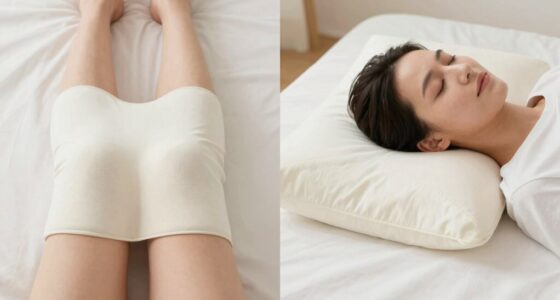

Surface softness alone doesn’t tell the full sleep story because the mattress’s underlying structure and firmness are key to proper support and spinal alignment. A soft surface can feel cozy but may lack the support your body needs, especially for your hips and shoulders. The balance between softness and firmness impacts comfort and prevents aches. If you want to understand how to choose a mattress that promotes truly restful sleep, keep exploring the details that can make a difference.
Get ready for Prime Big Deal Days — try Prime free
Exclusive member deals on October 6–7, plus fast free delivery. Cancel anytime.
As an affiliate, we earn on qualifying purchases.
Key Takeaways
- Surface softness alone doesn’t ensure comfort if the mattress lacks proper underlying support.
- Memory foam’s contouring feel varies; softness doesn’t always equate to spinal support.
- Mattress durability and material quality impact long-term support, beyond initial softness.
- Different sleep positions require specific firmness levels for optimal support and comfort.
- Achieving restorative sleep depends on balancing softness with adequate support, not just surface feel.

When it comes to getting a good night’s sleep, many people assume that a softer mattress automatically means more comfort. But surface softness isn’t the whole story. The feel of a mattress on top can be deceiving if you’re not considering what’s underneath. For example, memory foam is popular because it molds closely to your body, offering a plush, soft surface. However, softness alone doesn’t guarantee proper support or comfort. The key is understanding mattress firmness, which determines how supportive the bed feels once you lie down. A mattress can feel soft on the surface but still provide adequate support if it’s designed with the right firmness levels.
Memory foam mattresses are often associated with softness because they contour so well to your body. Yet, they come in a range of firmness options, from soft to firm. If you pick a very soft memory foam, it might feel cozy initially, but it may not provide enough support for your hips and shoulders if you sleep on your side or back. Conversely, a firmer memory foam offers more resilience and helps maintain proper spinal alignment, even if it feels less plush. That’s why surface softness can be misleading—what feels gentle and cushy may not be supportive enough for restful sleep. Additionally, the composition of mattress materials impacts how well they support your body over time, contributing to overall comfort and durability. Incorporating material durability considerations can help you choose a mattress that balances softness and support. Understanding the structure of the mattress layers can also influence how well it adapts to your body’s movements and sleeping position.
It’s essential to match mattress firmness to your sleeping position and personal comfort preferences. For instance, side sleepers often benefit from a softer surface that cushions their shoulders and hips, but they still need enough support to keep their spine aligned. Back sleepers might prefer a medium firmness that balances cushioning and support. Stomach sleepers often need a firmer mattress to prevent their hips from sinking too deeply, which can cause back pain. Ignoring firmness and focusing only on softness can lead you to choose a mattress that feels nice but doesn’t promote healthy sleep posture. Additionally, understanding the variety of materials used in mattresses can help you make more informed choices about support and comfort levels.
Ultimately, surface softness is just one piece of the puzzle. You should evaluate how the mattress supports your body throughout the night. While memory foam can be a great choice because of its ability to reduce pressure points, you still need to pay attention to firmness levels that suit your sleeping style. A mattress that’s too soft or too hard can cause discomfort, even if it initially feels plush. The right balance between softness and firmness ensures you wake up refreshed, not sore, and that your spine stays properly aligned all night long. Remember, a truly supportive mattress feels good on the surface, but it also supports you in ways that promote deep, restorative sleep. Considering personal preferences and sleep habits can further enhance your chances of finding the ideal mattress for optimal rest.
memory foam mattress with adjustable firmness
As an affiliate, we earn on qualifying purchases.
As an affiliate, we earn on qualifying purchases.
Frequently Asked Questions
How Does Mattress Material Affect Sleep Quality?
Your mattress material directly impacts your sleep quality. Memory foam offers support and pressure relief, helping you stay comfortable throughout the night. Breathable fabrics in the mattress cover promote airflow, preventing overheating and ensuring a cooler sleep environment. Choosing a mattress with the right combination of these materials can reduce tossing and turning, improve overall rest, and help you wake feeling refreshed and energized.
Can a Soft Surface Cause Back Pain?
Yes, a soft surface can cause back pain if your pillow selection and bedding materials don’t support proper spinal alignment. When your mattress is too plush, your back may sink excessively, leading to strain. To avoid this, choose a pillow that supports your neck and opt for bedding materials that balance softness with firmness. This helps maintain natural spinal curves, reducing the risk of back pain during sleep.
What Role Does Mattress Firmness Play in Sleep Health?
Mattress firmness is like the foundation of a sturdy house—crucial for good sleep health. It impacts your spine alignment and comfort, influencing your sleep quality. When choosing bedding materials, consider your firmness preference and sleep hygiene needs, as too soft or too firm can disrupt rest. Finding the right firmness level supports restful sleep, reduces discomfort, and helps you wake up refreshed.
How Important Is Mattress Support Versus Softness?
Support is more vital than softness because it guarantees proper alignment and comfort, which improves sleep quality. You should prioritize mattress support to match your pillow compatibility, preventing aches and discomfort. Softness adds to the bedding aesthetics, but it’s secondary to support. If your mattress provides adequate support, you can add softness through pillows or bedding to enhance your sleep experience without sacrificing spinal health.
Are There Specific Sleep Positions Suited for Softer Surfaces?
You’d probably sink like a stone in a pool if you sleep on a super soft surface, so it’s perfect for side sleepers who need that plush support. Your sleep posture matters—soft surfaces cradle your shoulders and hips, easing pressure points. If you favor sleeping on your side or curled up, softer surfaces boost surface comfort, helping you stay relaxed and wake up feeling refreshed, not sore or stiff.
supportive mattress for spinal alignment
As an affiliate, we earn on qualifying purchases.
As an affiliate, we earn on qualifying purchases.
Conclusion
Remember, choosing a mattress isn’t just about surface softness; it’s like finding the right dance partner. A soft surface might look inviting, but it doesn’t guarantee a perfect match for your sleep rhythm. Think of your mattress as the foundation of a house—if it’s not aligned with your needs, everything else suffers. So, don’t settle for the surface alone. Dive deeper, and find the comfort that truly supports your sleep story from the inside out.
As an affiliate, we earn on qualifying purchases.
medium firmness mattress for back sleepers
As an affiliate, we earn on qualifying purchases.
As an affiliate, we earn on qualifying purchases.
NFL season / tailgating Picks
team gear
As an affiliate, we earn on qualifying purchases.