
To get durable, comfortable furniture, you need to take into account how foam, fabric, and frame specs work together. Each component impacts the overall support, resilience, and look of your piece. For example, high-density foam maintains shape longer, sturdy frames prevent sagging, and resistant fabrics keep the surface attractive. Ignoring any of these can lead to quicker wear or discomfort. Understanding their connection helps you make smarter choices that last, and there’s more to uncover behind the details.

Get comfort and recovery gear delivered free with Prime
- Fast, free delivery on millions of items
- Prime Video, Amazon Music and more included
- Member-only deals all year
Key Takeaways
- The combined quality of foam, fabric, and frame determines overall furniture durability and comfort.
- Proper matching prevents premature wear, sagging, and structural failure over time.
- Each component’s specifications affect support, resistance to stress, and long-term appearance.
- Understanding their interdependence ensures furniture can withstand daily use effectively.
- Selecting compatible specs enhances longevity, reduces repairs, and maximizes value.
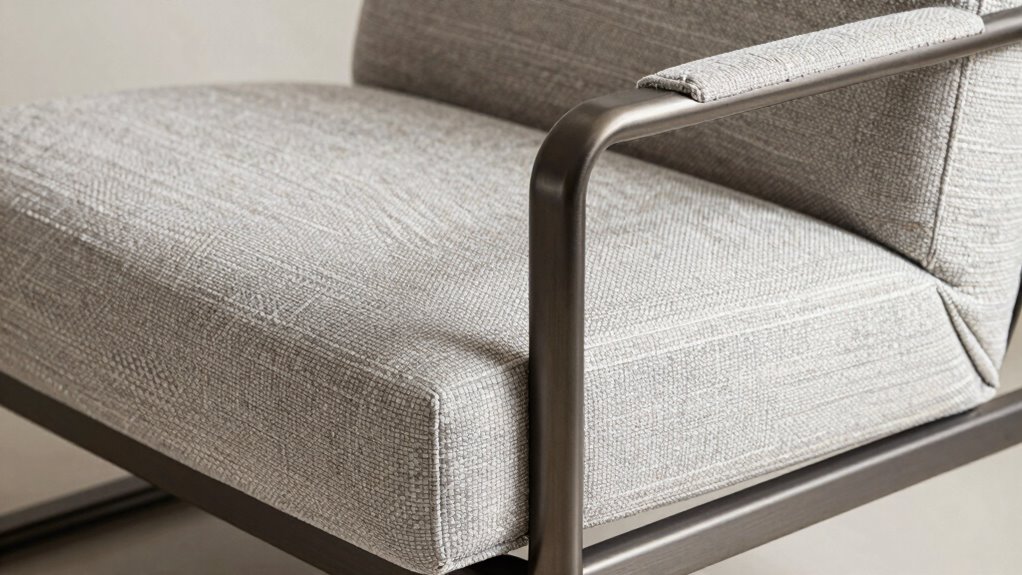
Have you ever wondered what makes a piece of furniture both comfortable and durable? The secret lies in understanding how foam, fabric, and frame specifications work together. When you’re shopping for a sofa or chair, it’s tempting to focus only on the style or price. But if you want furniture that stands the test of time and feels good every day, you need to take into account these core components as a cohesive system. Each element affects the others, and ignoring any one can compromise the overall quality.
Understanding foam, fabric, and frame specs ensures durable, comfortable furniture that lasts.
Let’s start with foam. The type and density of foam used in cushions directly impact cushion durability and comfort. Higher-density foam typically resists sagging and maintains its shape longer, giving you consistent support over years. Softer foams, while plush, may compress quickly, leading to uneven wear. The right foam choice balances support and comfort, making sure your cushions feel inviting while resisting the wear and tear of daily use. When you understand foam specifications, you can select furniture that won’t flatten prematurely, saving you money and frustration. Additionally, selecting foam with the appropriate density and firmness can further enhance the longevity of your furniture.
Next, think about upholstery fabric. The fabric you choose influences upholstery comfort and durability. Breathable, soft fabrics like natural fibers provide a cozy feel, but they might require more maintenance. Synthetic blends often add durability and stain resistance, which are vital for high-traffic pieces or homes with kids and pets. The fabric’s weave and fiber content determine how well it withstands friction and daily stress. Opting for fabrics with higher abrasion resistance ensures your furniture remains attractive longer, while the right texture enhances comfort. When fabric specs are aligned with your lifestyle, you enjoy furniture that feels good and remains durable through years of use. Incorporating fabric durability into your decision helps ensure your furniture holds up against daily wear. Understanding how fabric composition influences performance can help you make smarter choices for long-term satisfaction. Recognizing the importance of fabric care requirements can also extend the lifespan of your upholstery.
Finally, the frame supports all these components. A sturdy frame made from quality materials like hardwood or reinforced metal provides the foundation for the entire piece. It influences the furniture’s structural integrity, ensuring it maintains its shape and support. A well-designed frame also interacts with foam and fabric, distributing weight evenly and preventing early sagging or fabric stress. If the frame isn’t solid, even the best foam and fabric won’t prevent future problems. Additionally, understanding the frame specifications can help you select furniture that offers both comfort and longevity. When you understand frame specs, you’re better equipped to choose furniture that’s not only comfortable but also lasting. Moreover, a quality frame can significantly reduce the need for repairs or replacements over time.
Products Worth Considering

Levoit Core 600S-P Smart Air Purifier for Large Rooms

Ring Alarm 8-Piece Kit (2nd Gen) Home Security System

Bose SoundLink Flex (2nd Gen) Portable Bluetooth Speaker
As an affiliate, we earn on qualifying purchases.
Frequently Asked Questions
How Do Foam, Fabric, and Frame Choices Impact Overall Durability?
Your choices in foam density, fabric weave, and frame design directly impact your furniture’s durability. A higher foam density provides better support and resists sagging over time. A tightly woven fabric minimizes wear and tear, extending its lifespan. Additionally, a sturdy frame guarantees the structure remains intact. When these elements work together, they create a piece that withstands daily use, offering long-lasting comfort and function.
Can Different Material Specs Affect the Comfort Level of Furniture?
Yes, different material specs can affect your furniture’s comfort level. For example, fabric patterns and color options influence how inviting and cozy a piece feels, while the fabric’s softness and breathability impact your sitting experience. Thicker foam and quality frames also contribute to comfort, ensuring you stay relaxed. Choosing the right specs means you’ll enjoy furniture that not only looks great with your preferred fabric patterns and colors but also feels just right.
Are Certain Fabric and Foam Combinations Better for Allergy Sufferers?
You’ll be amazed at how some fabric and foam combos can transform your allergy experience—it’s like a breath of fresh inspiration! Allergy-friendly fabrics and hypoallergenic foam work together to reduce allergens and dust mites, making your space safer and more comfortable. Choose fabrics labeled as allergy-friendly and pair them with hypoallergenic foam to minimize allergy triggers, helping you breathe easier and enjoy your furniture without worry.
How Do Frame Materials Influence Furniture Weight and Portability?
Frame materials considerably influence furniture weight and portability. Heavier materials like hardwood or metal increase frame weight, making the piece sturdier but harder to move. Lighter options like aluminum or certain composites reduce weight, enhancing portability. Material compatibility ensures the frame’s durability and ease of handling. When choosing furniture, consider your space and mobility needs; lighter frames are ideal if you frequently move or rearrange your furniture.
Do Specific Specs Improve Furniture Lifespan in High-Traffic Areas?
Like a sturdy ship braving stormy seas, specific specs can extend furniture lifespan in high-traffic areas. High-density foam resists wear, while durable fabrics withstand constant use, and strong frames provide support. These specs also enhance indoor air quality by resisting dust and allergens. Regular maintenance and cleaning are essential, but choosing the right materials guarantees your furniture stays resilient and looking fresh despite daily wear and tear.
Conclusion
When you choose foam, fabric, and frame specs carefully, you’re not just making a sofa; you’re creating a personal sanctuary. Remember, the devil is in the details, and paying attention to each component guarantees durability, comfort, and style that lasts. Don’t settle for the surface—invest in the full picture. After all, a well-made piece isn’t just furniture; it’s a reflection of your care and taste.