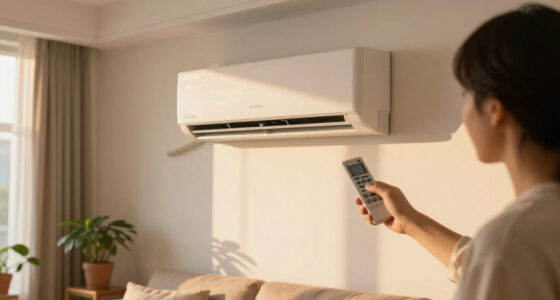
Many homeowners overlook essential maintenance like checking filters, sealing leaks, and inspecting ventilation systems, which can impact indoor comfort and energy bills. You might forget to service your HVAC, seal drafts around windows and doors, or control humidity levels, but these steps make a big difference. Paying attention to these overlooked tasks can improve air quality, reduce energy waste, and create a more comfortable home. Keep going to discover simple tips to optimize your indoor environment effectively.

Get comfort and recovery gear delivered free with Prime
- Fast, free delivery on millions of items
- Prime Video, Amazon Music and more included
- Member-only deals all year
Key Takeaways
- Regularly inspect and replace HVAC filters to maintain airflow and indoor air quality.
- Check and seal windows, doors, and ductwork to prevent drafts and energy loss.
- Ensure ventilation systems are functioning properly to remove indoor pollutants and excess moisture.
- Assess insulation levels and add air quality monitors for better energy efficiency and healthier air.
- Balance indoor humidity with humidifiers or dehumidifiers to prevent mold and improve comfort.
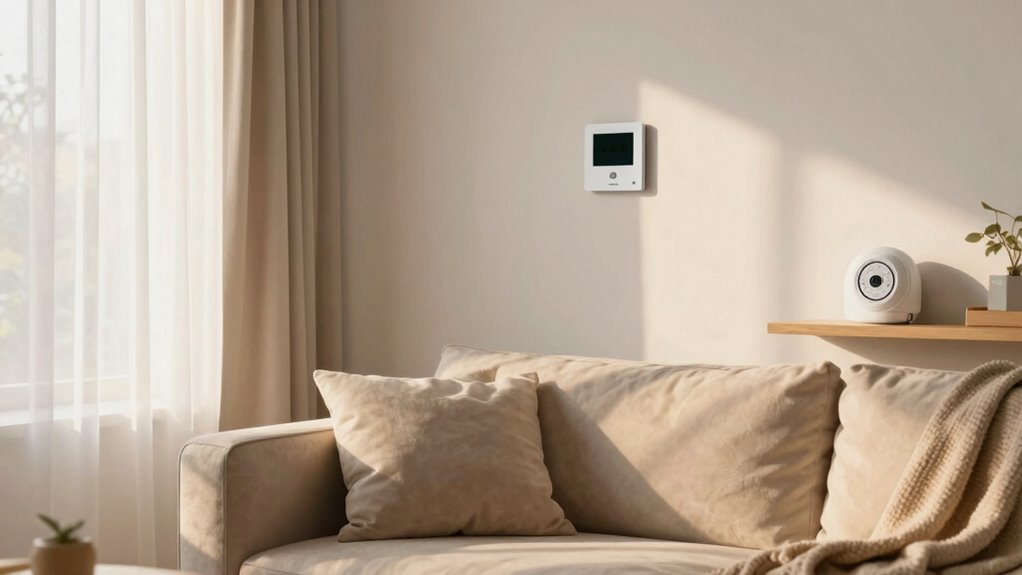
Maintaining a comfortable home temperature isn’t just about adjusting the thermostat; it’s about ensuring your entire living space supports your well-being and energy efficiency. Many people overlook the importance of a comprehensive home comfort check, but it can make a significant difference in how you feel every day. When you neglect these inspections, you might be unknowingly sacrificing indoor air quality and wasting energy, leading to higher bills and a less healthy environment. A home comfort check isn’t just about feeling cozy; it’s about optimizing your home’s systems to work together effectively.
First, you should evaluate your heating and cooling systems. Are your filters clean? Dirty filters restrict airflow, forcing your HVAC system to work harder and consume more energy. Replacing or cleaning filters regularly not only boosts energy efficiency but also improves indoor air quality by reducing dust, allergens, and pollutants circulating through your air vents. Next, check your ductwork for leaks or blockages. Leaky ducts can cause uneven heating or cooling, making certain rooms uncomfortable and increasing energy costs. Sealing leaks ensures consistent temperatures, better energy use, and improved indoor air quality, since less dust and debris are pulled into the system.
Regularly clean filters and seal duct leaks to boost efficiency and improve indoor air quality.
Additionally, assess your windows and doors. Are they properly sealed? Drafts can undermine your efforts to maintain a consistent temperature, forcing your HVAC system to run longer. Caulking or weatherstripping these openings can prevent energy waste and reduce indoor temperature fluctuations. When your home is properly sealed, indoor air quality benefits too, because fewer outdoor pollutants enter your living space. You should also consider the ventilation system—whether it’s an exhaust fan, an air exchanger, or an HVAC setup with fresh air intake. Proper ventilation helps remove indoor pollutants and moisture, which can otherwise lead to mold growth and poor air quality. Regularly inspecting and maintaining these systems ensures they operate efficiently and effectively.
Don’t forget to evaluate your insulation. Adequate insulation keeps heat inside during winter and outside during summer, supporting energy efficiency and comfort. Poor insulation causes your system to cycle excessively, increasing energy bills and reducing indoor air quality due to temperature fluctuations. Moreover, integrating indoor air quality solutions like air purification devices can further enhance your environment by removing airborne contaminants. You might also consider adding air quality monitors to track pollutant levels and optimize your home’s ventilation accordingly. Proper insulation, sealing, and air filtration can significantly improve the overall energy efficiency of your home, leading to long-term savings. Finally, pay attention to humidity levels. Too much moisture can lead to mold and dust mites, while too little causes dryness. Using a humidifier or dehumidifier can help strike the right balance, improving overall comfort and indoor air quality.
Performing a home comfort check may seem simple, but it’s a powerful way to enhance your living environment. It saves energy, reduces costs, and creates a healthier space where you can truly feel comfortable year-round. Don’t wait until discomfort or rising bills prompt you—regularly inspecting your home ensures your comfort and health are always a priority.
Products Worth Considering

LEVOIT Vital 100S-P Smart Air Purifier with Washable Pre-Filter

Levoit Core 600S-P Smart Air Purifier for Large Rooms

Levoit Vital 200S-P Smart Air Purifier for Large Rooms
As an affiliate, we earn on qualifying purchases.
Frequently Asked Questions
How Often Should I Perform a Home Comfort Check?
You should perform a home comfort check at least twice a year, ideally in spring and fall. This helps you monitor air quality and guarantee insulation efficiency, keeping your home comfortable and energy-efficient. During the check, inspect for drafts, poor ventilation, or dust buildup that could impact air quality. Regular checks prevent issues from worsening, saving you money and maintaining a healthier living environment.
What Tools Are Needed for a Home Comfort Assessment?
You’ll need a few essential tools for a home comfort assessment, including a digital thermometer to check indoor and outdoor temperatures, a moisture meter for insulation evaluation, and a flashlight to inspect HVAC systems. A smoke pen or carbon monoxide detector can help identify air leaks and ventilation issues. These tools enable you to assess HVAC maintenance needs and evaluate insulation quality, ensuring your home stays comfortable and energy-efficient.
Can I Do a Home Comfort Check Myself?
Yes, you can do a DIY assessment of your home comfort. Start by checking for drafts around windows and doors, and guarantee your thermostat is set correctly. Use simple comfort tips like sealing leaks, adding insulation, and adjusting vents to improve airflow. Walk through each room, noting temperature inconsistencies or drafts. Regularly performing these checks helps maintain a cozy, energy-efficient home without needing professional help.
How Much Does a Professional Home Comfort Inspection Cost?
A professional home comfort inspection typically costs between $200 and $500, depending on your home’s size and location. During the inspection, experts assess energy efficiency and insulation quality, identifying areas where improvements can save you money and boost comfort. Investing in this check helps you pinpoint issues like drafts or poor insulation, ensuring your home stays cozy and efficient year-round. It’s a smart step toward a more comfortable living environment.
What Signs Indicate My Home Needs a Comfort Upgrade?
You’ll notice your home needs a comfort upgrade when your HVAC struggles to keep temperatures just right or when your energy bills skyrocket—ironic, right? If your rooms feel uneven or your insulation feels less effective, it’s a clear sign. Poor HVAC efficiency and low insulation quality can make your home uncomfortable and costly. Don’t wait until you’re freezing or sweating—time for a checkup to restore comfort!
Conclusion
So, don’t wait until your castle feels more like a windmill than a cozy home. Run that home comfort check today—think of it as your modern-day alchemy, transforming chilly drafts into warm, inviting spaces. Remember, a little effort now beats a soggy, cold winter’s night of regret. Like a trusty squire, stay vigilant and keep your home in tip-top shape. After all, your castle deserves nothing less than royal comfort!