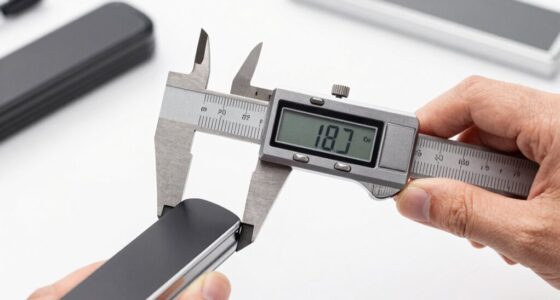

A longer warranty doesn’t always mean your product is more durable or higher quality. Warranties often reflect marketing strategies, industry standards, or legal requirements, not how long a product truly lasts. They typically cover common failure points rather than the entire lifespan. Sometimes, shorter warranties paired with good support prove more valuable. If you keep exploring, you’ll discover how to better understand what warranty details really reveal about a product’s reliability.
Key Takeaways
- Longer warranties may be marketing tactics, not indicators of a product’s actual durability.
- Warranty periods are often based on industry standards, not true product lifespan.
- Coverage details reveal more about durability than warranty length alone.
- Extended warranties can be designed for perception, not necessarily product longevity.
- Company support and reviews often matter more than warranty duration for assessing reliability.
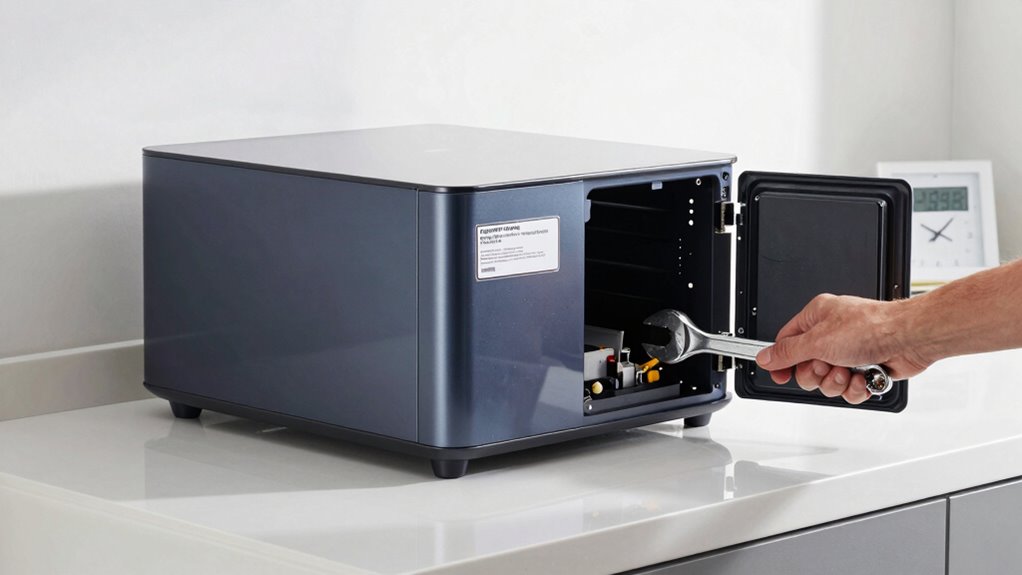
Have you ever assumed that a longer warranty automatically means a better product? It’s a common belief, but the truth is, warranty length doesn’t always reflect the true quality or durability of a product. While it might seem logical that companies offering longer warranties want to show confidence in their products, it’s not always a reliable indicator of product longevity. Sometimes, extended warranties are more about customer reassurance or marketing strategies rather than actual product durability.
When you look at warranties, it’s tempting to equate length with quality, but that’s a mistake. A product with a short warranty might be just as durable—if not more so—than one with a lengthy guarantee. Manufacturers often set warranty periods based on legal requirements, industry standards, or to cover the most common points of failure, rather than the product’s overall lifespan. For example, electronics might come with a one-year warranty, but some last for many years beyond that period if maintained properly. Conversely, a product with a long warranty might have been designed with cost savings in mind, meaning it could break down or become obsolete sooner than the warranty suggests.
You should focus on the specifics of what the warranty covers, rather than its length. Does it cover parts prone to wear and tear, or just manufacturing defects? Are there many exclusions? These details often reveal more about the product’s expected performance and durability than the warranty period itself. A lengthy warranty might give you customer reassurance, but it doesn’t guarantee that the product will continue to perform well years down the line. Sometimes, companies extend warranties to create a perception of quality, even if the product isn’t built to last beyond the warranty period. Additionally, understanding the details of warranty coverage can help you assess the true durability of a product more accurately. Recognizing how warranties are designed based on industry standards can also provide insight into their purpose and limitations. Moreover, considering the industry standards that influence warranty practices can help you better evaluate what a warranty really signifies. It’s also helpful to look into whether the warranty is limited or comprehensive, as this distinction affects the protection you actually receive.
Furthermore, you should consider the company’s reputation for customer service and support, as these factors substantially influence your overall experience. A shorter warranty backed by a responsive, helpful customer service team can be more valuable than a long warranty from a company known for poor support. Also, some companies offer extended warranty options, which may be worth considering if they are backed by a reputable support team. Ultimately, don’t just rely on warranty length to judge a product’s quality. Look at reviews, product specifications, and the company’s reputation to get a clearer picture of what you’re actually buying. A shorter warranty combined with good support might serve you better than a long warranty on a product that’s prone to failure or difficult to repair.

ASURION 2 Year Wearables Protection Plan ($60 – $69.99)
No Additional Cost: You pay nothing for repairs – parts, labor, and shipping included.
As an affiliate, we earn on qualifying purchases.
As an affiliate, we earn on qualifying purchases.
Frequently Asked Questions
How Does Warranty Length Impact the Actual Product Quality?
A longer warranty doesn’t necessarily mean better product quality; it often reflects the manufacturer’s confidence or reputation for durability. When you see an extended warranty, consider if the product’s actual durability matches that promise. Sometimes, manufacturers offer lengthy warranties to boost their reputation, but the real test is how well the product performs over time. Focus on reviews and brand reliability to truly gauge product quality beyond warranty length.
Are Longer Warranties Always More Expensive?
Like a knight of old with his trusty shield, extended coverage often comes at a higher price. Longer warranties aren’t always more expensive upfront, but warranty costs can add up over time. Some companies offer longer warranties at a similar or even lower cost, relying on the fine print. So, don’t assume extended coverage is always pricier—compare plans carefully to find the best value for your needs.
What Hidden Factors Should Consumers Consider Besides Warranty Length?
You should consider factors like customer satisfaction and brand reputation beyond warranty length. A longer warranty doesn’t guarantee quality if customers report frequent issues or poor support. Research reviews and how the brand handles complaints to gauge reliability. A reputable brand with high customer satisfaction often offers better service, making your investment safer. These hidden factors can profoundly influence your overall experience, sometimes more than just the warranty duration.
Can Warranty Length Influence Resale Value of a Product?
Warranty length can influence resale value because it signals brand reputation and customer trust. When a product has a longer warranty, potential buyers see it as reliable and well-supported, boosting its appeal. Conversely, a shorter warranty might suggest uncertainty or lower quality. You should consider that a strong warranty reassures buyers, enhances perceived value, and ultimately increases resale value by demonstrating the manufacturer’s confidence and commitment to quality.
How Do Warranty Terms Vary Across Different Industries?
Warranty terms vary across industries because companies prioritize customer satisfaction and brand reputation differently. For example, electronics often offer shorter warranties to encourage quick upgrades, while appliances may have longer coverage to boost trust. Automotive warranties tend to be extensive, reflecting confidence in durability. Your understanding of these differences helps you gauge a product’s quality and the company’s commitment to support, ultimately influencing your purchasing decisions.
ASURION 2 Year Laptop Protection Plan ($250 – $299.99)
No Additional Cost: You pay nothing for repairs – parts, labor, and shipping included.
As an affiliate, we earn on qualifying purchases.
As an affiliate, we earn on qualifying purchases.
Conclusion
While a longer warranty might seem like a clear sign of quality, it’s worth considering what’s beneath the surface. Sometimes, companies extend warranties to overshadow less reliable products or to give a false sense of security. Instead of relying solely on warranty length, pay attention to reviews, brand reputation, and product features. This way, you can make smarter choices and avoid the subtle pitfalls that warranties alone might hide. After all, the best signals are often the ones you look beyond.

ASURION 3 Year Major Appliance Protection Plan ($350 – $399.99)
No Additional Cost: You pay nothing for repairs – parts, labor, and shipping included.
As an affiliate, we earn on qualifying purchases.
As an affiliate, we earn on qualifying purchases.

Asurion 3 Year Mobile Accident Protection Plan with Tech Support ($200-$249.99), Billed Monthly, Cancel Any Time
A service fee will apply. $19 to repair/reimburse, $29 to repair or $69 to replace your phone.
As an affiliate, we earn on qualifying purchases.
As an affiliate, we earn on qualifying purchases.