Your favorite sitting position might be unknowingly causing back pain and long-term health issues. Poor posture, like slouching or leaning forward, puts extra pressure on your spine and muscles, leading to discomfort and strain. Comfort doesn’t always mean proper alignment, and habits like crossing legs or craning your neck can worsen the problem over time. If you want to learn how to fix these issues and prevent future pain, there’s more to discover.

Get comfort and recovery gear delivered free with Prime
- Fast, free delivery on millions of items
- Prime Video, Amazon Music and more included
- Member-only deals all year
Key Takeaways
- Comfort can mask poor posture, leading to long-term musculoskeletal issues.
- Sitting positions like slouching or crossing legs increase pressure on the spine and joints.
- Unconscious habits can cause muscle strain and exacerbate back or neck pain.
- Lack of ergonomic support in favorite positions may prevent proper spinal alignment.
- Maintaining a preferred position without adjustments can reinforce bad habits and discomfort.

Many of us overlook how we sit, but your sitting position can considerably impact your health. You might find comfort in a particular way of sitting, but that doesn’t always mean it’s good for you. Poor posture can lead to a range of issues, from back pain to neck strain, and even long-term spinal problems. The good news is that small adjustments, facilitated by ergonomic accessories and increased posture awareness, can make a big difference. Recognizing how your habits affect your body is the first step toward healthier sitting.
Small posture adjustments and ergonomic tools can significantly improve your health during long sitting periods.
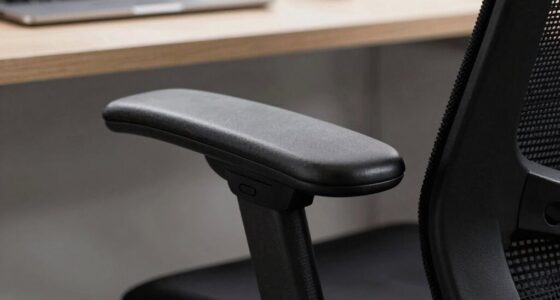
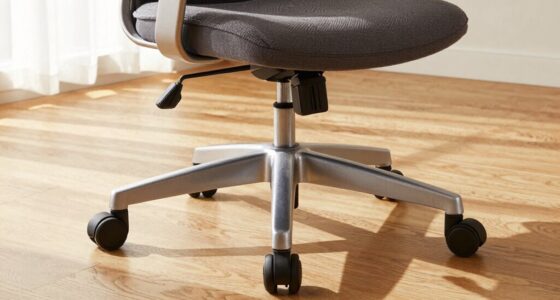
Your favorite sitting position might feel natural, but it could be subtly causing stress on your muscles and joints. For example, slouching or leaning forward puts unnecessary pressure on your lower back and neck. Over time, this can lead to chronic pain or discomfort. To combat this, you need to be intentional about how you sit. Using ergonomic accessories, like adjustable chairs, lumbar supports, and footrests, helps align your body properly and reduces strain. These tools encourage better posture by supporting natural curves and distributing weight evenly, so your muscles don’t have to work overtime to compensate. Additionally, understanding the importance of ergonomic accessories can motivate you to create a healthier workspace. Incorporating ergonomic principles into your environment promotes healthy sitting habits and reduces the risk of developing long-term issues.
Posture awareness is equally essential. It’s easy to fall into habits without realizing it—like crossing your legs or craning your neck toward your screen. But by paying attention to how you sit, you can catch and correct poor habits before they become a problem. Set reminders to check your posture regularly, and make adjustments when you notice yourself slouching or leaning too far forward. Keep your feet flat on the ground, your back straight, and shoulders relaxed. Small, conscious changes like these can prevent chronic pain and improve your overall comfort during long periods of sitting.
Furthermore, ergonomic accessories aren’t just about comfort—they’re about health. A well-designed chair with proper lumbar support encourages your spine’s natural curve, reducing the risk of back pain. An adjustable desk allows you to change positions throughout the day, preventing stiffness and promoting circulation. When your workstation is optimized for your body, you’re more likely to maintain good posture without effort. This reduces the cumulative strain on your muscles and joints, making sitting less of a health hazard.
In the end, your sitting position matters more than you might think. By becoming more aware of how you sit and investing in ergonomic accessories, you can avoid many of the problems caused by poor posture. Small adjustments and consistent posture awareness can keep you comfortable and healthy, even during long hours at your desk. Remember, good habits today lay the foundation for a healthier, pain-free tomorrow.
As an affiliate, we earn on qualifying purchases.
Frequently Asked Questions
How Can I Tell if My Sitting Posture Is Unhealthy?
You can tell if your sitting posture is unhealthy by noticing persistent aches, discomfort, or tingling in your neck, shoulders, or back. Use ergonomic accessories like adjustable chairs or lumbar supports to improve alignment. Practicing posture awareness helps you identify when you’re slouching or straining. If discomfort persists despite adjustments, consider consulting a professional. Regularly inspecting your posture guarantees you stay aligned and avoid long-term issues.
Are There Specific Chairs That Promote Better Sitting Habits?
Yes, there are chairs designed to promote better sitting habits. Look for those with ergonomic design features, such as adjustable height, lumbar support, and breathable material. These chairs encourage good posture awareness by supporting your spine’s natural curve and reducing strain. Investing in an ergonomic chair helps you maintain healthier sitting habits, preventing discomfort and long-term issues. Remember, the right chair makes it easier to stay mindful of your posture throughout the day.
How Often Should I Change My Sitting Position During the Day?
You should change your sitting position every 30 to 60 minutes to prevent strain and promote good posture. Use ergonomic accessories, like adjustable chairs and footrests, to support proper alignment. Practice posture awareness by regularly checking in with how you’re sitting, and make adjustments as needed. Moving frequently helps reduce discomfort and muscle fatigue, ensuring you stay comfortable and healthy throughout the day.
Can Sitting Incorrectly Affect My Mental Health?
Sitting incorrectly can cloud your mind like a foggy day, impacting your mental health. Poor posture strains your body and dims your mood, making it harder to focus or feel motivated. Using ergonomic accessories and practicing posture awareness act as your mental lighthouse, guiding you toward clarity. When you sit well, your mind feels lighter, sharper, and more balanced, proving that good posture isn’t just physical—it’s essential for mental well-being too.
What Simple Exercises Can I Do to Improve Sitting Posture?
To improve your sitting posture, try simple exercises like shoulder rolls, neck stretches, and seated spinal twists. Use ergonomic accessories like lumbar support cushions and adjustable chairs to promote proper alignment. Incorporate posture correction techniques by regularly checking your sitting position, keeping your feet flat, and engaging your core. These small habits help reduce strain and improve overall posture, making sitting more comfortable and supporting your long-term health.
adjustable ergonomic office chair
As an affiliate, we earn on qualifying purchases.
As an affiliate, we earn on qualifying purchases.
Conclusion
If you’re like most people, you spend hours sitting every day, often in poor positions. Did you know that studies show sitting incorrectly can increase your risk of back pain by up to 40%? By simply adjusting your sitting habits and maintaining proper posture, you can markedly reduce discomfort and prevent long-term issues. Don’t ignore your sitting habits—small changes now can lead to a healthier, pain-free future. Your back will thank you!
As an affiliate, we earn on qualifying purchases.
As an affiliate, we earn on qualifying purchases.
Halloween Picks
halloween
As an affiliate, we earn on qualifying purchases.