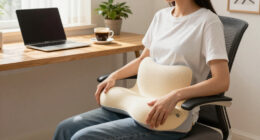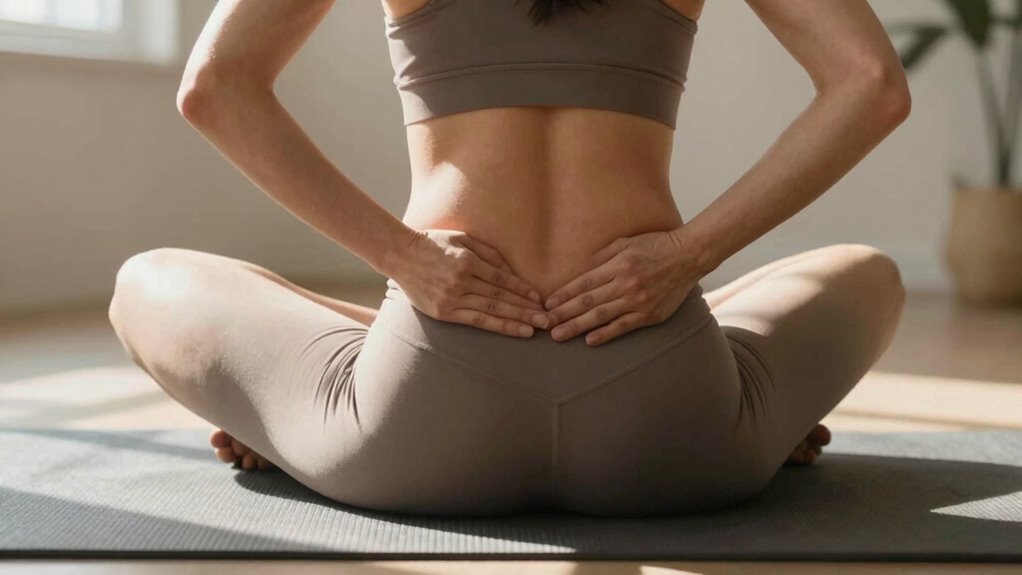

Tight hips aren’t always about stretching more because the root causes can involve joint issues, muscle imbalances, or past injuries, not just tight muscles. If you only stretch, you might temporarily loosen muscles but miss underlying problems like joint restrictions or compensatory patterns that need targeted therapy. Sometimes, your hips feel tight because of movement habits or soft tissue restrictions that require specific exercises or professional help. Keep exploring to uncover what really’s behind your tight hips.

Get comfort and recovery gear delivered free — and shop member deals
- Fast, free delivery on millions of items
- Access to Prime Big Deal Days deals on October 6–7
- Prime Video, Amazon Music and more included
Key Takeaways
- Tight hips can result from joint issues or past injuries, not just muscle tightness.
- Sedentary lifestyles cause muscle shortening and weakness, which stretching alone may not fix.
- Muscular imbalances and compensation patterns often contribute to tightness, requiring targeted strengthening and movement retraining.
- Joint or soft tissue restrictions may limit mobility, making stretching insufficient without professional therapy.
- Addressing underlying causes like joint health or soft tissue restrictions often needs medical or physical therapy intervention.
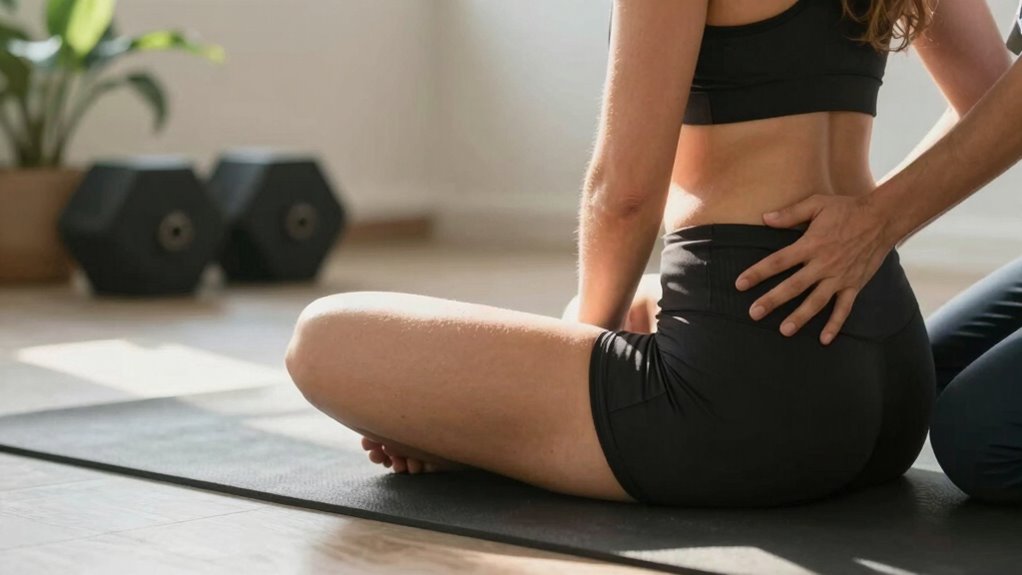
Many people assume tight hips mean they just need to stretch more, but that isn’t always the case. Sometimes, the root cause is more complex than a simple muscle tightness that can be relieved through stretching alone. For some, tight hips may stem from underlying issues like joint degeneration or previous injuries, especially if you’ve undergone a hip replacement or are considering one. If you’ve had a hip replacement, your joint’s biomechanics can change, leading to muscle tightness or discomfort that stretching won’t easily resolve. In these situations, the tightness isn’t just a matter of inflexible muscles but a sign of altered joint mechanics or compensation patterns.
A sedentary lifestyle also plays a significant role. Sitting for prolonged periods causes your hip flexors and surrounding muscles to shorten and weaken over time, which can make your hips feel tight even if you stretch regularly. When you sit most of the day, your hips remain in a flexed position, and this constant shortness can lead to discomfort or stiffness when you try to move after hours of inactivity. Stretching might provide temporary relief, but if you don’t address the underlying cause—such as increasing movement or strengthening other muscle groups—the problem can persist or worsen. Additionally, incorporating movement diversity into your routine can help improve joint function and reduce stiffness more effectively than stretching alone. Recognizing muscular imbalances can help target specific areas that need strengthening or release, rather than just focusing on flexibility. Sometimes, these imbalances stem from compensatory movement patterns, which further contribute to tightness and discomfort.
It’s important to recognize that tight hips aren’t always about flexibility. Sometimes, what feels like muscle tightness is actually joint or soft tissue restrictions that need targeted therapy or medical intervention. For example, if you’ve had a hip replacement, your doctor might recommend specific exercises or physical therapy to regain mobility rather than simply stretching. Likewise, understanding joint health can provide insights into persistent stiffness that stretching might not address directly. Addressing joint restrictions often requires a comprehensive approach that includes mobility work and possibly manual therapy. Failing to consider these factors may lead to prolonged discomfort or even further injury.
Moreover, tight hips could be a sign of compensatory movement patterns or muscular imbalances. You might notice tightness on one side, which suggests that other muscles are overworking to compensate for weakness elsewhere. Addressing these imbalances is essential; otherwise, stretching might temporarily improve flexibility but won’t correct the underlying issue. In some cases, consulting a physical therapist can help develop a detailed plan that includes strengthening, mobility work, and movement retraining, rather than just stretching.
As an affiliate, we earn on qualifying purchases.
Frequently Asked Questions
Can Strength Training Help Loosen Tight Hips?
Yes, strength training can help loosen tight hips by improving hip stabilization and muscle activation. When you target the muscles around your hips with specific exercises, you strengthen supporting muscles, which can reduce tightness and improve mobility. Engaging in activities like hip bridges or clamshells trains your muscles to work together more efficiently, ultimately helping to loosen tight hips and enhance overall movement without just relying on stretching.
How Does Posture Affect Hip Tightness?
Think of your posture as the architect of your hips’ fate. When you slouch or tilt your pelvis, it’s like a crooked foundation causing your hips to tighten and pull. Poor hip alignment and an uneven pelvic tilt can trap your hips in a constant state of tension. Adjusting your posture, strengthening core muscles, and aligning your pelvis can help free your hips from this silent grip, restoring balance and ease.
Are There Specific Foods That Influence Hip Flexibility?
Certain foods can influence your hip flexibility through nutritional interventions and dietary influences. You should include anti-inflammatory foods like fatty fish, nuts, and colorful fruits and vegetables to reduce inflammation that may cause tightness. Hydrating well by drinking plenty of water supports tissue health. Avoid processed foods and excess sugar, which can worsen inflammation. A balanced diet rich in nutrients helps maintain healthy muscles and joints, ultimately improving hip mobility.
What Role Does Hydration Play in Hip Mobility?
Hydration plays a key role in your hip mobility by maintaining hydration balance and ensuring your muscles stay supple. When you don’t drink enough fluid intake, your muscles and connective tissues can become stiff and less responsive, limiting movement. Staying well-hydrated helps your tissues stay elastic and reduces the risk of tightness. Make hydration a regular part of your routine to support ideal hip function and flexibility.
How Long Does It Take to See Improvement Without Stretching?
You might see improvements in hip mobility within two to four weeks, even without stretching, if you incorporate foam rolling regularly. Studies show foam rolling can increase range of motion by up to 20% after just a few sessions. Consistency is key—you’ll notice less tightness and better movement as you target your hips with foam rolling, improving blood flow and releasing muscle tension, even without traditional stretching.
hip joint soft tissue mobilization tools
As an affiliate, we earn on qualifying purchases.
As an affiliate, we earn on qualifying purchases.
Conclusion
Remember, tight hips aren’t just a stubborn knot you need to stretch out. Sometimes, they’re like a fortress built from tension, habits, or imbalances that need releasing from the inside out. Instead of focusing solely on stretching, think of your hips as a garden—you need to nurture it with movement, strength, and awareness. When you tend to these areas, your hips can finally loosen up, freeing you to move more freely and comfortably.
hip strengthening resistance bands
As an affiliate, we earn on qualifying purchases.
As an affiliate, we earn on qualifying purchases.
As an affiliate, we earn on qualifying purchases.
Fall Picks
fall essentials
As an affiliate, we earn on qualifying purchases.